


BJJ Gi Patches: Plan Academy Logos Before Anything Is Sewn

A Gi patch looks like a small addition, but it affects several decisions at once: where the logo sits, whether the academy wants it there, how it is attached and whether the finished Gi suits the event you intend to enter. Plan those details before a patch becomes a permanent part of the garment.
This guide is about preparing and approving a patch request. It does not reproduce an official competition placement map or certify a Gi. For an event, use the organiser's current diagram and rules directly. The aim is to arrive at the sewing stage with a clear brief, suitable artwork and fewer unresolved questions.
Decide where the Gi will be used
Start with the academy and the training or competition setting. Ask whether a particular academy patch is required, optional or restricted, and whether the instructor has placement expectations. Explain if the same Gi will also be used at competitions, seminars or other academies.
Training permission and event acceptance are separate matters. A patch your academy likes may still need a competition check. Equally, a region shown in a competition diagram does not override your academy's own uniform expectations. Keep both decisions in the brief.
If you do not yet know which event the Gi will be used for, avoid promising yourself that a proposed layout will be accepted everywhere. You can gather the artwork and garment details first, then confirm placement when the intended use is clear.
If the base Gi still has a sizing question, use the BJJ Gi between-sizes checklist before marking patch positions. A permanent addition should follow a settled fit decision.
Check the current organiser diagram directly
For an IBJJF event, the official uniform page says patches belong only in authorised regions and should be cotton and properly seamed. It also states that inspectors remove patches that are unseamed or in unauthorised regions. Consult the current linked rules and diagrams when deciding the actual placement.
Do not rely on a cropped social-media image, a remembered diagram or this article's editorial graphics as a placement template. A visual that omits part of the Gi can be easy to misread. Use the official document at a readable size and identify which version you are checking.
If the proposed position is close to a boundary or the design is unusual, ask the organiser rather than extending the diagram by assumption. Record the answer with the proof. A manufacturer's ability to sew a patch in a position is not the same as permission to wear it at an event.
Different organisers can use different requirements. Recheck when you change events instead of treating a previous inspection as permanent approval of every future use.
Start with artwork the academy can authorise
Ask for the academy's approved logo file and confirm permission to use it on the Gi. Avoid tracing an image from a website or taking a sponsor mark from a search result without permission. A clean source file also makes it easier to preserve the correct spelling and proportions.
State whether you want a sewn patch, embroidery or another customisation method. These are different production requests. A quote or proof for one should not be assumed to cover another. If you are unsure which route suits the garment and intended use, ask the supplier to explain the available options.
Keep the logo's visual reference separate from any layout notes. A low-resolution photograph can communicate the general arrangement, but it may not contain enough detail to reproduce the actual mark accurately. Let the supplier identify any missing artwork before a production file is approved.
If a logo needs simplification for the selected method, send the proposed revision back to the academy for approval. Do not quietly remove a word, alter a symbol or change proportions because the smaller version is easier to produce.

Make the placement proof unambiguous
Ask for front and back views that show the proposed position on the actual garment type. Label the wearer's left and right where those directions matter. A close-up without the surrounding panel can hide which seam or edge the patch is intended to sit beside.
Confirm the patch dimensions and how the placement will be described to the person attaching it. Do not invent a universal distance from a collar or sleeve: the garment, patch and organiser requirements need to be considered together. Ask for a clear measurement reference within the approved area.
Consider existing branding, seams and the belt position in the overall view. A patch that appears isolated in a digital mock-up may compete with another mark or sit differently when the Gi is worn. The proof should help you understand the finished arrangement, not merely show the logo enlarged on a blank background.
Mark unresolved points as questions. Approving a file while assuming the supplier will fix an unspecified placement issue makes the record less useful to everyone involved.

Confirm the attachment method before work begins
Ask the supplier or repairer how the patch will be attached and whether the method suits the Gi and intended use. For competition, include the relevant organiser requirements in that discussion. Do not assume a craft adhesive or iron-on backing can replace the required attachment method.
Check the care instructions for the finished combination. If the patch and Gi have different restrictions, ask how the item should be cared for once they are joined. The ACCC care-labelling guide is useful for understanding care information, but the specific directions need to come from the item and supplier.
The infographic below gives five planning checkpoints: intended use, current rules, authorised artwork, placement proof and final inspection. It does not show legal placement zones. That distinction matters because a planning diagram should never be mistaken for an official rule illustration.
If you are modifying an existing Gi, ask whether the proposed work could affect the garment or its future use. Make that decision before sewing begins, when the choice remains easier to revise.

Inspect the finished Gi as a whole
When the work is complete, compare it with the approved proof. Check spelling, logo orientation, position and the visible attachment. Look for loose edges or unfinished stitching and ask for any issue to be assessed before training in the Gi. Do not pull aggressively on the patch to simulate a durability test.
Put the Gi on for a comfortable movement check. Check that the addition has not created an obvious irritation or obstruction. This is a practical clothing check; it does not replace inspection by an event official or establish that the patch will withstand every training situation.
Save clear photos of the finished placement and retain the source artwork and approval record. If the Gi later needs repair or the academy updates its logo, those records make the next conversation easier. A removal request also needs assessment; do not assume taking a patch off will leave the garment unchanged.
Keep ordinary fit checks separate. If the Gi itself is the wrong size or no longer suitable, adding a patch does not resolve that. The standard BJJ Gi guide covers the underlying uniform choice.
Choose a suitable base before adding identity
The Combatra routes below include standard white and black Gis and a personalised Gi option. Start with the type of garment you need, then ask which customisation route is offered for that exact product. These listings are not a promise that a patch service, particular placement or competition approval is included.
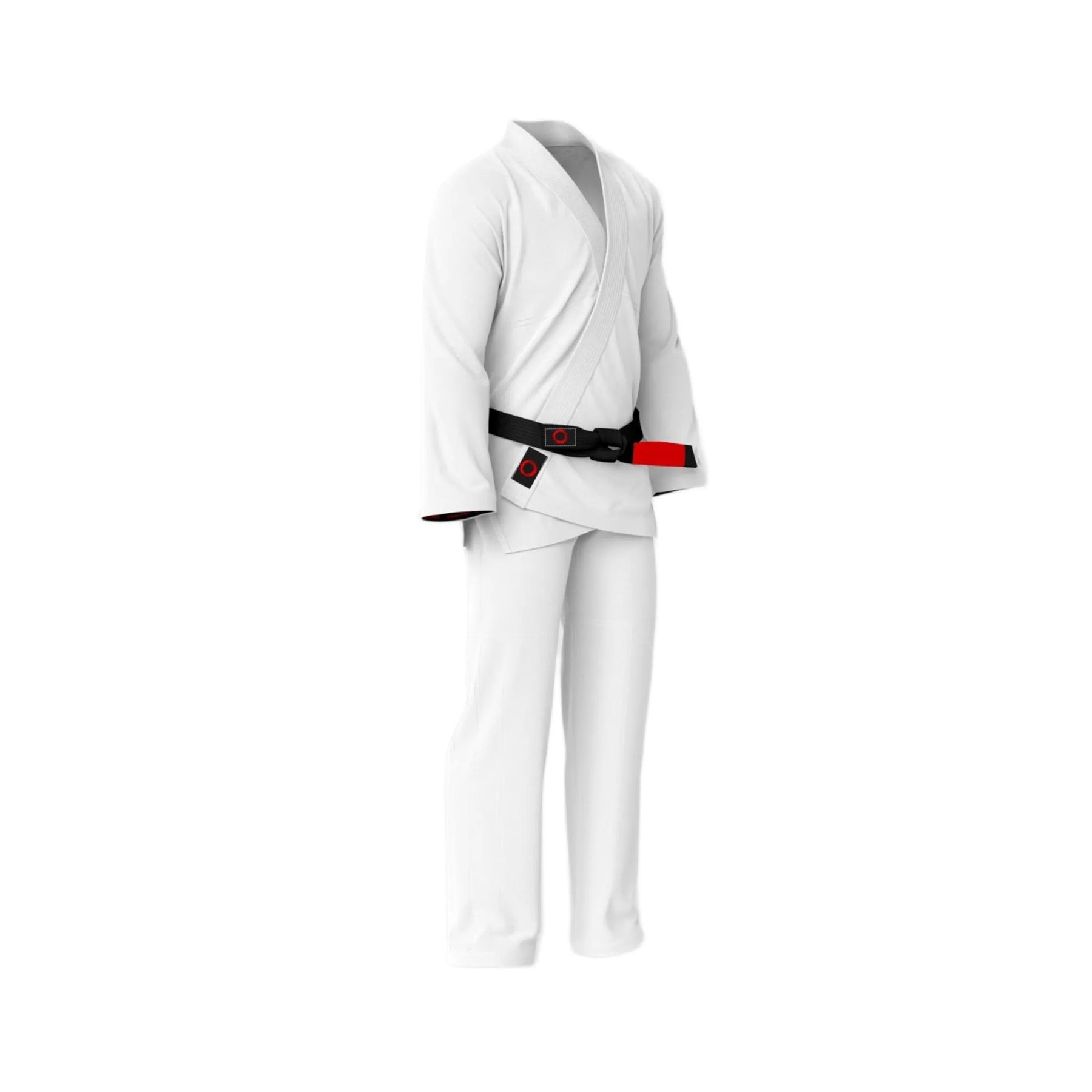
White Standard BJJ Gi | Combatra
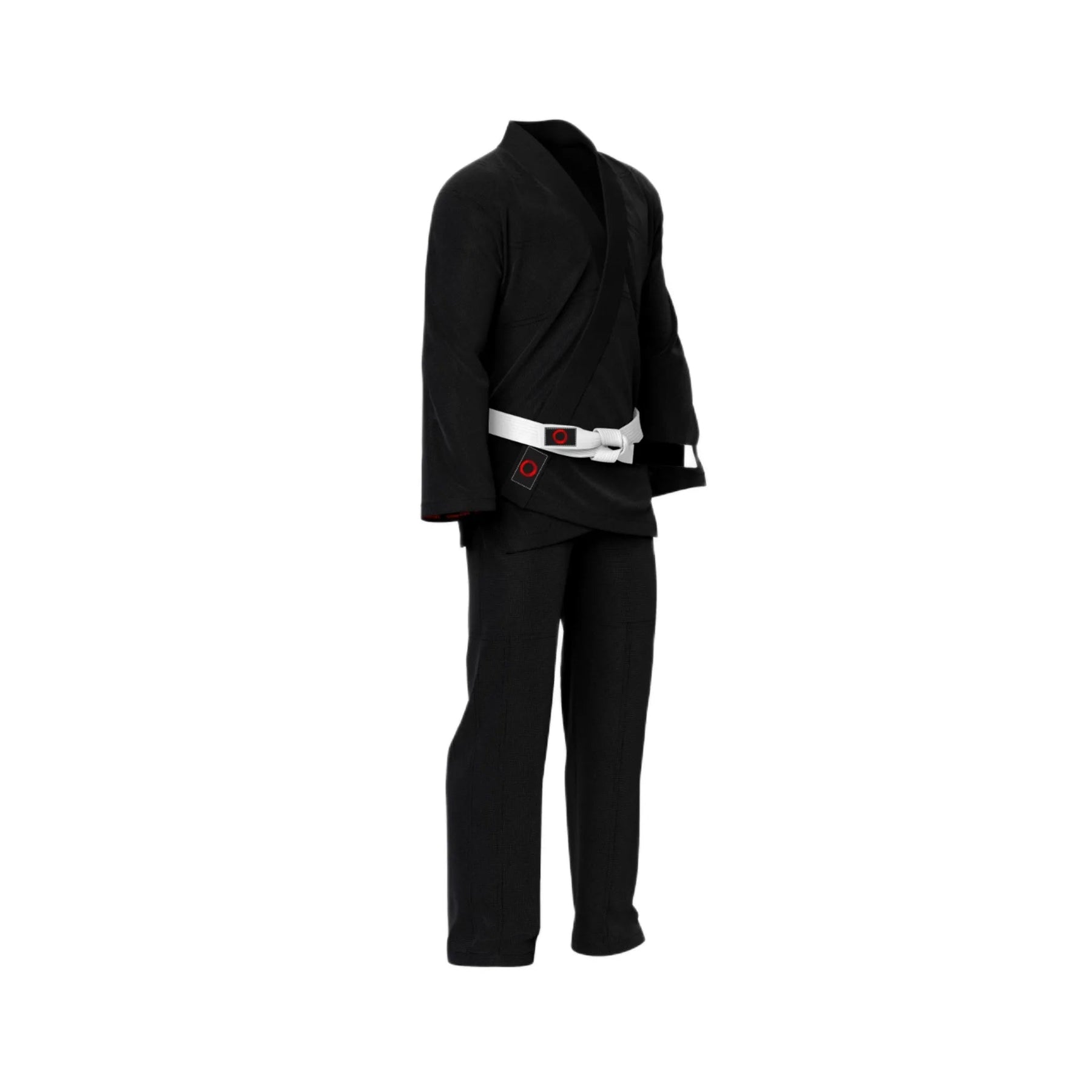
Plain Black Standard BJJ Gi | Combatra
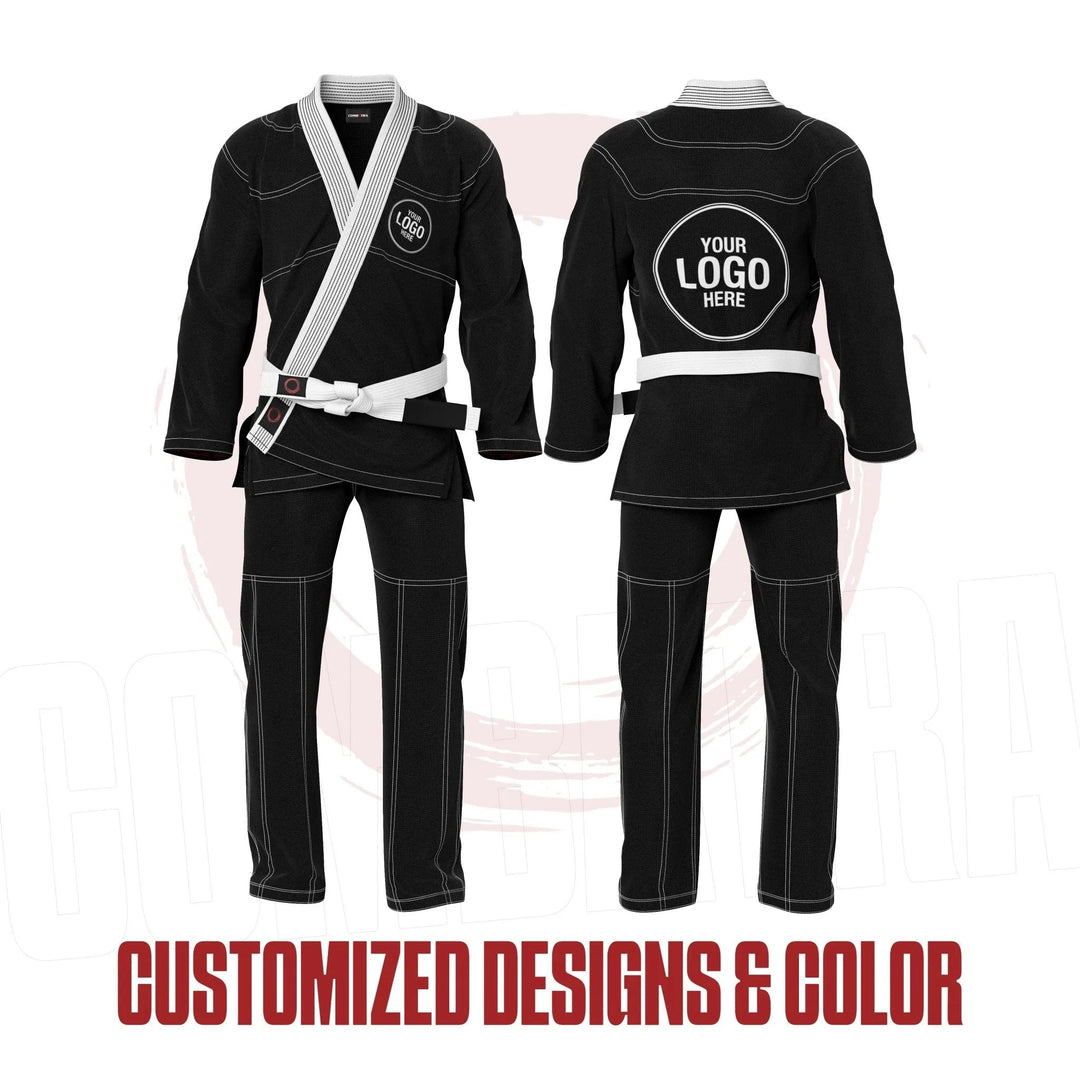
Design Your Own Personalised BJJ Gi | Combatra
If you already own a suitable Gi, a carefully planned addition may be all you need. If the garment needs replacement for a separate reason, resolve its fit, colour and intended use before finalising the artwork. Keep the same order of decisions for both routes: suitable Gi, authorised design, confirmed placement, then production.
An academy logo should make the finished uniform easier to identify. A clear approval process helps ensure that identity is added without leaving the practical questions until the day of training or competition.

Frequently asked questions
Can I put a patch anywhere on a training Gi?
Ask your academy first and consider whether the Gi will also be used at events. Training permission does not establish competition acceptance. Confirm the intended use before choosing a permanent position.
Does this article show the official legal patch zones?
No. Use the current organiser's diagram directly. The images here illustrate planning and proofing, so they should not be used as a garment placement template or equipment certification.
Is an iron-on patch enough for IBJJF competition?
Do not assume so. The official uniform guidance requires patches to be properly seamed in authorised regions. Confirm the current rules and attachment method before the work is done.
Can I use an academy logo from its website?
Ask the academy for permission and an approved artwork file. A website image may be too small or may not be the version intended for uniforms. Approval also avoids an accidental change to the academy's identity.
Should the patch be approved before or after sewing?
Approve the artwork, dimensions and placement before sewing. Inspect the completed work afterwards as a separate step. A final inspection is useful, but it cannot make an unclear original brief more precise.
Will a previously accepted Gi pass every future event?
Do not assume that. Recheck the current organiser requirements and the garment's condition. Rules, intended use and the physical item can change between appearances.