


BJJ Open-Mat Packing: A Practical Kit Guide for Visiting Another Academy

An open mat at another academy needs a little more preparation than your usual class. You may know exactly what you wear at home, but the host can have different session formats, uniform expectations or facilities. Pack around the confirmed visit, including the journey home, rather than bringing every piece of equipment you own.
The useful plan has three parts: a suitable training set, clean personal items for after the session and a separate place for used kit. This guide is for an ordinary academy visit in Australia. Competition registration, weigh-in requirements and tournament equipment belong to a different checklist.
Confirm the session before packing the uniform
Ask the host whether the session is Gi, no-Gi or mixed, whether visitors need to book and what uniform expectations apply. Confirm the date, start time and location from the academy's current information. A saved social-media post can describe a previous session rather than the one you intend to attend.
Check any practical questions that affect your bag: changing facilities, shower access, where footwear is left and whether there is space for a spare set. Keep the answers together so you do not have to search through messages outside the door. If a booking or fee is required, complete it through the academy's stated process.
Do not assume “open mat” means any clothing or equipment is accepted. The host's rules determine the visit. A familiar training outfit is useful only when it fits that session and is in suitable condition. If the answer is unclear, ask one specific question before travelling.
Choose one complete set for the confirmed format
For a Gi session, pack the matching jacket and pants you intend to use, the correct belt and any layers permitted by the academy. Check both pieces, rather than recognising the jacket and assuming the pants in the bag belong to the same set. Confirm the drawstring and other required parts are present.
For no-Gi, choose the rashguard and bottoms you normally train in, subject to the host's rules. Check coverage and movement with the complete combination. A top that works with one pair of shorts can sit differently with another waistband. Avoid making the visit the first test of a new outfit you have never moved in.
If the session is mixed, ask whether both formats will actually be used and pack accordingly. Do not buy extra kit solely because the invitation mentions two formats. Your existing suitable set may cover the part of the session you plan to attend.
For separating training kit from travel clothing and a dry change, use the BJJ training, travel and dry-layer packing guide. Confirm the host academy's Gi or no-Gi clothing requirements separately before packing.

Check the set before it goes into the bag
Lay out the chosen clothing when it is clean and fully dry. Look at seams, closures and the areas that take regular strain. Do a comfortable movement check before packing. If something catches, opens or needs constant adjustment, resolve it before relying on the garment away from home.
Make sure personal items such as a mouthguard, if you use one, are clean and packed in their own suitable container. Check the host's policy for protective equipment rather than assuming every item you use elsewhere is permitted. Bring your own towel and other personal items rather than planning to borrow them.
Keep the packing check practical. The aim is to arrive with a complete, usable set, not to perform a laboratory test of every garment. Where an item is damaged or its condition is uncertain, choose another suitable option. A cosmetic change does not automatically mean replacement, but an unresolved functional issue should not be ignored.
If you are choosing new no-Gi bottoms, the MMA shorts movement guide can help you compare the cut before the visit.
Separate clean, personal and used items
Give clean after-training clothes their own space. Pack a container or compartment for the kit you will use on the mat, and keep shoes away from clean garments. The exact bag system can be simple: the important part is knowing where each item goes before and after the session.
A separate pouch for used clothing is a transport aid, not a cleaning method. Empty it when you get home and wash or clean it according to its instructions. Do not leave damp training clothes enclosed until the next class and expect the separation alone to solve the care problem.
The CDC's athlete guidance advises against sharing personal items such as towels and clothing. That supports packing your own essentials. It does not mean a particular bag or rashguard guarantees protection from infection.
Put small items where you can retrieve them without emptying used clothing onto a bench. Your phone, keys and booking details should not need to share the same pocket as a wet towel. A simple separation plan is easier to repeat after a tiring session.

Pack for the journey as well as the mat
Choose an ordinary travel layer for the trip to and from the academy. Australian spring conditions vary by place and time of day, so check the actual forecast when preparing for your visit. A cooler departure and a warmer return do not necessarily require two complete changes of training clothing.
If you are travelling by public transport or sharing a car, clean clothes for the journey home can be particularly useful. Pack according to the facilities the host actually offers. A towel and a change of clothes do not create shower access where none exists, and a plan that depends on unconfirmed facilities can fail after the session.
For an interstate visit, confirm your transport provider's current baggage limits and any rules affecting what you carry. This guide does not set airline allowances or recommend putting essential items into a particular baggage category. Build the packing list around the journey you have booked.
The infographic below keeps the sequence short: confirm the host, choose the format, check the kit, separate the return load and unpack promptly. It is an organisation aid, not a universal academy policy.

Decide whether a spare solves a likely problem
A spare rashguard or pair of shorts can be useful for a long visit, a second session or a known laundry gap. Choose it because you can name the need, rather than adding items until the bag is full. A complete backup may be more helpful than several extra pieces that do not form a usable outfit.
For a short local visit with one confirmed session, your regular suitable set may be enough. For two sessions, plan clean kit for each and work out the washing arrangements in advance. Do not assume a hotel room or a friend's laundry will make used gear ready on the timetable you need.
The Combatra product routes below cover a standard Gi, a rashguard and MMA shorts. They are examples of the different format needs, not a recommendation that every visitor should buy all three. Check the exact listing, size options and host requirements before choosing.
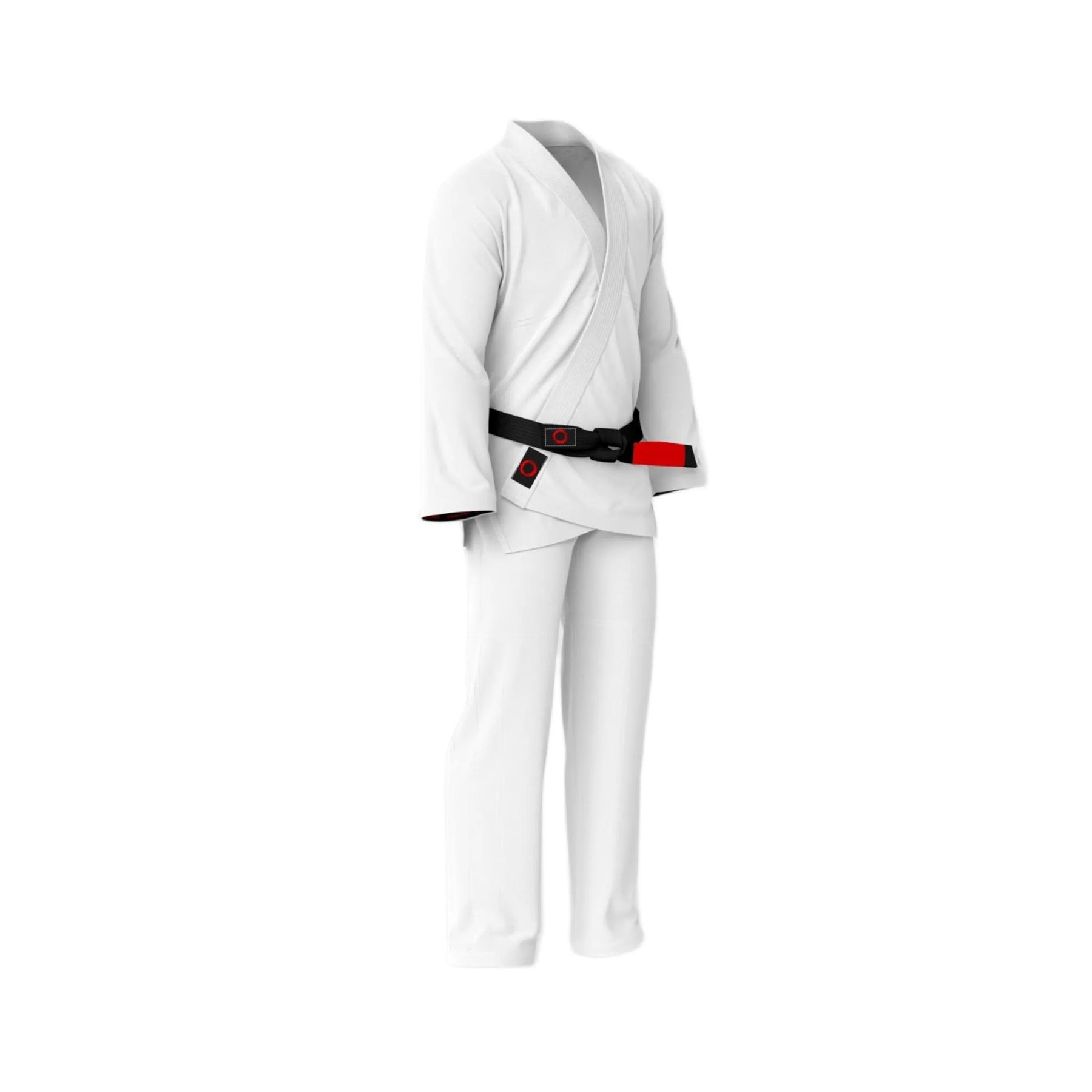
White Standard BJJ Gi | Combatra
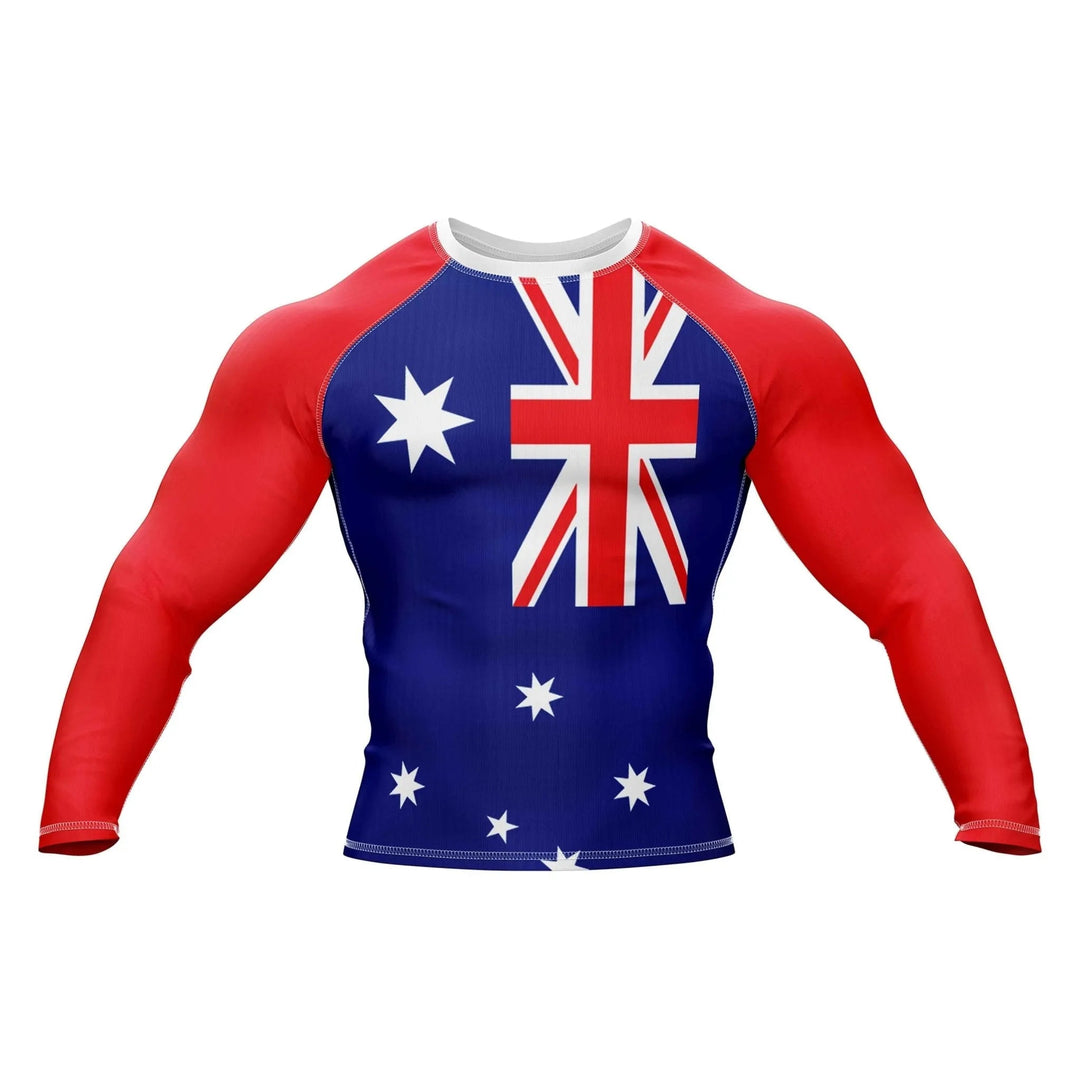
Australia Flag BJJ Rashguard – UPF 50+ | Combatra
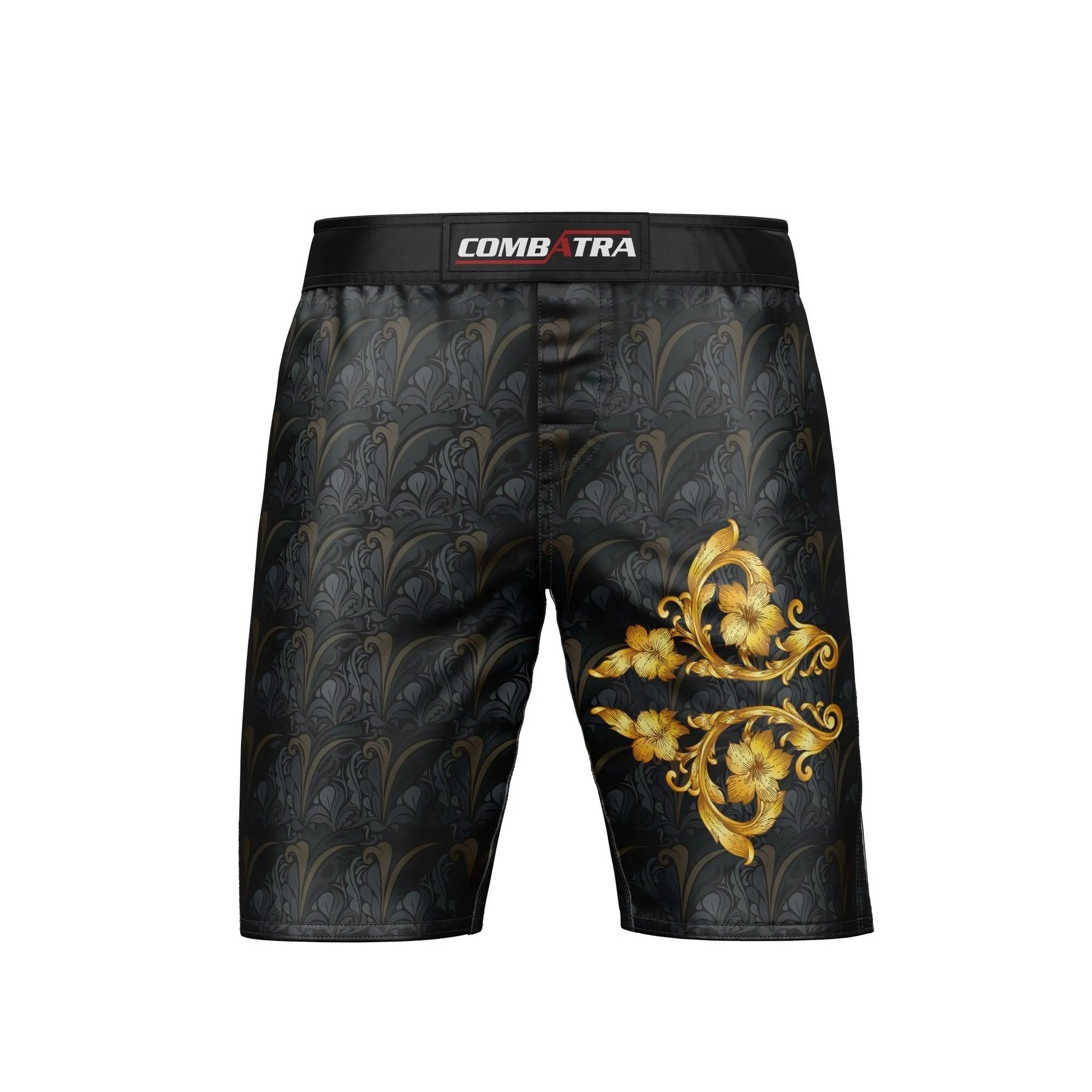
Golden Black Armor MMA Shorts | Combatra
Keep purchases tied to a real gap. If the missing item is a correctly fitting pair of shorts, buying another top does not make the visit better prepared. Write the shortfall down, then compare the relevant product rather than browsing without a purpose.
Finish the visit by resetting the bag
At home, remove used clothing and personal items before putting the bag away. Start the garment care routine and clean containers according to their instructions. Return keys, small items and booking information to their normal place so the next trip does not begin with a search.
Make one short note about the host's practical expectations if you plan to return, while recognising that the session schedule and policies can change. Useful notes include which format you attended and which items you actually used. They should not become a substitute for confirming the next visit.
A well-packed open-mat bag is one you understand at both ends of the day. The successful outcome is suitable kit, a straightforward change afterwards and a complete unpacking routine once you are home.

Frequently asked questions
Should I bring both Gi and no-Gi gear?
Ask the host which format the session uses and whether you plan to participate in both. Pack both sets only when they serve the confirmed visit, rather than assuming every open mat switches formats.
Do all academies allow visiting athletes?
Do not assume so. Check the host's current visitor process, booking requirements and any eligibility expectations before travelling. An open-mat label alone does not confirm that you can arrive without notice.
Is a spare rashguard essential?
It depends on the number of sessions and your backup needs. For one local session, your clean regular top may be sufficient. For multiple sessions, arrange suitable clean kit rather than relying on airing used clothing.
Can I wear my training kit home?
Plan clean clothing for after the session where practical and follow the host's facilities and rules. Consider how you will separate used kit during the return journey, particularly on shared or public transport.
Do I need competition-approved equipment for an open mat?
The academy sets its session requirements. Confirm them directly. If you are attending an organised competition instead, use its current equipment rules and registration information; that is a different situation.
What is the easiest packing mistake to prevent?
Packing an incomplete set. Lay out the actual top, bottoms, belt where needed and personal items before putting them away. That quick check catches mismatched or missing pieces more reliably than recognising the outside of your bag.