


Custom Martial Arts Teamwear Reorders: Keep the Next Batch Consistent

Your academy's first custom order is complete, but the team keeps changing. A new student joins, another athlete needs a different size, and a coach asks for a replacement top. A reorder works best when it starts with the approved details of the original batch and a clear list of what is changing.
“Same as last time” is useful context, but it is not a complete specification. The previous artwork may have several versions, the size choice may be different, or a garment option may no longer be offered. Use this guide to prepare a repeat order for an Australian BJJ academy, MMA team or martial arts club without rebuilding the entire design brief.
Find the record that identifies the original batch
Start with the earlier order reference, garment name and approved artwork file. Add the date of approval and the name of the person who approved it. If the team has separate Gi, rashguard and shorts designs, identify the relevant item explicitly. A photograph of a student wearing the kit can explain the request, but it should not replace the original artwork and specifications.
Keep the record in one shared location the order coordinator can access. Name files so the approved version is clear. “Academy rashguard, approved front and back, version three” is more helpful than a folder containing several files called “final”. Preserve the old record when starting a new version so you can see what changed.
If the original approval cannot be found, tell the supplier. Ask which files and garment specifications can be recovered and what needs fresh confirmation. Do not reconstruct small logos, names or colours from a low-resolution social-media image and assume that the result matches the original order.
Separate unchanged details from the new request
Write down what should remain the same: garment model, sleeve choice, base design, logo positions and the agreed colour references. Then list changes separately, such as quantity, names, sizes or a new sponsor. This prevents a small update from quietly becoming a redesign.
Use one row per garment variant and personalisation combination. Two athletes ordering the same size but different printed names need separate entries. Conversely, six identical unpersonalised tops can share a quantity row if the supplier's ordering process supports it. Ask how the supplier wants the information formatted before sending a large roster.
Mark changed items visibly in the written brief, while keeping the production artwork itself clean. For example, a note can say that the back name changes and the front design remains as previously approved. Avoid adding explanatory arrows or comments to a file that could accidentally be treated as print-ready artwork.

Reconfirm sizes with the people receiving the kit
A previous size is a starting point, not automatic consent for a repeat order. Ask each athlete to confirm the current garment choice and size. This matters for growing junior students, changing sleeve preferences and anyone moving between different product cuts. Do not convert a Gi size into a rashguard or shorts size.
Use the current size guidance for the exact product. Where measurements are requested, state which measurement is needed and whether it is a body measurement or a garment measurement. Ambiguous numbers create extra work: a bare “52” tells the supplier neither the unit nor what was measured.
Give the roster one owner and a clear confirmation deadline. Allow corrections before approval, then keep a record of the version sent. A late size change should generate an explicit revision and acknowledgement. It should not be left in a separate chat message that the person preparing the order may never see.
For a fresh example of a reviewable team order, use the custom MMA shorts team-design brief. Its wearer list, current measurements and named approver are useful checks when rebuilding a reorder record.
Ask what can actually be repeated
Request confirmation that the previous garment and customisation route are still available. Ask whether the fabric, cut, print process or available options have changed since the earlier batch. The existence of an old order does not establish current minimum quantities, pricing, turnaround or the availability of a particular size.
If matching matters, explain which aspects matter most. A replacement for one member of a demonstration team may need closer visual consistency than a fresh training batch for new students. Ask what sample or proof can support the decision and whether it adds time or cost. Do not assume a physical sample is included.
Keep colour expectations realistic and explicit. An older garment that has been worn and washed is not the same reference as its original approved artwork. Where a close match is essential, agree a suitable physical or documented reference with the supplier and ask how the new result will be assessed. Do not promise the team an exact match before that discussion.

Approve one complete reorder package
Bring the roster, garment specification and artwork into one approval package. Check the front and back separately. Confirm the spelling of every name, the garment size beside it, the sleeve option and the quantity total. Count garments as well as people: one athlete may be ordering more than one item.
Make the final approval identify a particular version. If anything changes afterwards, ask for the revised version to be acknowledged before production. This is especially useful when several coaches are involved; one clear approver prevents conflicting instructions from being treated as equally final.
The infographic below shows the five checkpoints: recover the original record, mark the changes, confirm the roster, approve the current specification and reconcile the delivered batch. It is a suggested coordination process, not a statement of Combatra's production terms. Confirm the actual ordering and approval process when requesting your quote.

Plan timing around confirmed commitments
State the date the kit is needed and explain whether it is for a fixed event or routine training. Ask for the current production estimate, dispatch plan and delivery assumptions. Treat production time and arrival time as separate questions, especially when an event requires the complete batch to be in your hands together.
Avoid collecting expectations around an unconfirmed promise. If the requested deadline cannot be met, compare practical alternatives: a later reorder window, a smaller confirmed requirement, or a suitable existing design for interim training. An alternative is only useful if its sizes, availability and timing are also confirmed.
A club may choose to collect requests into periodic batches, but the right interval depends on its actual demand and supplier terms. Do not buy a large reserve simply because it feels organised. Record which sizes are repeatedly requested and decide whether a modest spare allocation is justified by that pattern.
For a team adding another garment type, the custom BJJ pants and spats design-brief guide shows how to keep fit inputs, artwork zones and the final approver together. Confirm the current supplier timing separately for the actual reorder.
Close the loop when the batch arrives
Compare the delivery with the approved roster before distributing it. Count each size and variant, check personalised names and inspect the visible artwork. Keep the packaging and order details available while any discrepancy is being resolved. A documented issue is easier to explain than a general statement that the order looks different.
Record the outcome and keep the latest approved specification with the original reference. That creates a useful starting point for the next request. Do not overwrite the previous batch record; the history can explain which version a particular athlete received.
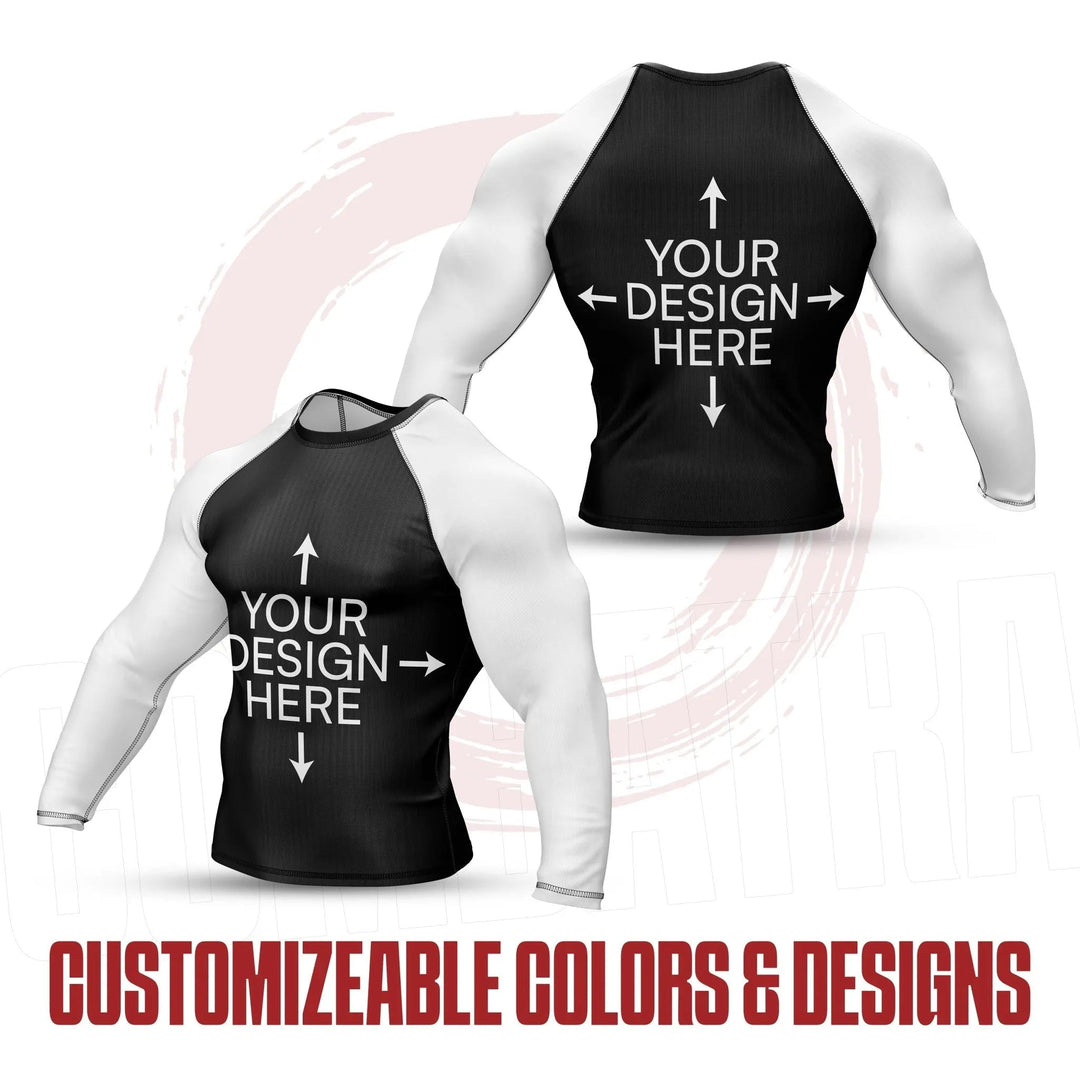
Design Your Own BJJ Rashguard – UPF 50+ | Combatra
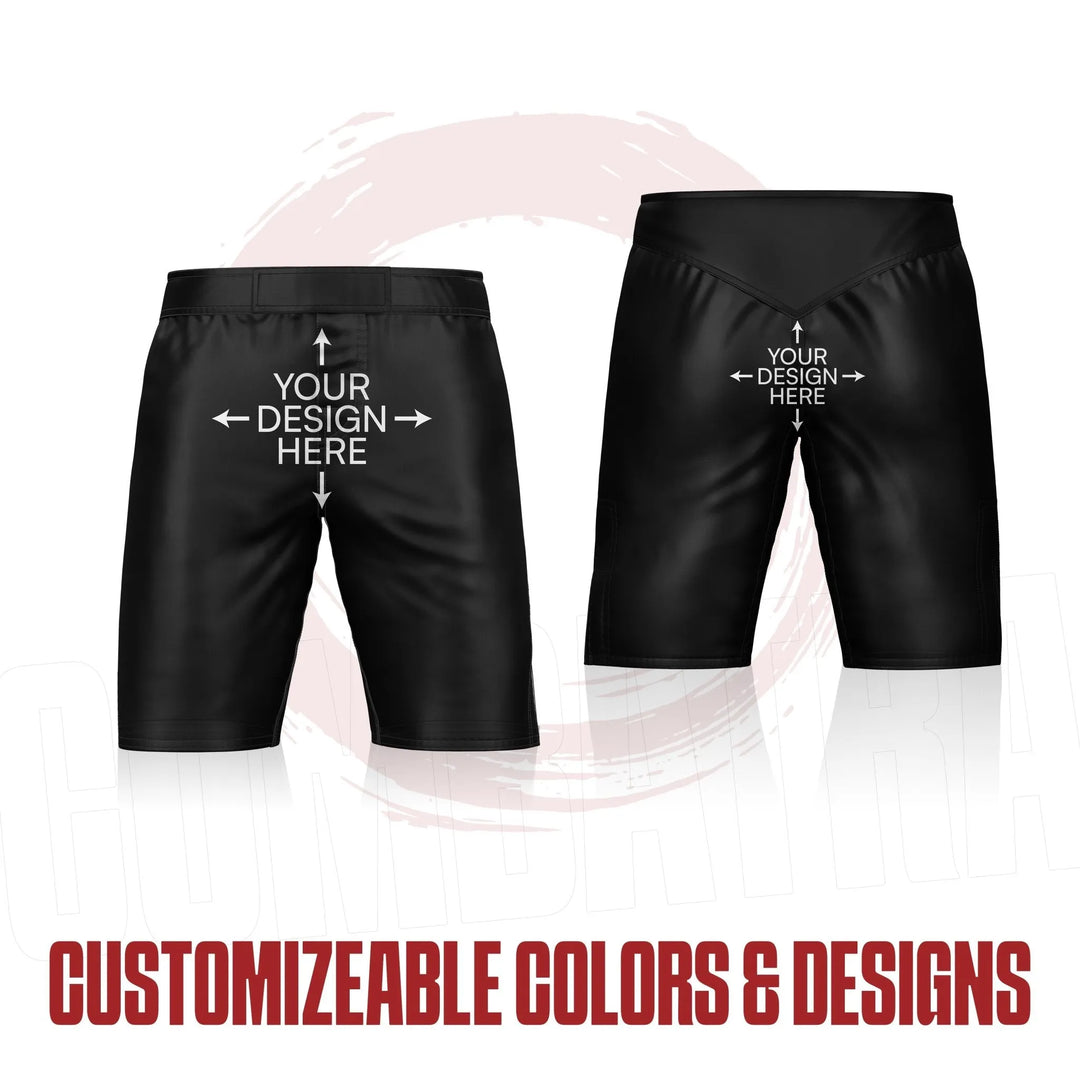
Custom MMA Shorts | Combatra
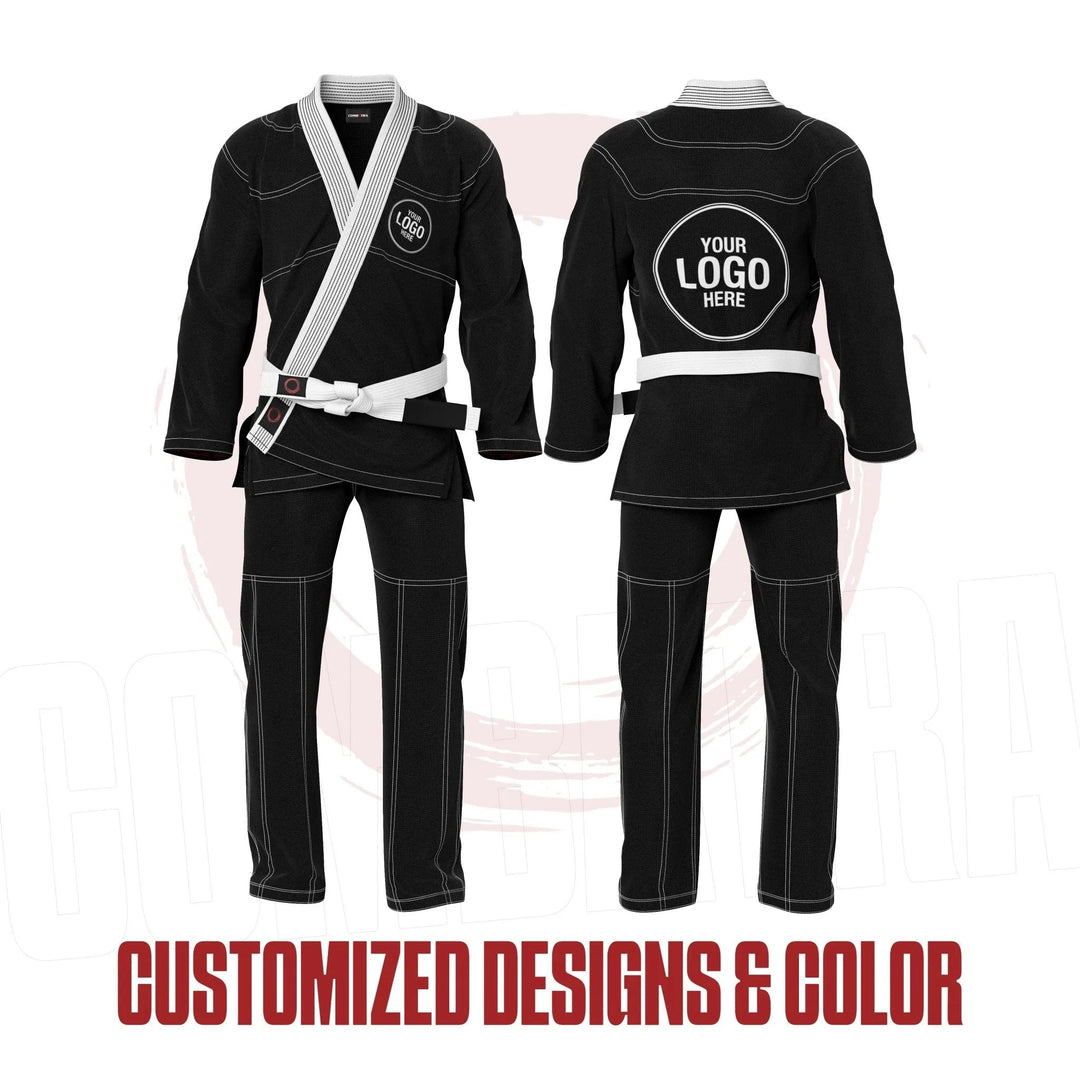
Design Your Own Personalised BJJ Gi | Combatra
Combatra's custom rashguard, MMA shorts and personalised Gi listings are starting points for a discussion about the current product route. Ask which one corresponds to your original order before treating it as a repeat specification. The goal is a reorder that the club, athlete and supplier can all identify clearly.

Frequently asked questions
Can we reorder one item from an earlier team batch?
Ask for the current minimum quantity and whether the previous design and garment remain available. An earlier bulk order does not establish that a single-item reorder is offered on the same terms.
Is an old team photo enough to recreate the design?
Use it as a visual reference, then locate the approved artwork and order details. Small lettering, dimensions and colour references may be unclear in a photograph, especially after compression or cropping.
Should returning athletes keep the same size?
Ask them to confirm it against the current product guidance. A previous size can help the conversation, but a changed cut, growing athlete or different sleeve option may need a fresh check.
Can a new sponsor be added during a reorder?
Treat that as an artwork change and request a revised proof. Confirm permission to use the logo, its intended placement and whether any competition or academy restrictions apply before approval.
How do we handle a late name correction?
Tell the order coordinator immediately and ask the supplier whether production can still be changed. Obtain acknowledgement of the revised version. Do not assume an unacknowledged message has updated the production file.
What should we save for next time?
Keep the order reference, approved artwork version, garment specification, final roster and any confirmed changes. Add the delivery reconciliation so the next coordinator can distinguish what was requested from what was actually received.