


Yes, compression arm sleeves do help during cold weather training. They maintain local skin temperature, reduce cold-induced muscle performance losses, and support circulation without meaningfully altering your core body temperature. For Australian outdoor athletes dealing with variable winter conditions, from pre-dawn trail runs to cold morning mat sessions, they offer practical, science-backed benefits that go well beyond simple warmth.
Here is what the research shows they actually do:
- Maintain skin temperature at the coverage site, warming up faster than loose garments during warm-ups and holding that warmth throughout exercise, as confirmed by compression garment research
- Reduce muscle performance loss caused by cold exposure, with studies showing that compression garments significantly reduce the drop in jump height after 40 minutes at 0 °C, preserving muscle performance compared to control clothing
- Improve thermal sensation, making you feel warmer even when core temperature stays stable, which helps you train with more confidence in the cold
- Reduce muscle oscillation, which lowers fatigue and supports proprioception during high-impact or endurance activity
- Enable flexible layering without requiring a full clothing change as your body warms up
- Offer UPF 50+ sun protection during outdoor daylight sessions, relevant even in Australian winter when UV levels remain elevated
They are not a replacement for a proper layering system. Think of them as a targeted, adaptable tool that works alongside your base layer and outer shell to keep your arms performing well across changing conditions.
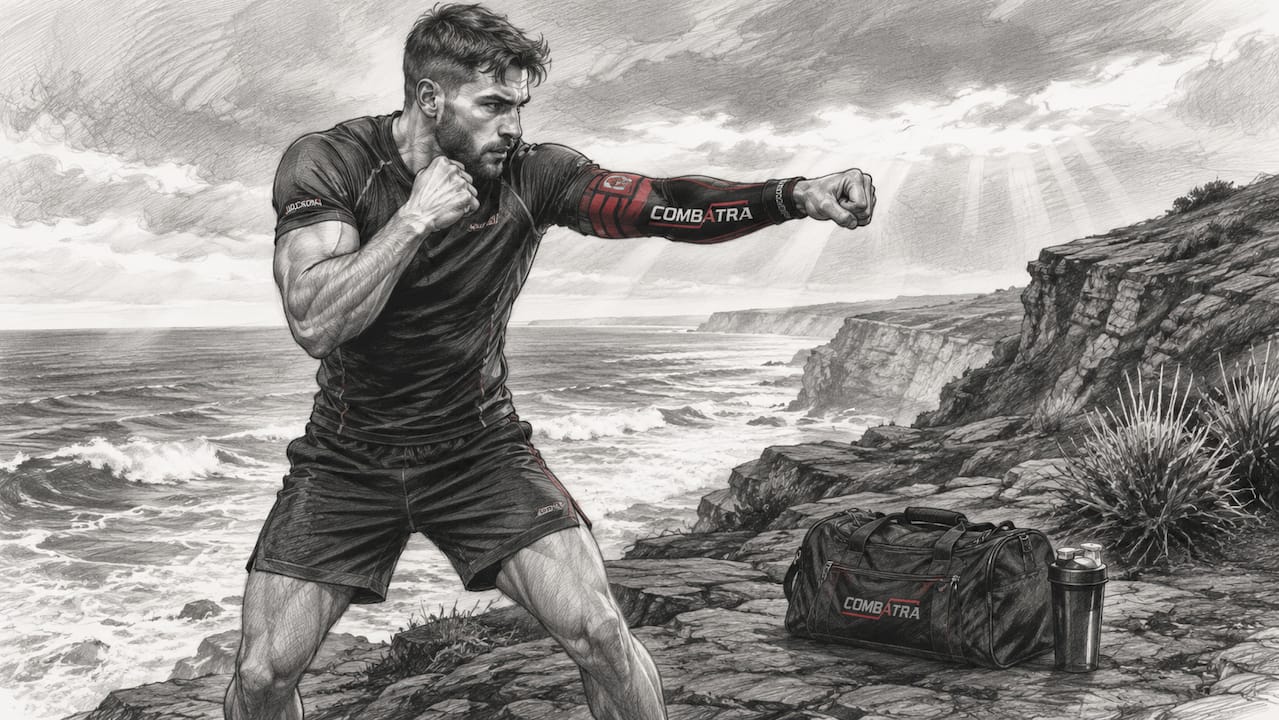
What performance benefits do compression arm sleeves offer beyond warmth?
Warmth is the obvious draw in cold conditions, but compression arm sleeves deliver a broader set of performance advantages that matter whether the temperature is 5 °C or 15 °C.
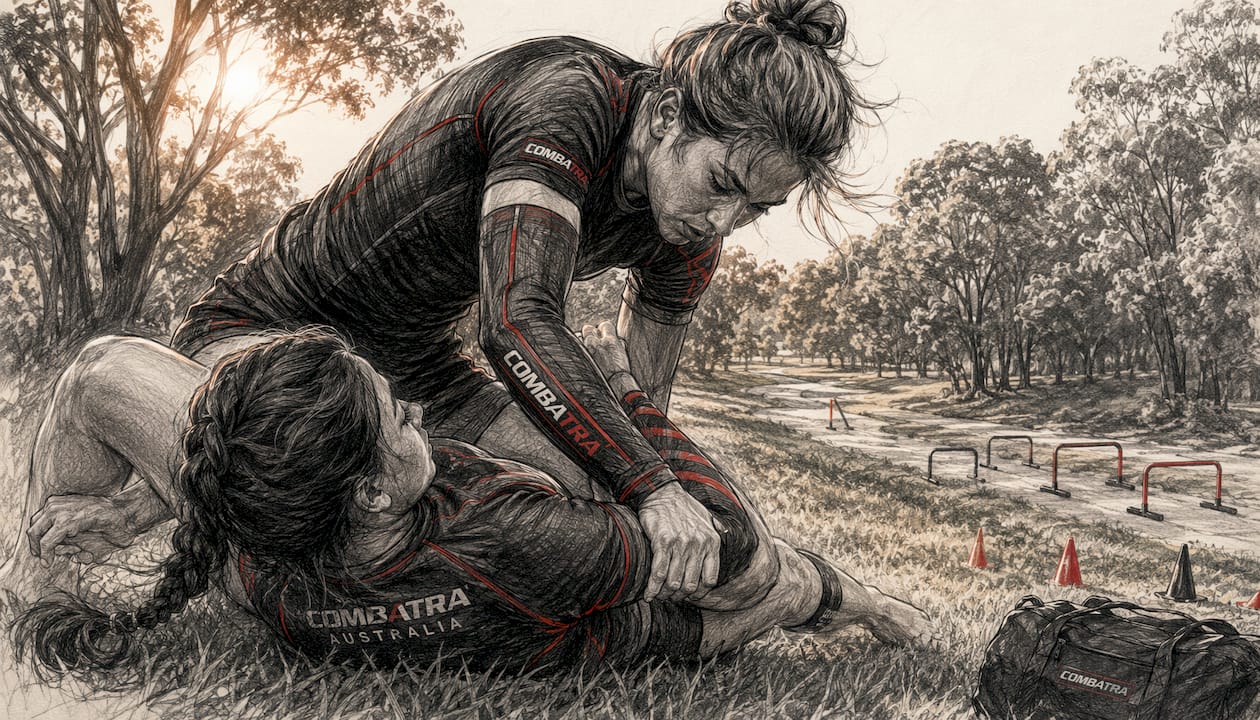
Improved blood flow and oxygen delivery
Compression applied to the arm increases local blood flow by supporting venous return, the process of blood moving back toward the heart. Research on sports compression garments confirms that compression increases markers of venous return and muscle blood flow in the covered area. Better circulation means more oxygen reaching working muscles, which supports sustained output during longer sessions.
Reduced muscle vibration and fatigue
Every stride, punch, or overhead movement creates micro-vibrations in muscle tissue. Compression sleeves reduce muscle oscillation, which lowers the cumulative fatigue those vibrations cause over a long session. Less vibration also means better sensorimotor feedback, so your coordination and joint positioning stay sharper as you tire.
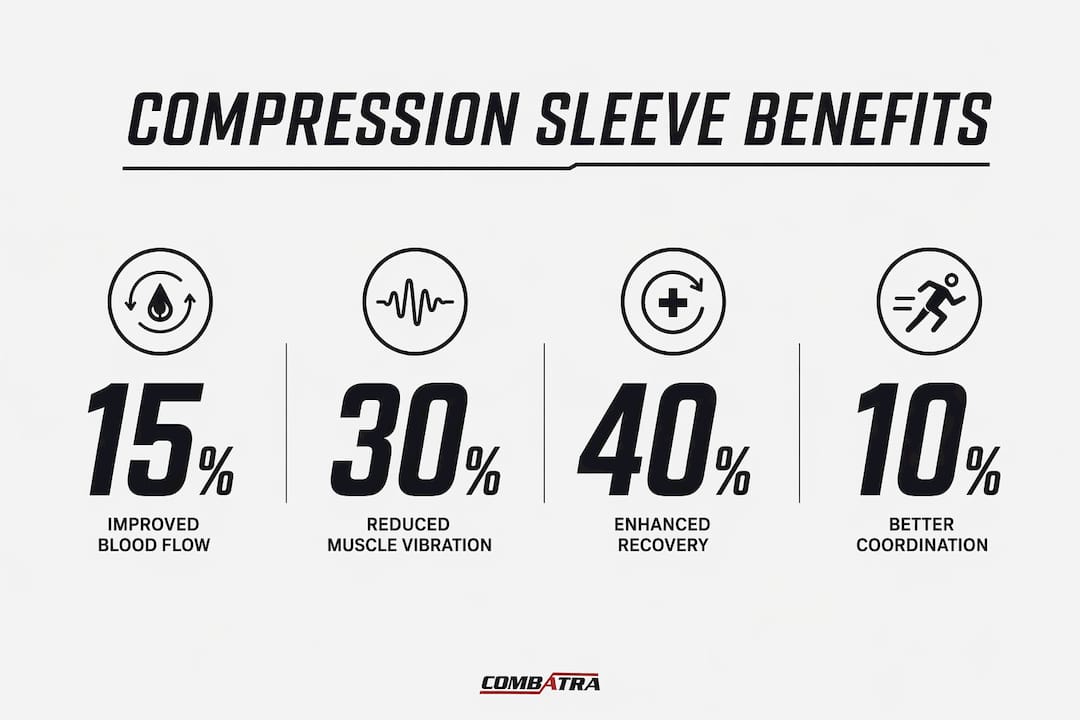
Faster and more comfortable recovery
Post-training soreness tends to be more pronounced after cold-weather sessions, partly because cold slows circulation and delays metabolic clearance. Compression garments improve perceptions of muscle soreness and pain in the days following exercise, making them a cost-effective recovery tool you can wear during and after training.
Proprioception and coordination support
Compression creates a mild pressure signal across the skin that sharpens your brain’s awareness of arm position. This is particularly useful in grappling, trail running on uneven ground, or any sport where precise limb control matters. The elbow sleeve research community has noted this proprioceptive benefit as one of the more underappreciated reasons athletes keep wearing them.
Pro Tip: Wear your compression arm sleeves during your warm-up, not just once you are already moving. Research shows skin temperature rises faster under compression during warm-up phases, which means your muscles are primed sooner for full effort.
Additional benefits worth knowing:
- Protection from trail debris, scrub, and abrasion during outdoor sessions
- Reduced perceived exertion during sustained efforts
- Dual-use as a recovery layer post-training without needing to change gear
How to layer compression arm sleeves for Australian cold weather conditions
Australian winters vary sharply by region and time of day. A July morning in the Blue Mountains or the Dandenong Ranges can sit well below 5 °C at 6 AM and climb to 15 °C by mid-morning. Compression arm sleeves are particularly well-suited to this kind of variability because they adapt without requiring a full outfit change.
How compression sleeves fit into a layering system
Compression sleeves sit next to the skin, functioning as a targeted thermal and support layer for your arms. Unlike a long-sleeve base layer, they can be rolled down or removed mid-session without disrupting your torso layers. That flexibility is genuinely useful when you start a run in the cold and warm up 20 minutes in.
A practical layering setup for cold Australian mornings:
- Base layer (torso): A moisture-wicking rashguard or compression top to manage sweat and maintain core warmth
- Arm layer: Compression arm sleeves worn next to the skin for local warmth and muscle support
- Outer layer: A lightweight wind-resistant vest or jacket that can be unzipped or removed as needed
Material matters more than thickness
Overly thick or non-breathable sleeves create a different problem: moisture builds up under compression, increasing thermoregulatory strain. Research on compression garment materials confirms that moisture-wicking, breathable fabrics are critical for athletes with high sweat output. Look for sleeves with polyester-spandex blends that move sweat away from the skin rather than trapping it.
UPF 50+ sleeves for outdoor daylight sessions
Australian UV levels remain meaningful even in winter, particularly between 10 AM and 2 PM. If your training takes you outdoors during daylight hours, UPF 50+ rated sleeves provide sun protection alongside their thermal and compression benefits. This is one area where a well-specified sleeve does double duty that a standard arm warmer simply cannot match.
Layering setups for common Australian cold-weather scenarios:
- Early morning trail run (sub-10 °C): Compression sleeves plus a lightweight wind vest over a rashguard. Remove the vest once your core warms; keep the sleeves on for arm protection and muscle support.
- Outdoor BJJ or martial arts session (cool morning): Compression sleeves under a rashguard for added warmth and abrasion protection. Pair with compression pants for full lower-body coverage.
- Midday winter session with sun exposure: UPF 50+ compression sleeves as a standalone arm layer, providing both UV defence and muscle support without overheating.
Pro Tip: Roll your sleeves down to your wrists rather than removing them entirely when you start to overheat. This keeps them accessible if the temperature drops again, and avoids the awkward mid-run gear shuffle.
How to use and care for your compression arm sleeves properly
Getting the most from compression sleeves comes down to fit, wear duration, and how you maintain them. A sleeve that has lost its elasticity offers neither meaningful compression nor reliable warmth.
Choosing the right fit and compression level
Sleeves should feel firm but not restrictive. You should be able to slide two fingers under the edge without significant effort. For cold weather training, a moderate compression level is appropriate for most athletes. Graduated compression, tighter at the wrist and easing toward the upper arm, supports circulation most effectively. Follow the manufacturer’s sizing guide using your arm circumference measurement, not just your general clothing size.
How long to wear them
Wear compression sleeves throughout your training session and for a period afterward during recovery. Wearing them during exercise and recovery supports circulation and reduces soreness. Avoid wearing them continuously for extended periods beyond training and recovery, particularly overnight, unless directed by a health professional.
Washing and drying to preserve compression
- Machine wash in cold water on a gentle cycle
- Use a mild detergent without fabric softener, which degrades elastic fibres
- Air dry flat or hang to dry; never tumble dry or iron
- Wash after every session to prevent salt and sweat buildup from breaking down the fabric
When to replace your sleeves
Replace compression sleeves when they no longer spring back firmly after stretching, when the fabric feels loose around the arm, or when you notice visible thinning or pilling. A sleeve that has lost compression is providing neither the thermal benefit nor the muscle support you are counting on.
Precautions and contraindications
Compression sleeves are generally safe for healthy athletes, but there are situations where caution applies:
- If you have a known circulatory condition, Raynaud’s disease, or peripheral vascular issues, speak with your GP before using compression garments
- Avoid wearing sleeves over broken skin, rashes, or open wounds
- If you notice numbness, tingling, or discolouration of the skin under the sleeve, remove it immediately and seek medical advice
- Athletes with latex sensitivity should confirm the sleeve materials before purchase
How do compression arm sleeves compare to other cold weather training gear?
Compression sleeves are one option among several for keeping your arms warm and protected during cold training. Understanding how they differ from arm warmers and long-sleeve shirts helps you make a better choice for your specific training context.
| Criteria | Compression arm sleeves | Standard arm warmers | Long-sleeve training shirt |
|---|---|---|---|
| Warmth | Moderate; raises local skin temperature faster than loose garments | Moderate; primarily insulating, less form-fitting | Good; covers torso and arms but less targeted |
| Muscle support and circulation | High; reduces muscle oscillation and supports venous return | Low; no meaningful compression benefit | Low; no compression |
| UV protection | High when UPF 50+ rated | Variable; most are not UV-rated | Variable; depends on fabric and rating |
| Material breathability | High when moisture-wicking fabric is used | Moderate; some trap sweat | Moderate to high depending on fabric |
| Comfort and fit | Snug, targeted; can be rolled down mid-session | Loose to moderate; easy to remove | Covers full torso; requires full removal to adjust |
| Layering flexibility | Excellent; works under or over other layers | Good; easy to remove | Limited; removing disrupts full outfit |
The key distinction is muscle support and circulation. Standard arm warmers and long-sleeve shirts provide insulation, but they do not apply the graduated pressure that reduces muscle vibration, supports venous return, or improves proprioception. For athletes who need both warmth and performance support, compression sleeves are the more functional choice. For casual warmth alone, a simple arm warmer may be sufficient.
You can read more about how compression sleeves compare to rashguards for outdoor training to decide which combination suits your sessions best.
What does the science say about compression sleeves and cold weather training?
The research on compression garments in cold environments is consistent on one key point: sleeves do not raise your core body temperature, but they do meaningfully improve how your muscles function in the cold.
A systematic scoping review published in PMC examined 183 studies on compression garments and exercise. The findings confirm that compression garments increase skin temperature at the coverage site, warm up faster than control garments during warm-ups, and maintain that temperature more effectively throughout exercise. Core temperature, sweat rate, and body mass loss remain largely unchanged. The practical implication is that the benefit is local and muscular, not systemic.
Key finding: Research shows compression garments significantly reduce the drop in jump height during prolonged cold exposure, demonstrating that local skin warming translates directly into preserved muscle function.
Thermal sensation versus core temperature
Athletes should understand the difference between feeling warmer and being warmer at a core level. Compression sleeves improve thermal sensation by warming the skin locally, and that subjective warmth has real consequences: athletes who feel warmer tend to maintain better muscle activation and output. Research on female athletes wearing compression sleeves during a 40-minute cooling protocol at 0 °C found significantly higher thermal sensation scores compared to those wearing control garments, suggesting that physiological and psychological factors both contribute to the benefit.
Muscle vibration and endurance
In winter racing sports, compression garments have been shown to reduce muscle vibrations at high impact, which helps athletes control movement more efficiently during repeated contractions. For endurance athletes, reduced muscle activation through vibration dampening can improve contraction efficiency and decrease energy loss over long sessions.
Recovery after cold-weather sessions
Post-exercise soreness tends to be more pronounced after training in the cold. Compression garments improve perceptions of pain and soreness in the days following exercise, making them a practical dual-use tool: wear them during training for muscle support, keep them on afterward for recovery.
Material selection for Australian athletes
Australian athletes often train at high intensities even in winter, generating significant sweat output. Research on compression garment materials confirms that moisture-wicking, breathable fabrics prevent the thermoregulatory strain that comes from moisture retention under compression. For Australian conditions, where a cold morning can turn into a warm midday session, fabric choice is as important as compression level.
Pro Tip: If you train with a group and notice some athletes responding more strongly to compression sleeves than others, that is consistent with the research. Physiological responses vary by individual, and female athletes in particular often report greater perceived warmth and comfort in cold conditions.
For a deeper look at how to structure your full cold-weather kit, the guide on layering compression wear covers the practical setup in detail.
Combatra compression gear built for Australian winter training
Combatra builds performance compression wear for athletes who train hard in real conditions, not just controlled gym environments. If you are heading out for early morning runs, outdoor grappling sessions, or trail training through Australian winter, Combatra’s UPF 50+ compression rashguards are designed to work as a base layer that handles both cold and sun exposure in one garment.
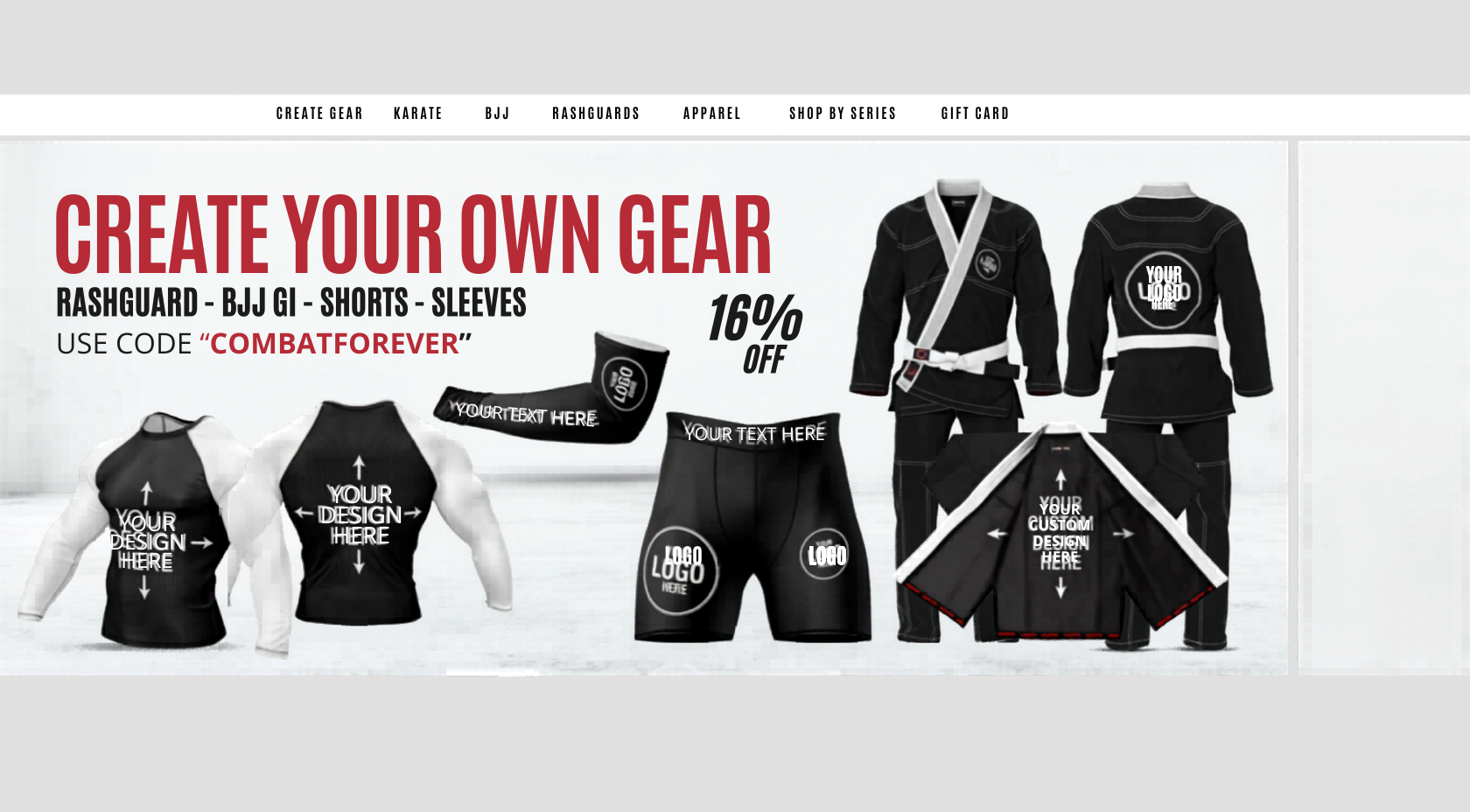
The range covers full-sleeve rashguards rated to UPF 50+, compression arm sleeves, and compression pants, all built with moisture-wicking fabrics that manage sweat without trapping heat. Every piece is designed to layer cleanly with other training gear, so you can build a system that adapts as your body warms up through a session. Custom team options are available for academies and training groups who want consistent kit across the squad.
Cold weather training in Australia calls for gear that does more than one job. Combatra’s compression range is built with that in mind. Browse the full collection and find the right combination for your training environment at combatra.com.au.
Key takeaways
Compression arm sleeves are an effective cold weather training aid because they preserve local muscle warmth and reduce cold-induced performance loss, even though they do not raise core body temperature.
| Point | Details |
|---|---|
| Local warmth, not core warmth | Compression sleeves raise skin temperature at the coverage site and improve thermal sensation without altering core body temperature. |
| Muscle performance preserved | Research shows that compression garments significantly reduce the drop in jump height caused by 40 minutes of cold exposure at 0 °C, preserving muscle performance compared to control clothing. |
| Flexible layering for variable conditions | Sleeves can be rolled down or removed mid-session without disrupting other layers, making them ideal for Australia’s fluctuating winter temperatures. |
| Material choice is critical | Moisture-wicking, breathable fabrics prevent thermoregulatory strain; overly thick or non-breathable sleeves can cause discomfort during high-intensity sessions. |
| Combatra for Australian winter training | Combatra’s UPF 50+ compression rashguards and sleeves are built to layer effectively and manage both cold and sun exposure during outdoor training. |