


How to Wash a BJJ Rashguard: A Practical Care Routine for Australian Training

A rashguard can leave the mat looking almost unchanged while still needing a proper wash. The useful routine begins when you pack up: separate the used top, take it out of your bag at home, and check its care instructions before choosing a wash cycle. The aim is clean, fully dry kit that is ready for the next session, without guessing what the fabric or print can tolerate.
This guide covers everyday garment care, including what to do when your usual laundry window is short. It does not promise that a particular detergent, temperature or rashguard prevents infection. If your academy has an infection-control issue, follow its health advice and ask the garment supplier how to meet that advice without ignoring the care label.
Start with the instructions on your own rashguard
Check the sewn-in label and any supplied care instructions. Record the permitted washing method, temperature, drying method and restrictions on bleach or ironing. A photograph of the label is useful if the lettering later becomes difficult to read. Do this for each garment rather than assuming every stretch top in your drawer uses the same care routine.
The ACCC Product Safety care-labelling guide explains that clothing care information may use words or symbols. Its purpose is to tell you how to care for the item without damaging it. The name “rashguard” alone does not establish a safe wash temperature or make tumble drying acceptable.
If the label is missing or unclear, contact the seller with the exact product name and a photo of the garment. Ask for washing and drying guidance together. A reply about washing only leaves half the decision unresolved, particularly if you normally rely on a dryer between evening and morning training.
Give used kit its own journey home
Pack used training clothing separately from the clean clothes you will wear afterwards. A washable bag or separate compartment can make this easier, provided you clean that container according to its own instructions. Keeping the used kit together is a handling routine, not a claim that a bag sanitises its contents.
When you get home, empty the training bag as part of unpacking. Do not leave the rashguard inside until the next time you need it. Check pockets, remove loose tape and inspect the neckline, underarms and seams before starting the load. This is also a good moment to spot a developing hole while the garment is off your body and easy to examine.
If you cannot wash immediately, keep used clothing separate from clean kit and arrange a wash before it is worn again. A quick rinse or airing on a chair should not become the default substitute for laundering. Plan around your actual training timetable, rather than expecting one top to be ready for every back-to-back session.

Build a compatible wash load
Sort garments by their care requirements and any colour-separation instructions. Check for exposed fasteners on other items before combining them with a stretch top. A load that suits a robust towel may not suit your rashguard, even when both came home from the same class.
Use the detergent according to its directions and the garment instructions. Adding more than the recommended amount is not a shortcut to a better result. If you try a new laundry product, check that its intended use matches the garment and avoid combining treatments without instructions supporting that combination.
Choose the cycle from the label, not from an internet claim that all rashguards must be washed at one exact temperature. Similarly, do not introduce bleach, a long soak, an iron or a hot dryer merely because another garment tolerated it. Where instructions conflict or are incomplete, seek clarification before experimenting on your regular training top.
For the Gi in the same bag, use the separate BJJ Gi shrinkage guide. Woven Gi sizing and stretch-top care need different checks; sharing a sport does not make them interchangeable laundry items.
Finish the drying step before repacking
Use the drying method permitted for the rashguard, then check the whole garment before folding it away. Turn attention to overlapping fabric, the neckline and seams, where a quick touch of the front panel may not tell the full story. “Nearly dry” is not the same as ready to put into a closed training bag.
Allow enough time for the approved method in your own home. A cool Melbourne evening, a humid room or limited hanging space can change when your kit is ready. These are practical household conditions, not a reason to override the label with extra heat. If the garment will not be ready, choose a clean, suitable spare or adjust the session plan.
The CDC's athlete hygiene guidance recommends washing clothing after use, drying it completely and following clothing labels. It also specifically recommends dryer drying for infection prevention. If that recommendation conflicts with your garment's restrictions, seek appropriate advice rather than treating air drying as an equivalent infection-control method. This article's routine is about everyday garment handling, not disinfection.

Use a repeatable five-part routine
Keep the sequence short enough to repeat after a late class: check the label, separate used kit, wash as directed, dry as directed, then inspect and pack. The infographic below is a reminder of that sequence. It deliberately gives no universal temperature or drying setting because those decisions belong to the instructions for the item you own.
Make a small note if a problem occurs. Record the garment, the selected cycle, the laundry product and the outcome. “The sleeve felt different after this wash” is more useful than changing several settings at once and losing track of what happened. Keep any supplier response with that note.
For shared household laundry, leave the care requirements where the person doing the wash can find them. A clear instruction such as “please check this top's label before adding it to the load” is more reliable than assuming everyone recognises which training clothes need different treatment.

Check whether the problem is care, fit or damage
Once the rashguard is clean and fully dry, inspect it in good light. Look for open seams, holes or an edge that no longer sits as it used to. Put it on for comfortable everyday movements before deciding that a wash problem has been solved. Do not use a hard training session as the first check of a damaged garment.
A top that rides up from its first wear may need a fit assessment, rather than a different detergent. Read the long-sleeve rashguard fit guide to separate coverage and movement questions from laundry questions. Avoid trying to force a better fit through heat or aggressive stretching.
If an odour remains, review the garment instructions and washing process and ask the supplier for suitable troubleshooting. Perfume does not demonstrate that a garment is clean. Repeatedly masking the symptom can also make it harder to describe the original problem when asking for help.
Buy a spare to solve a real laundry gap
Work backwards from your weekly classes and the time available to wash and dry properly. If one clean top is repeatedly unavailable before your next session, an additional rashguard may be useful. There is no fixed number every athlete needs; two sessions on one day create a different problem from two sessions several days apart.
The Combatra options below provide different design routes. Check each listing's size options and ask for care information before ordering. A familiar design name is not proof that a new garment has identical sizing or care requirements to an older one. Choose a top that fits the training use first, then use the graphic as the finishing preference.
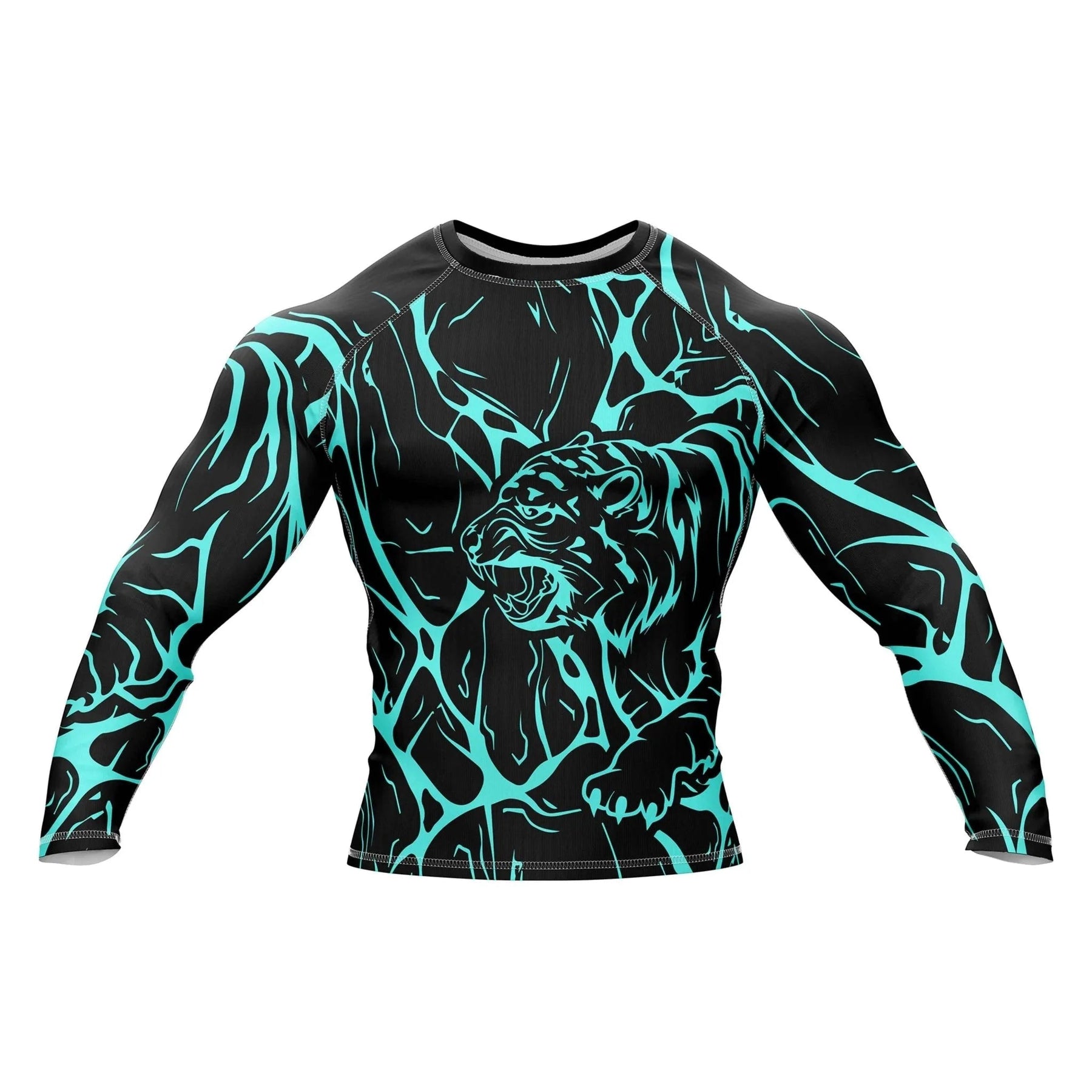
Energy Tiger BJJ Rashguard – UPF 50+ | Combatra
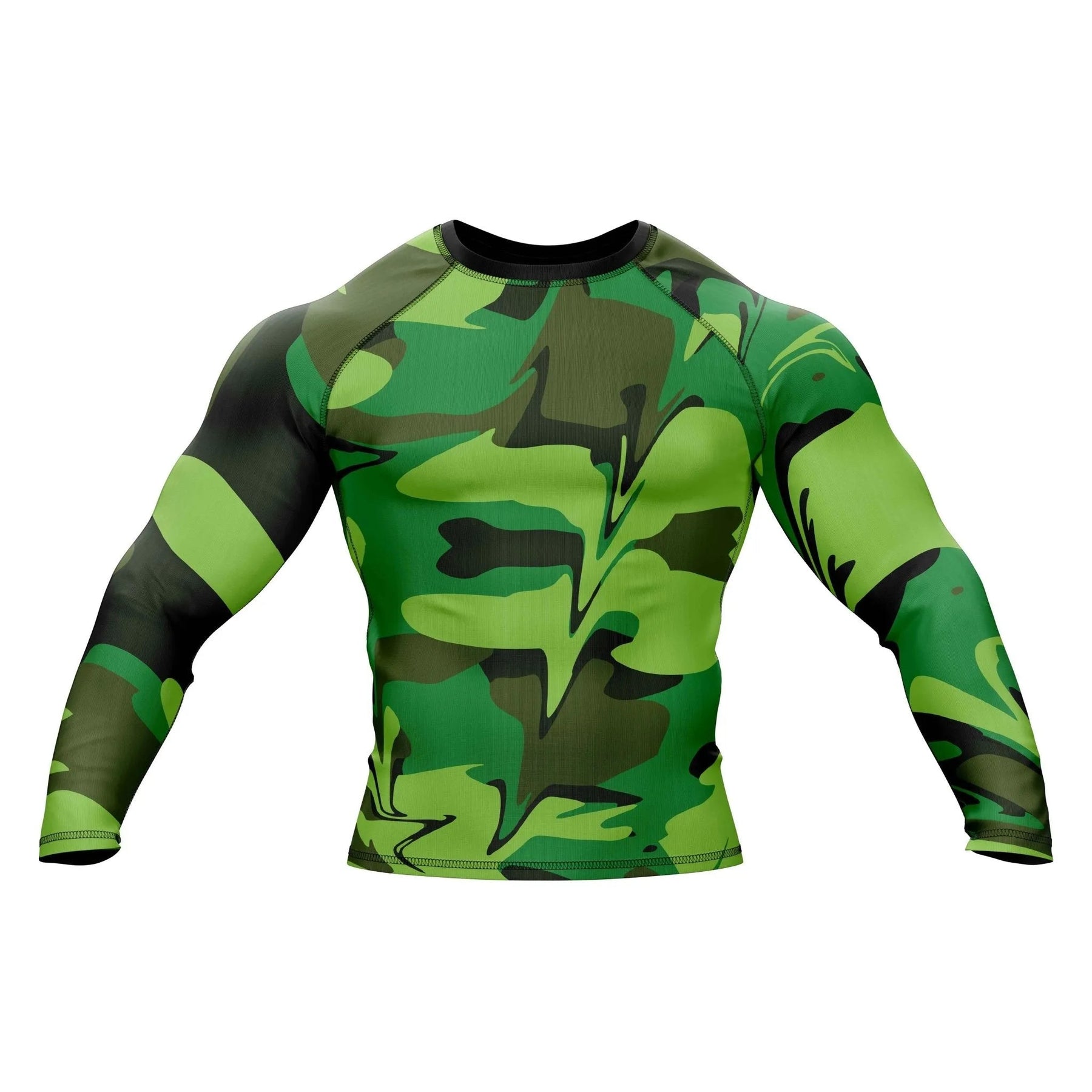
Green Camo Battle Field BJJ Rashguard – UPF 50+ | Combatra
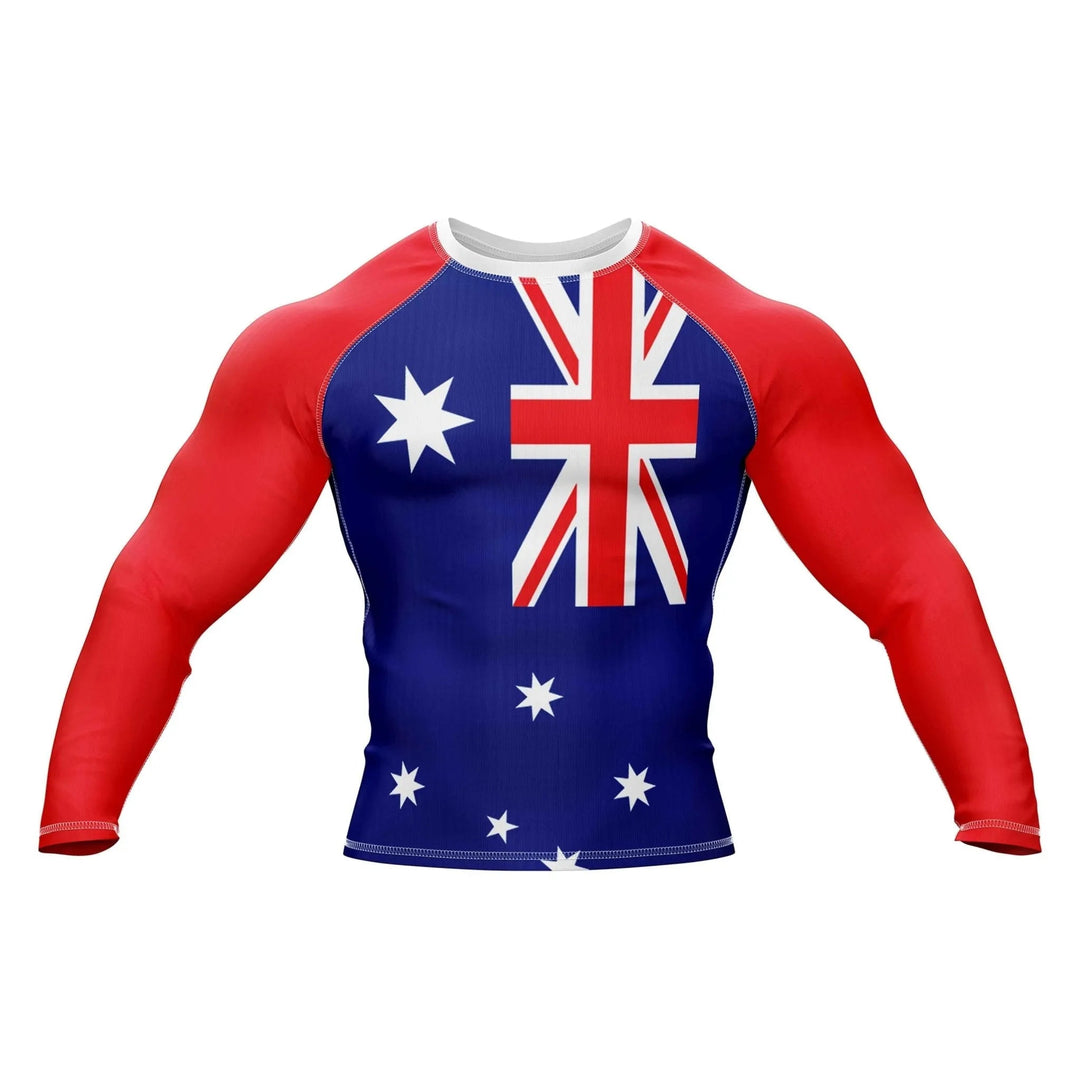
Australia Flag BJJ Rashguard – UPF 50+ | Combatra
Store your clean, dry spare where it can be packed without mixing it with yesterday's kit. A dependable routine is less about a complicated laundry setup and more about completing the same small tasks before the next class begins.

Frequently asked questions
Can I wash all my rashguards together?
Only when their care instructions and colour-separation requirements are compatible. Check each item rather than grouping it solely because it is a rashguard. Also inspect the other garments in the load for fasteners or features that could catch.
Is a cold wash always the correct choice?
No single setting applies to every rashguard. Follow the specific garment instructions. If you need an infection-control wash that the label does not support, get appropriate advice instead of assuming a general care guide resolves the conflict.
Can I tumble dry a BJJ rashguard?
Check the label for that exact item. Some garments have drying restrictions. When the permitted drying method will not fit your turnaround time, use a clean spare rather than adding heat without confirmation.
Is airing it enough between two sessions?
Do not treat airing as a replacement for washing used training clothing. Arrange clean kit for the second session and complete the wash-and-dry routine for the first set before wearing it again.
Should I use the same routine for my Gi?
Check the Gi separately. Its fabric, construction and sizing considerations differ from a stretch top. Following one item's instructions does not establish that the same cycle is suitable for everything in your training bag.
Does buying a new rashguard fix a laundry problem?
A spare can help with turnaround, but it will still need the same care planning. If the issue is an unclear label, an unsuitable cycle or damp storage, resolve that process as well as deciding whether another top is useful.