


Personalised BJJ Belt Embroidery: Check Names, Placement and the Final Proof

A personalised BJJ belt order can be simple, but the small details deserve a deliberate check. A misplaced letter, an ambiguous left-end instruction or an unconfirmed size can matter more than a dramatic design concept. Start with a belt suited to the athlete, then prepare a proof that makes the intended personalisation easy to understand.
This guide focuses on the approval stage: names, artwork, placement and version control. It does not award a rank, establish a competition approval or assume every lettering style can be embroidered. Your academy confirms rank and local expectations; the supplier confirms what can be produced on the selected belt.
Confirm the belt before choosing the lettering
Check the athlete's correct rank with their academy and select a belt length using the relevant product guidance. Do not use personalisation to guess a promotion, particularly when buying a gift. A present can still feel considered when the practical details have been confirmed discreetly through the appropriate person.
Make sure the requested product is a BJJ belt rather than a superficially similar belt from another martial art. Record the exact product, size and colour alongside the personalisation request. That keeps the text proof connected to the item that will carry it.
Use the BJJ belt size guide for the separate length decision. This article deals with what is added to the belt; it should not replace checking how the belt fits when tied over the athlete's usual Gi.
If the belt is intended for an event, consult the organiser's current requirements before ordering. A product name containing “personalised” or “premium” does not establish acceptance in a particular competition or division.
Write the name exactly as it should appear
Provide the actual text in a plain, copyable form. Include the intended capital letters, spaces, punctuation and any initials. Avoid instructions such as “the usual nickname” unless the nickname itself is written out. The person preparing the artwork should not have to interpret a contact name, profile handle or handwritten note.
Ask the wearer to check the spelling rather than relying on a teammate's memory. For a gift, confirm it with someone who knows the intended form of the name. If a name uses accents or a writing system the supplier may not support, ask what is possible before treating a screen preview as production-ready.
Keep decorative wording separate from the athlete's name. For example, record the academy name and the personal name as two distinct fields. This makes it easier to catch a swapped placement and avoids a long sentence being interpreted as one continuous embroidery line.
Check the proof character by character. Read it once normally, then compare each word directly with the written request. Familiar names are easy to skim, which is exactly why a slow second check is worthwhile.

Describe placement without relying on left and right
“Left end” can mean different things depending on whether the belt is lying flat, being worn or viewed from the front. Ask for a proof that shows the whole belt or clearly identifies each end. The rank-bar end, if applicable, gives a more useful reference than an unexplained left or right.
Identify which text belongs on which end and how it should read when the belt is displayed. Ask the supplier to confirm the available positions and the usable area. Do not assume that every empty-looking area is suitable for the requested embroidery or that a longer name can simply be squeezed into the same space.
If you use a reference image, state what it demonstrates: the orientation, the text arrangement or the general look. It is not permission to copy another academy's logo or an athlete's personalised design. Provide artwork you have permission to use and ask for an original proof of your own request.
Keep these placement decisions in the written order record so they remain clear if the proof is revised or a different person handles the final approval.
Check readability at the intended size
A design can look clear when enlarged on a phone and crowded when reduced to a belt end. Ask how large the lettering and logo will be, and whether the requested detail is suitable for embroidery. If a full-size preview or sample is available, confirm its scope, price and timing before relying on it.
Small fine lines, closely packed letters and a detailed logo may require simplification. Let the supplier identify production limits rather than setting an arbitrary minimum text size from a generic guide. If simplification is proposed, approve the altered artwork explicitly; it should not silently change the academy's identity.
Keep contrast part of the conversation. A thread colour that looks distinct on one screen may not represent the final physical combination exactly. Ask for the available thread references and agree how colour will be confirmed when it is particularly important.
A clean, readable name is usually a stronger outcome than adding every possible detail. Decide which element matters most and give it enough space. Extra wording is optional; correct spelling and a clear layout are not.

Check academy and event requirements separately
Ask your coach whether there are academy expectations for personalised belts. A belt intended mainly for training may still be worn at a grading or event, so explain the intended use before approving unusual wording or large artwork.
The IBJJF uniform page sets belt requirements covering rank colour, width, tying and the ends when tied. That is a separate check from whether a supplier can embroider your design. Consult the current rules and organiser for your event; this guide does not certify a personalised belt as competition compliant.
Do not treat an unmarked area in a product photograph as a blanket invitation for embroidery. Ask whether the proposed position affects a required feature or the belt's practical use. Keep any organiser confirmation with the order record if the event is a main reason for buying.
The five checks in the infographic are rank and size, exact text, placement, production suitability and final approval. They are a proofing routine, not a substitute for the organiser's equipment inspection.

Approve a named version and keep the record
Before approval, compare the proof with the product selection and written text. Confirm the belt colour and size again. A perfect spelling check on the wrong size or colour still produces the wrong order. If you are ordering for several people, compare each proof with its individual row in the roster.
Use one person to communicate final approval. Keep the file name or version, the approval date and the confirmed text. If you request a change, ask for the updated proof to be clearly identified so an older attachment cannot be mistaken for the final version.
If you spot an error after approval, contact the supplier promptly and ask what stage the order has reached. Do not assume production can be stopped or that a late edit is included. An acknowledgement of the change is the useful evidence that the request has been received and understood.
For the wider belt decision, the adult, kids and personalised BJJ belt checklist keeps the wearer, academy-confirmed colour, fit and spelling approval together. Keep the embroidery proof tied to that exact belt record.
Choose the product route that matches the purpose
If the name or academy artwork is central to the purchase, start with Combatra's Design Your Own Personalised BJJ Belt listing and confirm the available customisation method. If the need is simply a correctly sized training belt, compare the standard Sports BJJ Belt route instead. Personalisation is a preference, not a requirement for useful training equipment.
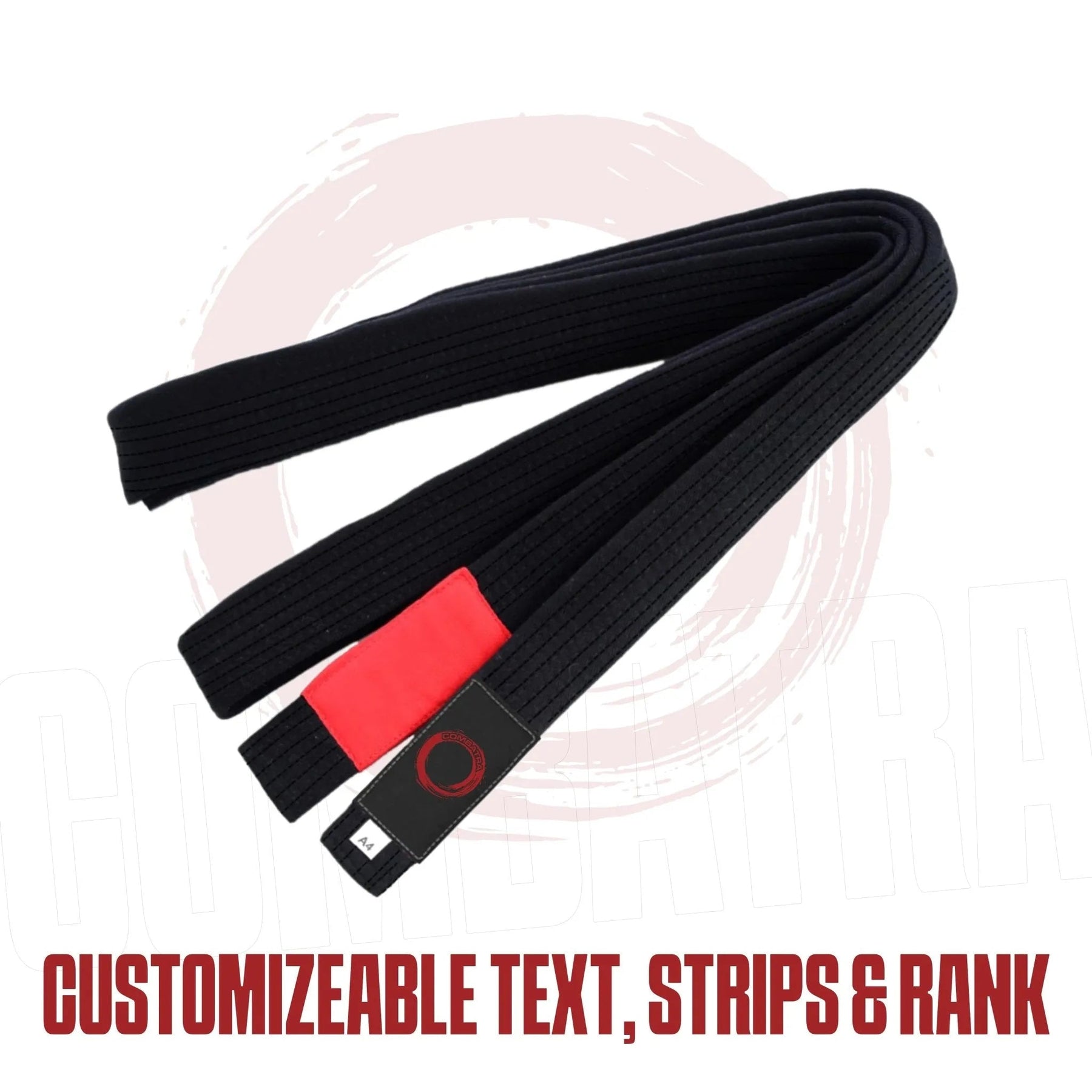
Design Your Own Personalised BJJ Belt | Combatra
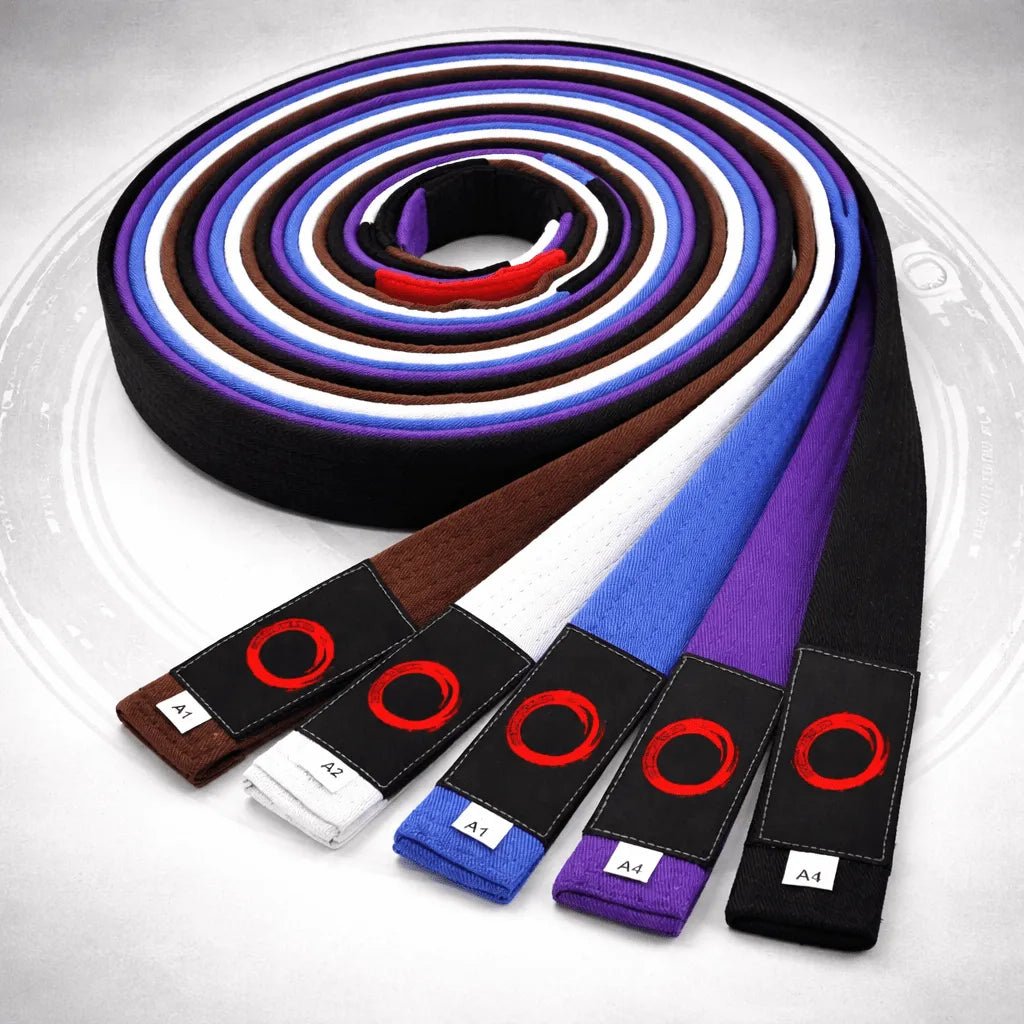
Sports Brazilian Jiu Jitsu BJJ Belt | Combatra
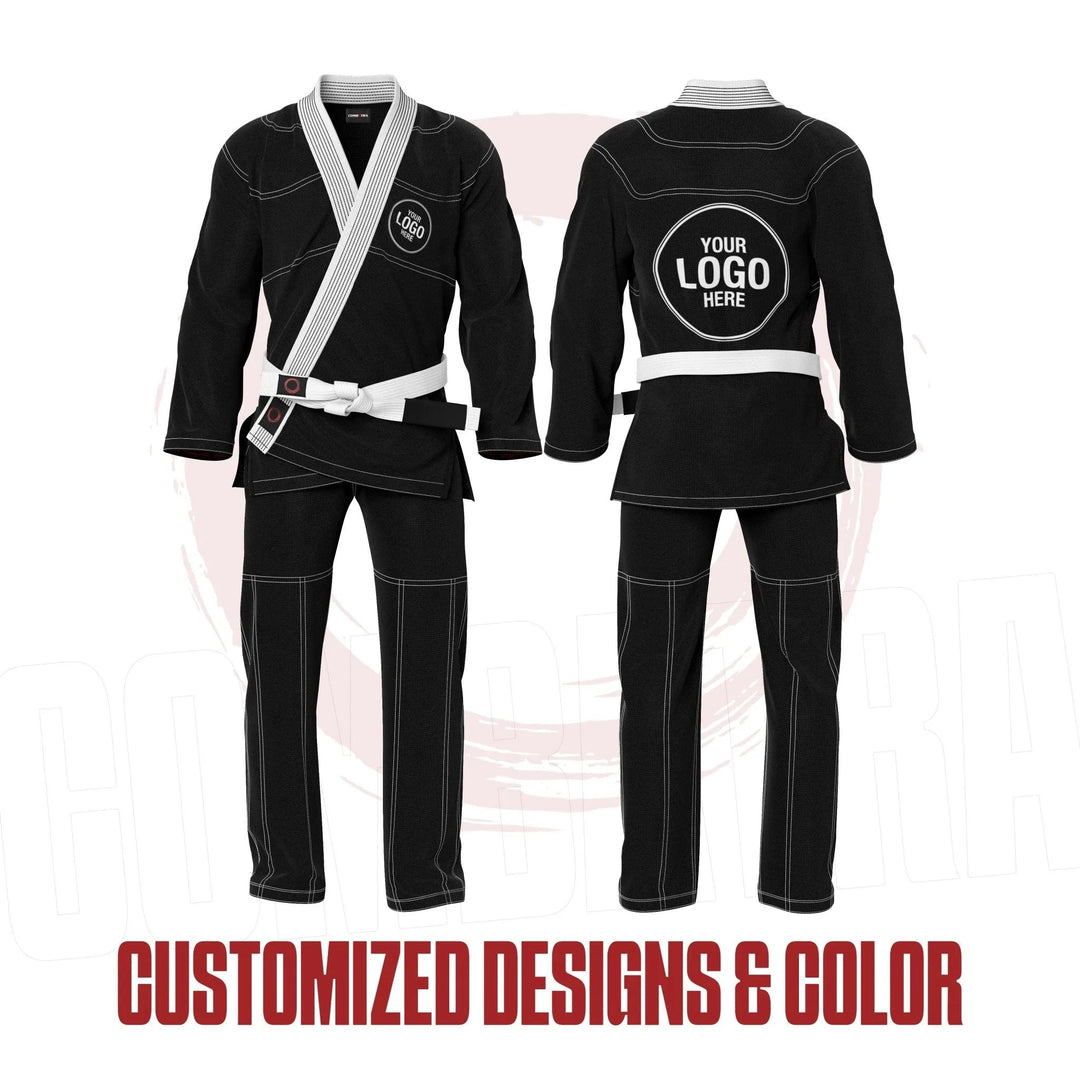
Design Your Own Personalised BJJ Gi | Combatra
When the belt arrives, check the text, orientation, colour and size against the approved record before presenting it or taking it to training. If something differs, document it clearly and contact the seller. Keep the proof for a future replacement, but reconfirm the athlete's rank and size before ordering again.

Frequently asked questions
Can any name or logo be embroidered?
Ask the supplier to assess the actual artwork and text. Available characters, detail, placement and usable space may vary. A digital mock-up alone does not prove that the same detail can be produced on the selected belt.
Should I order the next rank as a surprise gift?
Confirm the rank with the academy before ordering. Promotion decisions belong to the instructor. You can organise a thoughtful gift without guessing when an athlete will move to a different belt.
How should I explain which end gets the name?
Use a labelled full-belt proof and a clearly identified reference such as the rank-bar end where applicable. Avoid relying only on “left” or “right”, which changes with viewing direction.
Is an embroidered belt automatically competition legal?
No. Check the current organiser requirements for the event and division, as well as the belt's physical fit and features. This guide and the product listing do not provide competition certification.
Can I approve the design on my phone?
You can review it there, but enlarge the spelling and confirm the intended physical dimensions separately. A small preview may hide a typo, while a highly enlarged preview can overstate how readable fine detail will be.
What if I find a typo after submitting approval?
Contact the supplier immediately, identify the approved version and provide the exact correction. Ask whether the production stage still allows a change and wait for acknowledgement rather than assuming it has been applied.