


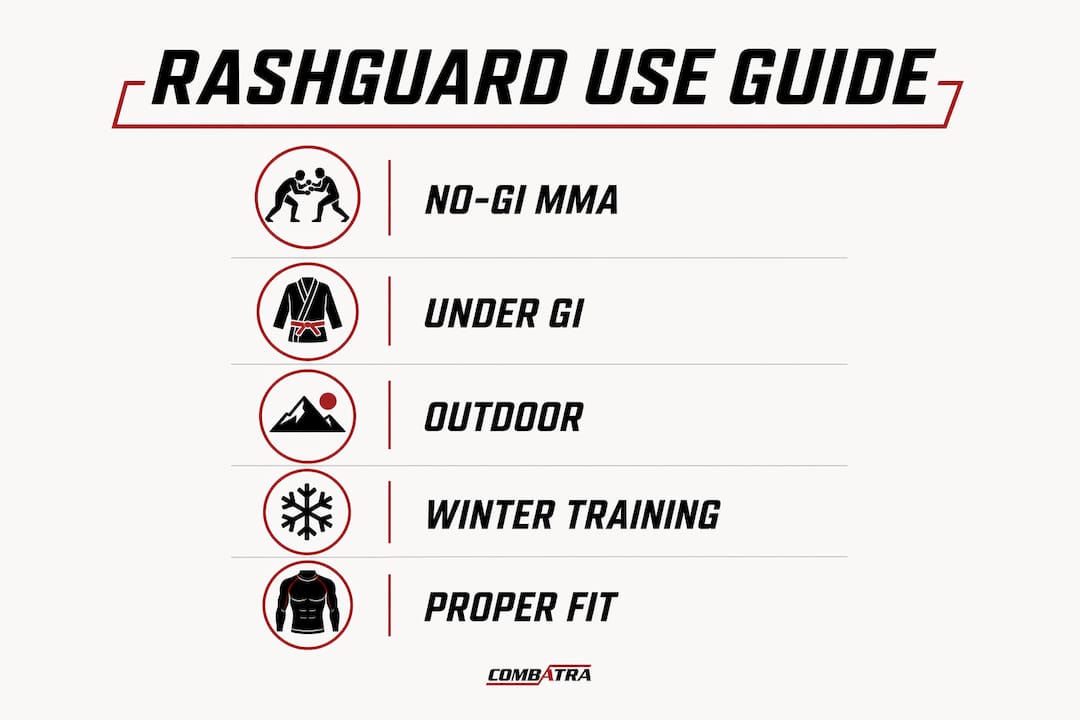
Wear a rashguard every time you train in no-gi BJJ or MMA, and strongly consider one under your gi for every session. That covers the core answer. The fuller picture matters just as much, particularly for Australian athletes training outdoors, competing under IBJJF rules, or rolling through winter. Rashguards protect your skin from mat burns and bacterial infections, manage sweat, and deliver compression support that reduces muscle fatigue. Premium options tested to AS 4399:2020 carry a UPF 50+ rating, blocking 98% or more of harmful UV radiation — a genuine priority given Australia’s UV levels. Here is what each training scenario calls for.
- No-gi BJJ and MMA: Rashguards are effectively mandatory for skin protection and gym hygiene.
- Under the gi: Highly recommended to prevent collar burn and keep your gi cleaner between washes.
- Outdoor training: Choose a rashguard rated UPF 50+ to guard against UV exposure.
- Winter sessions: Layer a long-sleeve rashguard for warmth and compression support.
- IBJJF no-gi competition: Ranked rashguards meeting specific colour and fit requirements are compulsory.
Table of Contents
- Key benefits of wearing a rashguard in combat sports
- Practical scenarios: when to use a rashguard during training
- Australian sun protection standards and IBJJF competition rules
- How to identify a quality rashguard
- Common rashguard skin issues and how to prevent them
- Gear built for the way you train: Combatra rashguards
- Key takeaways
Key benefits of wearing a rashguard in combat sports
A rashguard does several jobs at once, and understanding each one helps you choose the right gear for the right session.
- Skin protection: Rolling on mats creates real friction. Rashguards prevent mat burns, collar chafing, and abrasion rashes that can sideline you for days.
- Hygiene barrier: BJJ mats carry bacteria. A rashguard reduces direct skin contact, lowering your risk of ringworm and staph infections — two of the most common training-related skin conditions in grappling gyms.
- Compression support: The snug fit promotes better blood flow, which supports muscle performance and speeds recovery after hard sessions.
- Moisture management: Quality rashguard fabric wicks sweat away from your skin, keeping you cooler and reducing the slippery conditions that make grips unpredictable.
- Durability: Rashguards built for grappling use reinforced stitching and thicker material than standard compression shirts. They handle constant pulling, stretching, and frequent washing without breaking down quickly.
Pro Tip: Choose a rashguard with flatlock seams. Standard raised seams press into your skin during ground work and cause chafing over a long session. Flatlock construction sits flush against the body and makes a noticeable difference in comfort.
Practical scenarios: when to use a rashguard during training
No-gi grappling and MMA
This is the non-negotiable scenario. Without a gi, your skin is in direct contact with your training partner and the mat throughout every roll. Rashguards create the barrier that prevents abrasions and reduces bacterial transfer. Many gyms require them for exactly this reason, and most fitness training environments that host grappling classes have a hygiene policy that includes rashguards.
Under the gi
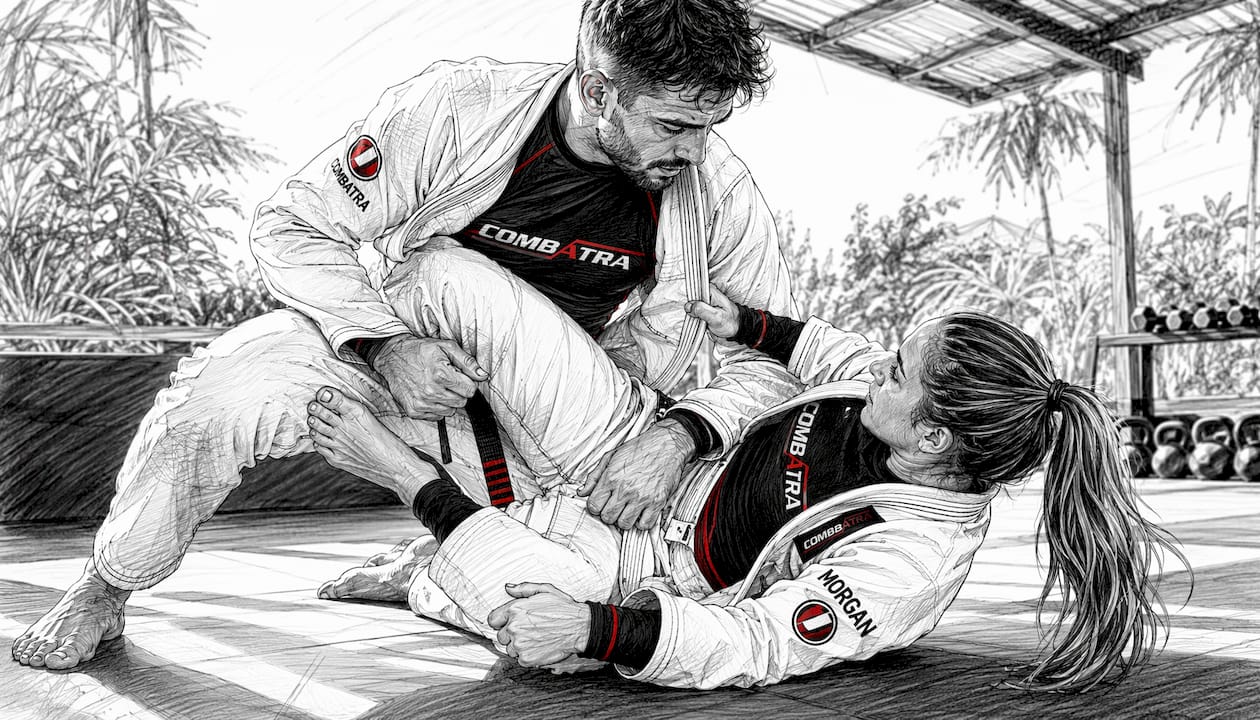
Wearing a rashguard under your gi is not mandatory at most academies, but experienced practitioners do it consistently. The collar of a gi creates friction against the neck and chest during clinch work — a rashguard eliminates that burn. It also keeps the inside of your gi cleaner between washes, which matters when you train five or six days a week. Female athletes are often formally required to wear a fitted rashguard under their gi in both training and competition settings.
Outdoor training sessions
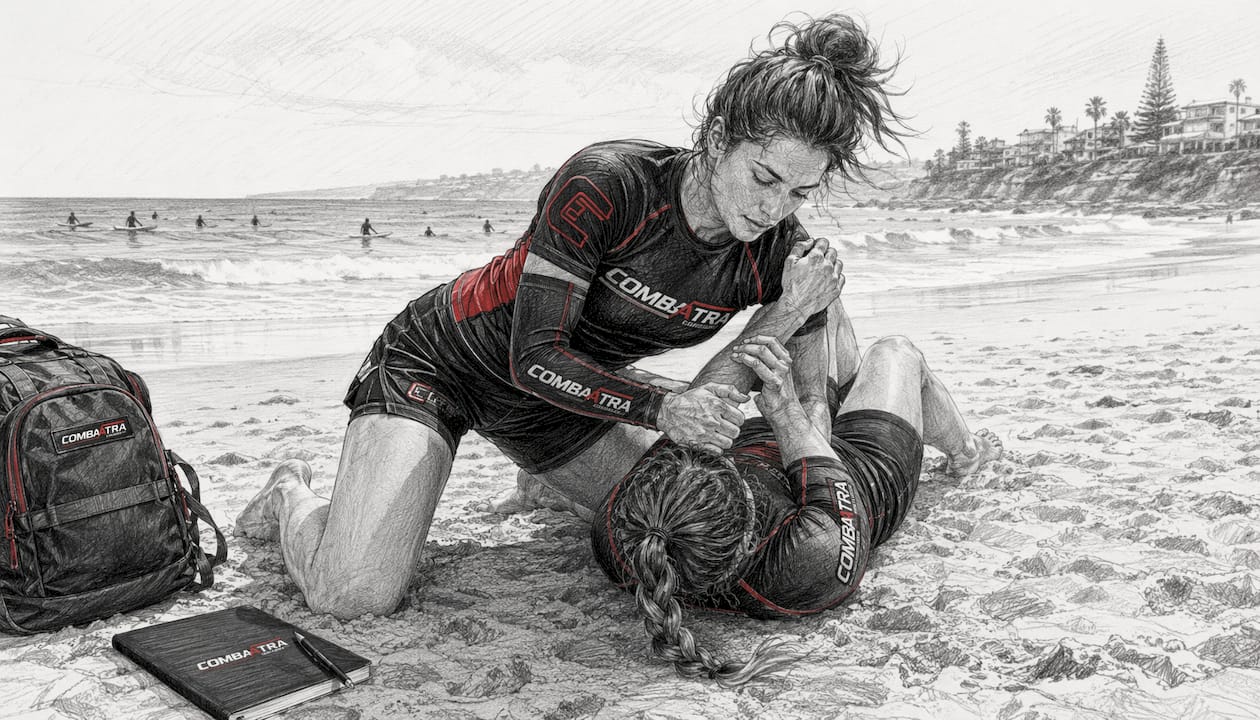
Australia’s UV Index regularly reaches extreme levels, particularly from October through March. Training outdoors without UV-protective clothing during those months carries a genuine skin cancer risk. A rashguard rated UPF 50+ blocks 98% or more of UVA and UVB radiation, which is far more reliable coverage than sunscreen alone on active, sweating skin. Pair it with a hat and shade where possible, as the AS 4399:2020 standard notes that UV protection applies only to covered skin.
Winter and cold-weather sessions
A long-sleeve rashguard worn as a base layer adds warmth without restricting movement. In cooler months, many athletes layer a short-sleeve rashguard over a long-sleeve one, which gives them temperature control they can adjust between rounds. The compression also helps keep muscles warm and reduces the risk of strains during a cold warm-up.
Fit and sizing
A rashguard should sit snug against your body with no loose fabric. Excess material gives your training partner something to grip and bunches up during movement. At the same time, it should not restrict your breathing or limit shoulder rotation. Check that the torso length covers your waistband fully — a rashguard that rides up mid-roll is a distraction you do not need.
Washing and care
Wash your rashguard after every single session. Sweat and bacteria left in the fabric between training days degrade the material and create a hygiene risk for you and your training partners. Cold or warm machine washing is fine; avoid fabric softener, which breaks down moisture-wicking fibres over time. Air dry rather than tumble dry to preserve the compression and elasticity.
Australian sun protection standards and IBJJF competition rules
AS 4399:2020 and UPF ratings
The Australian Standard AS 4399:2020 is the benchmark for sun-protective clothing in Australia. A garment rated UPF 50+ provides excellent protection, blocking 98% or more of harmful UV radiation. For context, UPF 15 blocks around 93% and UPF 30 around 97%. That gap matters during a two-hour outdoor session. Australia has one of the highest rates of skin cancer globally, which makes UPF-rated training gear a practical health decision, not just a marketing claim. Look for rashguards that are labelled and tested to AS 4399:2020 rather than those that simply claim UV protection without certification.
IBJJF no-gi competition requirements
The IBJJF uniform rules for no-gi competition are strictly enforced. Both men and women must wear a skin-tight elastic shirt covering the torso to the waistband of their shorts. Permitted colours are black, white, or black and white, and the shirt must display at least 10% of the athlete’s belt rank colour. Shirts entirely in the rank colour are also permitted. Black belts may have a small red area, provided it does not obscure the rank colour. Sleeveless tops are not permitted. Athletes who arrive without a compliant rashguard risk disqualification before they step on the mat.
How to identify a quality rashguard
Low-quality rashguards reveal themselves quickly. The stitching separates after a few washes, the fabric loses its compression within weeks, and the print cracks or peels. Here is what to look for instead.
- Seam construction: Flatlock seams indicate a garment built for grappling. Overlocked seams are a sign of a budget product.
- Fabric weight and composition: A blend of polyester and spandex (typically 80–90% polyester, 10–20% spandex) gives the right balance of stretch, durability, and moisture management.
- Print quality: Sublimation printing bonds colour into the fabric rather than sitting on top of it. Sublimated prints do not crack, peel, or fade with regular washing.
- UPF labelling: If a rashguard claims UV protection, check for AS 4399:2020 certification. An uncertified claim is not a guarantee.
- Brand transparency: Reputable brands state their fabric composition, care instructions, and testing standards clearly. Vague product descriptions are a warning sign.
Common rashguard skin issues and how to prevent them
Even with a rashguard, skin problems can occur if the gear is not used or maintained correctly.
Mat burn through thin fabric: A rashguard that is too thin provides minimal abrasion protection. Opt for a heavier-weight fabric for no-gi sessions where ground contact is constant.
Folliculitis and heat rash: Wearing a rashguard that is too tight or made from non-breathable fabric traps heat and sweat against the skin. Choose moisture-wicking material and ensure the fit is snug but not compressive to the point of discomfort.
Bacterial infections despite wearing a rashguard: This usually comes down to hygiene. A rashguard worn twice without washing can carry more bacteria than bare skin. Wash after every session without exception.
Chafing at the collar or cuffs: This is almost always a seam issue. Switching to a flatlock-seam rashguard resolves it in most cases. If you train under a gi, a rashguard with a higher neckline also reduces collar friction.
Gear built for the way you train: Combatra rashguards
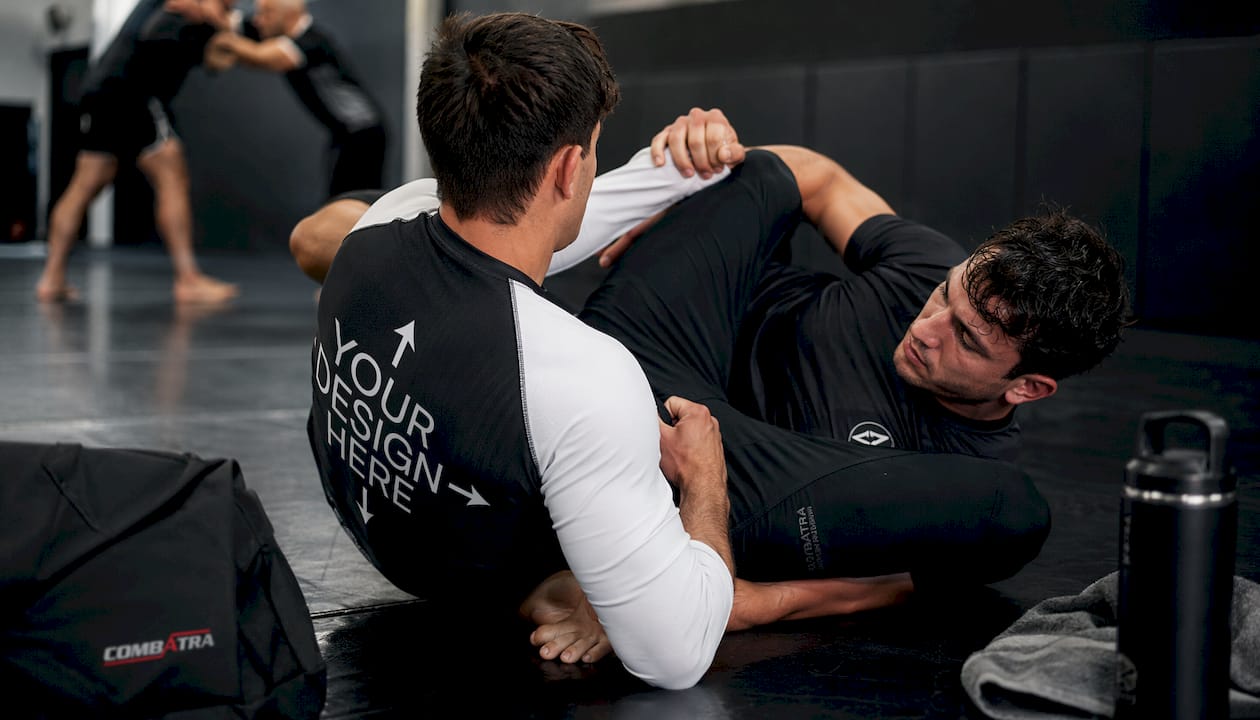
Combatra builds rashguards for Australian combat sports athletes who train seriously and compete under real conditions. Every rashguard in the range is designed with UPF 50+ protection, flatlock seam construction, and sublimation printing that holds up through hundreds of washes. Whether you need a ranked rashguard that meets IBJJF no-gi requirements or a long-sleeve option for outdoor winter sessions, Combatra has the right fit. You can also design your own rashguard with your name, academy logo, and colours, making it the right choice for both individual athletes and team orders. Head to Combatra’s custom rashguard page to configure your gear and get it made to your exact specifications.
Key takeaways
Wearing a rashguard in every no-gi, MMA, and outdoor training session is the single most effective step Australian combat sports athletes can take to protect their skin, manage hygiene, and meet competition requirements.
| Point | Details |
|---|---|
| No-gi and MMA sessions | Rashguards are effectively mandatory for skin protection and hygiene in every grappling session. |
| UPF 50+ for outdoor training | AS 4399:2020-rated rashguards block 98%+ of UV radiation, critical given Australia’s high UV levels. |
| IBJJF competition compliance | No-gi rashguards must be skin-tight, black/white, and show at least 10% of the athlete’s belt rank colour. |
| Quality indicators | Look for flatlock seams, sublimation printing, and AS 4399:2020 certification to identify durable gear. |
| Combatra custom rashguards | Combatra offers UPF 50+ rashguards with custom design options suited to both training and IBJJF competition. |