


Choosing a rashguard for BJJ or MMA involves fit, fabric, seams, care and style. A rashguard provides fabric coverage and may help with comfort, but it does not replace gym hygiene, wound care or medical advice.
Table of Contents
Key Takeaways
| Point | Details |
|---|---|
| Coverage | Sleeve length and cut change the area covered by fabric. |
| Style choices | Compare the exact garment's fit, fabric, seams and care instructions. |
| Personalisation | Check available artwork and colour options. |
| Hygiene | Clean gear and mats, covered wounds and medical advice remain important. |
Defining Rashguards for BJJ and MMA
Rashguards are close-fitting training tops commonly used in BJJ and MMA. Compare the exact fabric, seams, fit and care instructions for the intended use.
Rashguards are available in different materials and constructions. Check the exact product's fabric composition, stretch, seams and care instructions rather than assuming durability or moisture-management outcomes.
Key characteristics that distinguish rashguards from standard compression shirts include:
- Compare the listed fabric composition and seam construction.
- Use the size chart to choose a comfortable fit.
- Check the exact product's care and drying instructions.
- Choose sleeve length for the intended coverage and conditions.
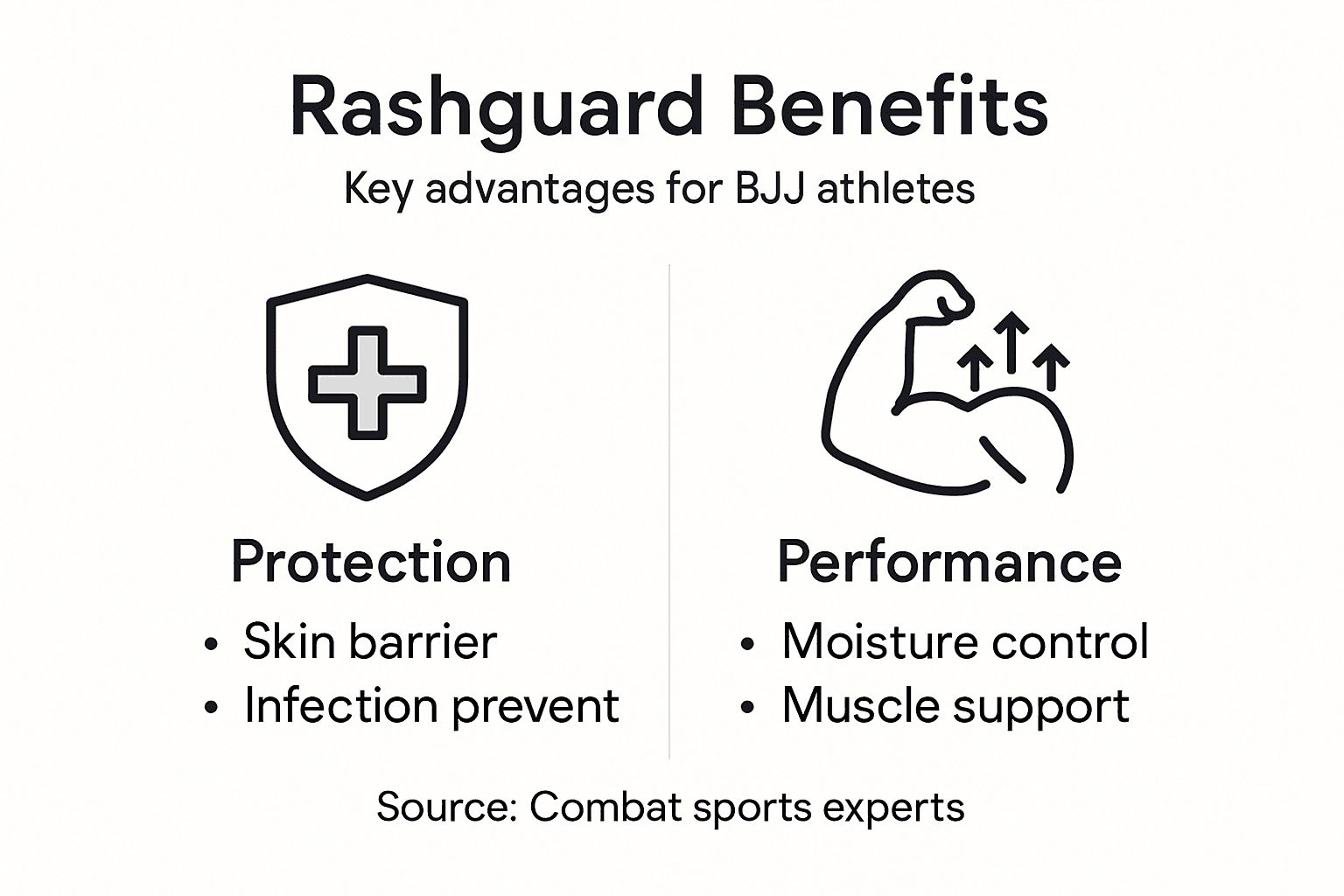
Rashguard features vary by product. Compare the listed fabric, seams, fit and care instructions rather than assuming infection, fatigue or performance effects.
Pro tip: When selecting a rashguard, prioritize high-quality materials and a snug but comfortable fit that allows complete range of motion during training.
Types of Rashguards and Key Distinctions
Rashguards vary by sleeve length, fabric, seams and fit. Choose a product according to comfort, training conditions and any current event rules.
The primary variations in rashguard types include sleeve length, material composition, and compression levels. Long-sleeve rashguards provide maximum skin protection against mat abrasions and potential infections, making them ideal for intense grappling scenarios. Short-sleeve options offer increased breathability and are preferred during high-temperature training sessions or by athletes who prioritize mobility.
Key rashguard classifications include:
- Short or long sleeve: Compare coverage, sleeve fit and comfort.
- Compression-labelled: Check the actual size chart and comfortable stretch.
- Thermal or lightweight-labelled: Review the specific construction rather than assuming warmth, drying speed or performance.
- Competition use: Check the current organiser requirements for the exact garment.
Material composition plays a critical role in rashguard performance. Most high-quality rashguards utilize advanced synthetic blends like polyester-spandex and nylon-spandex, which deliver exceptional stretch, quick-drying capabilities, and resistance to wear during intense training sessions.
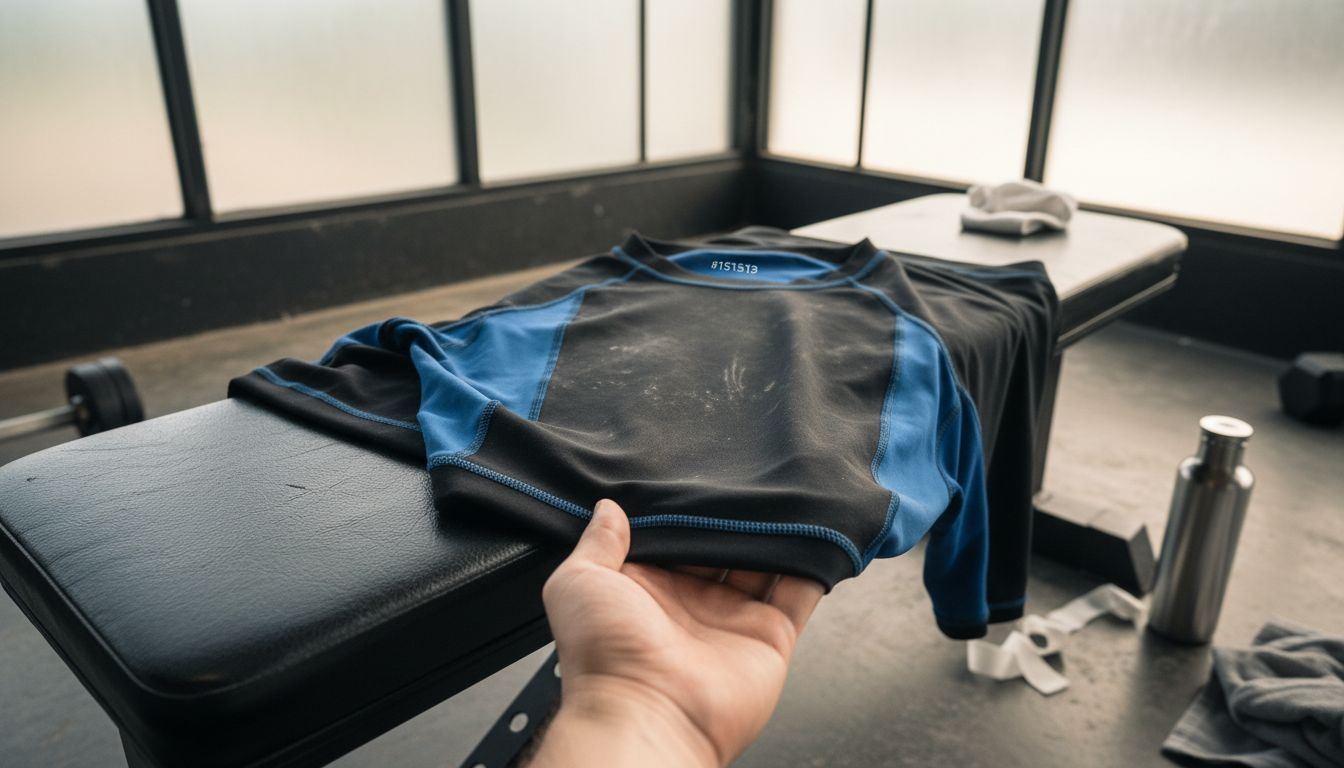
Here’s a quick comparison of rashguard types and their ideal uses:
| Style label | What to compare |
|---|---|
| Long sleeve | Sleeve length, seams and comfortable coverage. |
| Short sleeve | Cut, seams and arm coverage. |
| Compression | Size chart, stretch and comfortable movement. |
| Thermal or lightweight | Exact fabric, construction and care information. |
Pro tip: Select rashguards with flatlock seams to minimize chafing and maximize comfort during prolonged training sessions.
Rashguard Fit, Coverage and Comfort
Rashguards provide a close-fitting fabric layer. Compare the exact product's fit, fabric, seams and care instructions, and continue normal hygiene and wound-care practices.
A rashguard provides fabric coverage and a close fit. Choose a product that permits comfortable breathing and movement, and continue normal hygiene and wound-care practices.
Key performance and protective benefits include:
- Coverage: Sleeve length changes the skin covered by fabric.
- Fit: Check comfort and freedom of movement in the intended size.
- Outdoor use: Check the exact garment's supported sun-protection rating rather than assuming every rashguard provides one.
- Care: Follow the product's washing and drying instructions after use.
Fabric and drying characteristics vary by product. Compare the exact composition, care instructions and fit for your intended use.
Pro tip: Choose rashguards with UPF 30-50+ ratings to maximize both skin protection and performance benefits during outdoor and indoor training sessions.
Custom Rashguards for Style and Identity
Brazilian Jiu-Jitsu (BJJ) and Mixed Martial Arts (MMA) practitioners understand that custom gear represents more than just equipment - it’s a powerful expression of personal identity and team spirit. Custom rashguards transform standard athletic wear into a unique canvas that reflects an athlete’s personality, achievements, and individual style.
Personalization goes far beyond simple aesthetic choices. For many martial artists, a custom rashguard becomes a symbolic representation of their journey, training philosophy, and personal brand. Athletes can incorporate meaningful design elements like national colors, team logos, personal insignias, or motivational graphics that communicate their individual narrative and competitive spirit.
Key customization options include:
-
Personal Artwork: Integrating unique graphic designs
-
Team Branding: Displaying club or academy logos
-
National Representation: Showcasing patriotic color schemes
-
Motivational Typography: Adding inspirational quotes or mantras
-
Commemorative Designs: Marking significant achievements or milestones
Custom rashguards can display chosen artwork, colours and team logos where offered. Any effect on recognition, belonging or professional perception is individual and should not be assumed from the garment.
Pro tip: Design your custom rashguard with elements that genuinely represent your martial arts journey and personal motivation, creating a meaningful piece of athletic equipment.
Clothing Choice and Hygiene
A rashguard adds fabric coverage during BJJ and MMA training. Clothing alone does not replace clean gear and mats, good hygiene or your academy's training policies.
BJJ and MMA involve close contact and shared surfaces. Keep mats and gear clean, cover wounds, stay off the mat when contagious and seek medical advice for suspected infection.
Primary risks of training without rashguards include:
- Choose clothing that suits the activity, gym requirements and current event rules.
- Monitor cuts, rashes and other symptoms; seek medical advice for suspected infection.
- Wash and fully dry training clothes after each use, following the care label.
- Clothing choice does not replace clean personal gear and shared surfaces.
A rashguard is one clothing option for training. Clothing does not replace hygiene practices, wound care or medical advice.
The following table summarizes risks of training without a rashguard versus key benefits of wearing one:
| Risk Without Rashguard | Rashguard Benefit |
| More uncovered skin | Provides fabric coverage |
| Direct friction | May reduce direct friction for some wearers |
| No compression layer | A close-fitting garment option |
| Uncontrolled sweat buildup | Check the exact fabric's documented drying characteristics |
| Training comfort varies | Choose fit and fabric for wearer comfort |
Pro tip: Always pack a clean rashguard in your training bag and replace it immediately if it becomes excessively damp or soiled during training.
Elevate Your BJJ Performance with Premium Rashguards from Combatra
Combatra lists customizable rashguards for BJJ training. Check the exact product page for fabric, fit, seams, care and customisation details.
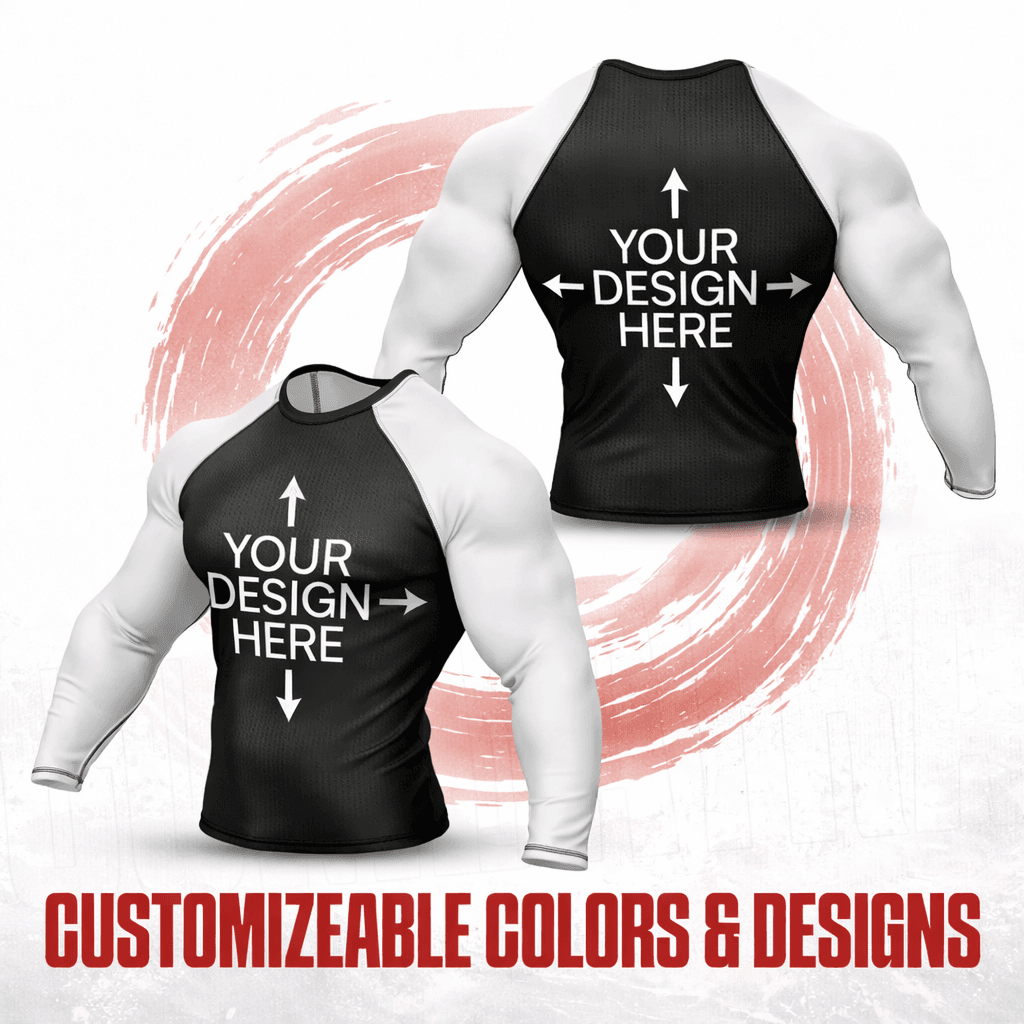
Visit Combatra’s official site to review current rashguard designs and available personalisation. Confirm the exact product specification, artwork options, price and care instructions before ordering.
Frequently Asked Questions
What are the primary benefits of wearing a rashguard for BJJ and MMA training?
A rashguard provides fabric coverage. Other features, including any sun-protection rating, must be checked on the exact product page.
Is a rashguard a substitute for infection-control practices?
No. A rashguard provides fabric coverage, but clean gear and mats, covered wounds, staying off the mat when contagious and medical advice remain essential.
What types of rashguards are available, and how do they differ in performance?
Rashguards come in long-sleeve, short-sleeve and other product-specific styles. Compare fabric, construction, fit, coverage and care instructions to choose a layer for your training conditions.
Why is it important to select a high-quality rashguard for training?
Check the exact garment's fabric, seams, stretch, fit and care instructions. A sample can help assess comfort and construction for the intended training use.