


TL;DR:
- Winter compression gear helps outdoor workers stay warm, support muscles, and maintain mobility during cold-weather tasks. It enhances comfort by increasing skin temperature, reducing muscle soreness, and providing sun protection with UPF 50+ fabrics. Proper layering and fit are essential for safety and maximum performance in Australian winter conditions.
Winter compression gear for outdoor workers is specialised base-layer apparel that maintains warmth, supports muscles, and preserves full mobility during cold-weather tasks. If you work outdoors through an Australian winter, whether on a construction site, in landscaping, or during early-morning training sessions, the right thermal compression wear can mean the difference between a productive shift and a physically draining one.
Rashguards and compression garments have long been tested in combat sports like BJJ and MMA, where compression support, sweat management, abrasion resistance, and durability are non-negotiable. That same performance logic applies directly to outdoor work. Australia’s UV index remains significant even in winter months, so gear rated to AS 4399:2020 and tested at UPF 50+ protects your skin during prolonged sun exposure, not just in summer. The sections below break down the science, the layering system, the garment types, and exactly how to wear them.
What is winter compression gear and why do outdoor workers need it?
Winter compression gear is snug-fitting base-layer apparel engineered to maintain skin temperature, support muscles, and wick moisture away from the body during cold and physically demanding conditions. It is not simply a tight thermal top. The compression element applies gentle, graduated pressure to muscle groups, which reduces muscle oscillation during repetitive tasks and helps workers feel less fatigued over a long shift.
For outdoor workers, the core benefits are practical:
- Thermal retention: Compression fabrics trap a thin layer of warm air close to the skin, slowing heat loss even when wind chill is a factor.
- Moisture wicking: Synthetic and wool-blend compression materials pull sweat away from the skin, keeping you drier and reducing the risk of rapid heat loss from damp clothing.
- Muscle support: Graduated compression reduces the micro-vibrations that accumulate during physical labour, lowering perceived soreness by the end of a shift.
- Mobility without bulk: A well-fitted compression base layer adds warmth without the stiffness of heavy thermals, letting you move freely through the full range of tasks.
- Sun protection: UPF 50+ rated compression garments block solar radiation on exposed arms and legs, which matters on clear winter days when UV levels are still moderate across most of Australia.
Compression gear works best as part of a layering system, not as a standalone solution. Understanding that system is the first step to using it correctly.
What does the science say about cold weather compression apparel?
The research on compression garments in cold environments is consistent on a few key points, even if it is not dramatic. A scoping review of 183 studies found that compression garments increase localised skin temperature and can reduce perceptions of muscle soreness and pain following exercise, though they are unlikely to meaningfully change cardiovascular or metabolic responses. For outdoor workers, that distinction is useful: you are not wearing compression gear to run faster, you are wearing it to feel better and stay warmer across a full working day.
The perceptual recovery benefit is particularly relevant for manual labour. Research into prolonged manual labour exercise found that compression garments produced moderate to large effects on reduced perceived muscle soreness and fatigue in the recovery period following a four-hour simulated labour protocol. Strength measures showed minimal difference between conditions, but workers felt less sore and more ready to work again the next day.
Cold exposure specifically affects muscle performance. A study on next-to-skin garments in cold conditions found that a compression garment reduced jump height loss by 3% compared to no base layer following 40 minutes of exposure at 0°C. The thermal garment in the same study reduced loss by 4%. Neither result is a performance miracle, but both show that wearing something fitted and insulating genuinely blunts the negative effects of cold on muscle function.
Key findings from the research:
- Compression garments increase localised skin temperature and reduce muscle soreness perception after physical work.
- The perceptual recovery effect is the most consistent benefit reported across studies.
- Compression likely reduces muscle oscillatory properties, which may explain improved joint proprioception during demanding tasks.
- No evidence suggests compression garments negatively affect performance or recovery.
How the 3-layer system works with compression base layers
OSHA’s cold weather guidance is built around a three-layer clothing system, and compression gear fits directly into the first layer. Getting the layers right protects you from cold stress, which can progress from discomfort to genuine injury if ignored.
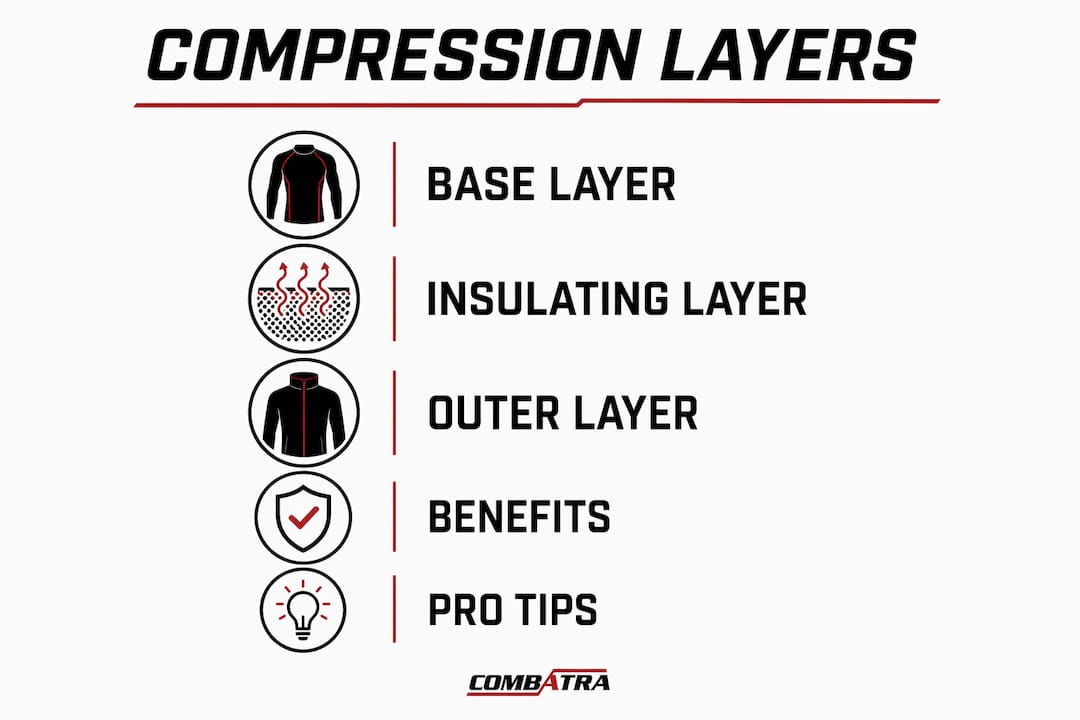
Layer 1: Base layer (compression wear) The inner layer sits against your skin. Its job is moisture management and a degree of insulation. OSHA recommends wool, silk, or synthetic fibres for this layer because they retain insulation even when damp. Cotton fails here completely. A wet cotton base layer accelerates heat loss and puts you at real risk of hypothermia during a long outdoor shift. A compression garment made from polyester, nylon, or a merino wool blend handles this role well.
Layer 2: Insulating layer A mid-layer of wool, fleece, or synthetic fill traps warm air and adds bulk insulation. This layer does not need to be tight. Its function is warmth, not compression.
Layer 3: Outer shell The outer layer blocks wind and rain while allowing some ventilation to prevent overheating during physical work. A breathable, waterproof shell completes the system.
Key points from OSHA’s guidance:
- Avoid tight-fitting clothing that restricts blood flow to fingers and toes, especially for workers with circulation concerns.
- Cotton is unsuitable as a base layer because it loses insulation value when wet.
- Carry extra clothing, including a change of base layers, in case you get wet during the shift.
Pro Tip: Fit your compression base layer snugly but not so tightly that it leaves marks or causes numbness. If your fingers or toes feel cold and tingly within the first hour, the fit is too restrictive. Size up and reassess.
Types of compression garments suited to outdoor work in winter
Different garment types serve different parts of the body and different work conditions. Choosing the right combination depends on your role, your exposure level, and how much you move during the day.
| Garment type | Primary benefit | Best for |
|---|---|---|
| Compression arm sleeves | UV protection, warmth, muscle support for arms | Landscaping, construction, outdoor sports |
| Compression pants (spats) | Full leg warmth, reduced quad and hamstring fatigue | Labouring, site work, cold-morning training |
| Compression shorts | Hip and thigh support, layering under work pants | Active roles, warmer winter days |
| Long-sleeve rashguard | Full upper body compression, moisture wicking, UPF coverage | Outdoor training, sun-exposed roles |
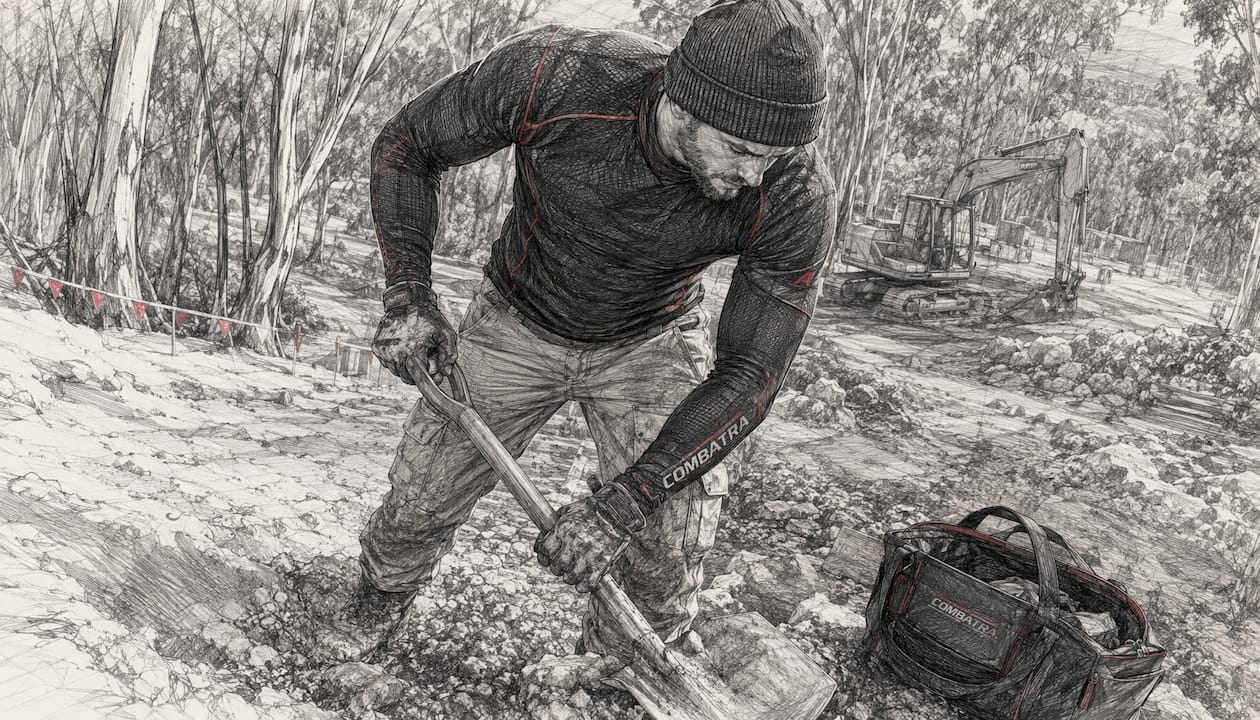
Compression arm sleeves are one of the most practical options for outdoor workers. They add warmth and UPF 50+ sun protection to the forearms without restricting hand movement. You can pull them down when you need full dexterity and push them up when you warm up. Combatra’s compression arm sleeves are built for exactly this kind of flexible use across training and work environments.
Compression pants cover the full leg and work well under standard work trousers on cold mornings. They reduce the fatigue that builds in the quads and hamstrings during repetitive lifting, climbing, or walking. Combatra’s compression pants range is designed with breathable fabrics that manage moisture during high-output tasks.
Compression shorts suit workers in more active roles or on days when full-length pants feel excessive. They layer under work shorts or trousers and support the hip flexors and upper thighs. The compression shorts collection from Combatra covers both training and occupational use.
For sun protection across all garment types, Combatra’s UPF 50+ gear is rated to provide maximum solar protection, which remains relevant on clear winter days across Queensland, New South Wales, and Western Australia.
Pro Tip: Layering compression arm sleeves under a long-sleeve mid-layer gives you two functions in one: the sleeve manages moisture against your skin while the mid-layer adds insulation on top. You can remove the mid-layer as the day warms without losing UV coverage.
For a detailed comparison of arm sleeves versus rashguards for outdoor use, Combatra’s guide on compression sleeves vs rashguards covers the practical differences clearly.
How to wear and layer compression gear in Australian winter conditions
Australian winters vary significantly by region. A worker in Hobart faces genuinely cold mornings with wind chill, while someone in Brisbane may only need a light base layer on the coldest days. The layering principles stay the same; the weight of each layer adjusts to your conditions.
Practical guidance for wearing compression gear effectively:
- Start with a dry base. Put your compression layer on before you start work, not after you have already begun sweating. A damp base layer from the outset defeats the moisture-management function entirely.
- Match fabric weight to temperature. Lightweight synthetic compression suits mild winter mornings. Merino wool blends or heavier compression fabrics suit colder southern states and high-altitude sites.
- Change damp layers promptly. OSHA advises that workers at risk of cold stress who sweat and cannot dry off properly face accelerated heat loss. Carry a spare compression base layer and change it at lunch if needed.
- Take warm breaks regularly. Schedule frequent short breaks in warm, dry areas to allow your core temperature to recover. Drink warm, sweetened fluids during breaks and avoid alcohol.
- Monitor yourself and your workmates. Symptoms of cold stress include numbness, tingling, pain, swelling, leg cramps, and blisters. The buddy system catches problems early.
For athletes and workers who train outdoors in winter, Combatra’s detailed guide on layering compression wear covers cold-weather training layering with sport-specific examples. If you want to see how other cold-weather athletes approach base-layer choices, the approach to building a cold-weather wardrobe used in ice hockey offers useful parallels for outdoor workers dealing with similar wind-chill conditions.
Pro Tip: Schedule your heaviest physical tasks for the warmest part of the day. Your compression base layer will manage moisture better when your body temperature is stable, rather than fluctuating between cold starts and intense exertion.
Combatra’s approach to winter compression and outdoor performance gear
Combatra builds compression apparel from a combat sports foundation, where gear must perform under genuine physical stress, not just look the part. BJJ, MMA, and grappling training demand fabrics that hold their shape, manage sweat across long sessions, and resist abrasion through repeated contact. Those same properties translate directly to outdoor work gear.
Combatra integrates UPF 50+ sun protection into compression garments designed for both combat sports and outdoor conditions. Premium rashguards and arm sleeves may be lab tested to AS 4399:2020, providing maximum-rated solar protection for workers and athletes exposed to Australian UV levels year-round.
The brand’s compression range covers arm sleeves, full-length pants, shorts, and rashguards, all designed for breathability and long-duration wear. Customisation options, including names, logos, and team colours, make Combatra practical for both individual workers and site teams that want consistent, identifiable gear.
Combatra’s educational resources, including guides on layering and compression science, reflect a commitment to helping workers and athletes make informed decisions about their gear, not just sell them something. The best compression wear for winter training guide is a practical starting point for anyone building a winter kit from scratch.
Shop UPF Arm Sleeves from Combatra’s UPF 50+ collection and stay protected through every winter shift.
Key takeaways
Winter compression gear works best as a moisture-managing, muscle-supporting base layer within the OSHA-recommended three-layer system, with UPF 50+ fabrics adding year-round sun protection for Australian outdoor workers.
| Point | Details |
|---|---|
| Compression as base layer | Compression gear fulfils the inner layer role, wicking moisture and retaining warmth when made from wool, silk, or synthetic fabrics. |
| Perceptual recovery benefit | Research across 183 studies shows compression consistently reduces perceived muscle soreness and fatigue after physical work. |
| Jump height protection | A compression garment reduced cold-related jump height loss by 3% compared to no base layer after 40 minutes at 0°C. |
| Fit and circulation safety | OSHA advises against tight-fitting clothing that restricts blood flow to extremities, so correct sizing is a safety issue, not just comfort. |
| UPF 50+ in winter | Australian UV levels remain significant in winter, making UPF 50+ rated compression garments relevant for outdoor workers year-round. |