


TL;DR:
- Rashguards rated UPF 50+ protect Australian combat athletes from skin injuries, infections, and harmful UV rays. They improve hygiene, support muscles, reduce fatigue, and are essential for outdoor training to prevent sun damage. Proper fit, fabric, seams, and regular washing extend their effectiveness and durability.
For BJJ and combat-sports athletes in Australia, a rashguard protects the skin, manages sweat, and supports performance across every training session. The core advantages of rashguards are well established: they reduce friction abrasions and mat burns, act as a hygiene barrier against skin pathogens, wick moisture away from the body, provide compression support for muscles and joints, and offer meaningful sun protection during outdoor sessions. In Australia, where UV levels rank among the highest in the world, premium rashguards tested to AS 4399:2020 and rated UPF 50+ block approximately 98% of solar ultraviolet radiation. Combatra’s internal data shows rashguards reduce skin injuries by 25% in MMA training settings. Each benefit below is explained with practical guidance for training, competition, and outdoor sessions.
Table of Contents
- 1. How rashguards protect your skin from mat burns and abrasions
- 2. How rashguards improve mat hygiene and reduce infection risk
- 3. Compression support, reduced fatigue, and faster recovery
- 4. Moisture-wicking, sweat control, and layering for winter training
- 5. Sun protection and UPF 50+: why AS 4399:2020 matters for Australian athletes
- 6. Fit guidance: tight vs loose, competition cuts, and sizing for BJJ
- 7. Materials, seam construction, and care to extend rashguard lifespan
- 8. How to choose a BJJ rashguard in Australia: a practical checklist
- 9. Research, standards, and what they mean for coaches and athletes
- Key takeaways
- Why rashguards matter more than most athletes realise
- Build your own rashguard with Combatra
- Useful sources, standards, and further reading
1. How rashguards protect your skin from mat burns and abrasions
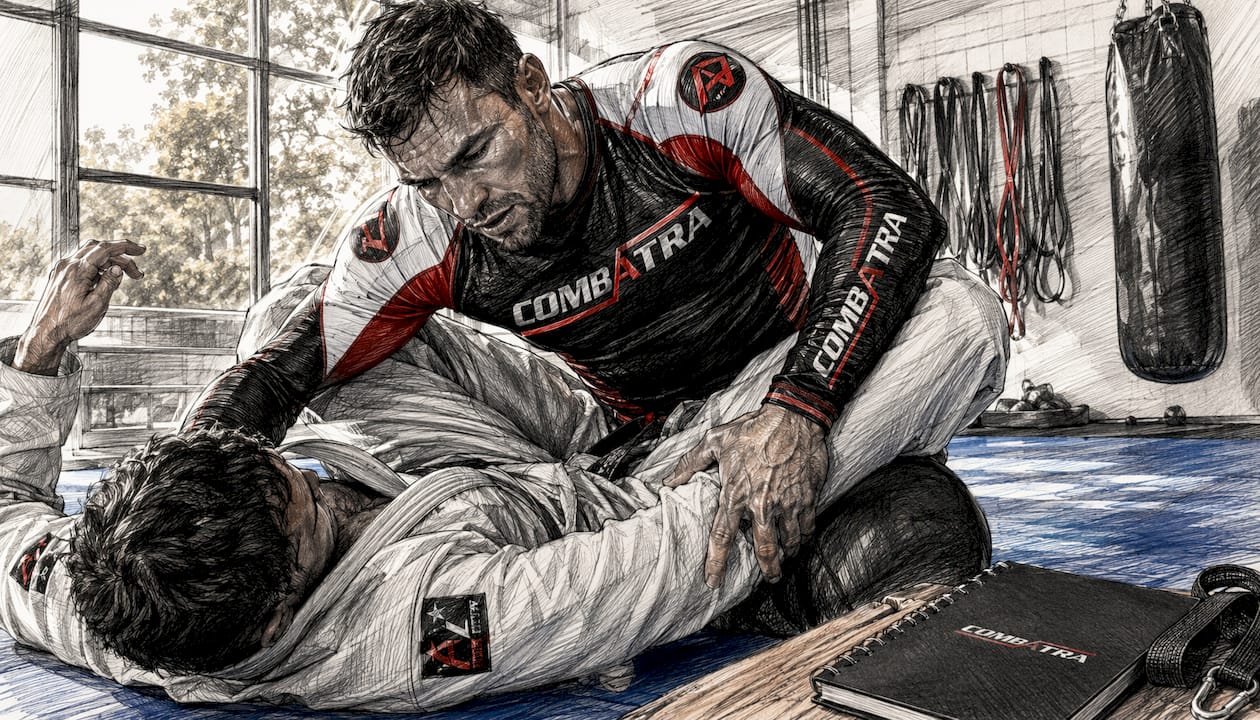
Grappling creates constant skin-on-mat contact. Guard work, scrambles, and takedown drills drag forearms, hips, shoulders, and knees across rough canvas or rubber mats, producing friction abrasions known as mat burns. A rashguard’s tight, smooth fabric sits flush against the skin and absorbs shear force before it reaches the dermis.
The difference between a rashguard and a cotton training tee is significant. Cotton bunches, rides up, and creates pressure points at seams. A well-constructed rashguard uses flatlock stitching, which lies flat against the skin rather than raising a ridge, eliminating the chafe points that cause cuts during extended rolling.
- Forearms and wrists: most exposed during guard passing and grip fighting
- Hips and lower back: dragged across the mat in guard and turtle positions
- Shoulders: contact point in takedowns and sprawls
- Knees: ground contact during knee-on-belly and leg lock entries
Pro Tip: Choose a long-sleeve rashguard for sparring sessions that involve heavy guard work. The extra sleeve coverage protects the forearm and elbow crease, the two areas most prone to friction cuts during collar ties and arm drags.
2. How rashguards improve mat hygiene and reduce infection risk
Sweat and direct skin contact are the primary vectors for staph, ringworm, and other skin infections that circulate through grappling gyms. A rashguard acts as a physical barrier, reducing the area of exposed skin that contacts the mat and your training partners. Combat sports guidance consistently identifies infection prevention as one of the primary reasons athletes wear rashguards.
Laundering discipline matters as much as wearing the garment. Rashguards should be washed after every session, not left in a bag overnight. Cold or warm water (30–40°C) with a mild detergent removes sweat and surface bacteria without degrading the fabric.
Practical hygiene steps for athletes and gym managers:
- Wash rashguards after every single session, never re-wear between washes
- Keep training kit separate from everyday clothing in your bag
- Gym managers: post clear signage requiring rashguards for no-gi classes
- Encourage a spare rashguard in your kit bag for double-session days
- Wipe mats with an appropriate disinfectant before and after class
Pro Tip: Turn your rashguard inside out before washing. This protects sublimated prints and exposes the interior surface, where sweat and bacteria concentrate, directly to the detergent.
3. Compression support, reduced fatigue, and faster recovery
Compression is one of the most practical advantages of wearing rashguards for athletes who train multiple times per week. Graduated compression applies gentle, consistent pressure to muscles, which reduces oscillation during explosive movements. Less muscle vibration means less micro-trauma, which translates to reduced soreness and faster readiness for the next session.
Elastane content drives compression quality. Premium BJJ rashguards typically use a nylon-spandex blend of around 78–82% nylon with 18–22% spandex. That ratio delivers enough stretch for full grappling range of motion while maintaining the snug fit needed for compression benefits.
Key figure: Combatra’s internal analysis reports a 25% reduction in skin injuries when athletes wear rashguards in MMA training settings, reflecting both the protective and performance value of consistent use.
Compression is particularly useful during tournaments, double-session training days, and recovery sessions where muscle support helps athletes stay sharp across multiple matches.
4. Moisture-wicking, sweat control, and layering for winter training
Nylon-spandex and polyester-spandex fabrics move moisture away from the skin through capillary action, spreading it across a larger surface area where it evaporates. Cotton absorbs sweat and holds it against the skin, increasing friction and chilling the body when training stops. A rashguard keeps you drier and more comfortable across the full session.
Wearing a rashguard under the gi is one of the most effective ways to reduce sweat transfer between partners. The rashguard absorbs your sweat before it saturates the gi, keeping the jacket lighter and reducing the damp, clammy contact your training partner experiences during clinch work.
For winter training or outdoor sessions, layering works well:
- Rashguard as the base layer, worn directly against the skin
- Compression shorts or spats underneath gi pants for leg coverage
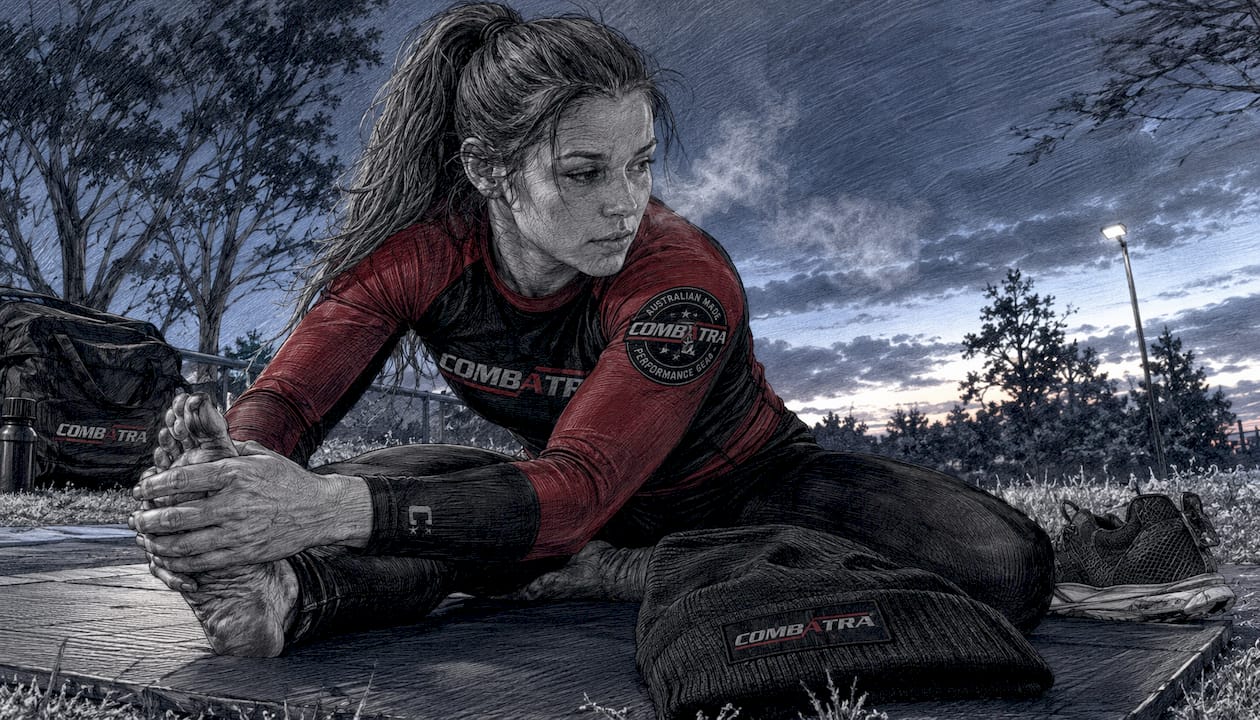
- Long-sleeve rashguard for outdoor morning sessions where temperatures drop before warm-up
Pro Tip: For long-sleeve options in Australian conditions, counterintuitively, a long-sleeve UPF rashguard can feel cooler outdoors than bare skin because it blocks radiant heat while wicking sweat. Short sleeves suit indoor sessions where airflow is good.
5. Sun protection and UPF 50+: why AS 4399:2020 matters for Australian athletes
Australia’s UV index regularly reaches extreme levels, particularly between September and April. Outdoor training, beach sessions, and coaching on exposed fields create prolonged UV exposure that standard sportswear does not address. A rashguard rated UPF 50+ under AS 4399:2020 blocks approximately 98% of solar UV radiation across the fabric it covers.
Key figure: AS 4399:2020 and Cancer Council Australia classify UPF 50+ as “excellent protection,” the highest rating in the standard. UPF ratings apply to unstretched, dry fabric, so fit matters: an overstretched rashguard loses some of that protection.
A systematic review of sun-protection practices in Australasian sport found variable uptake of sun-protective clothing and recommended policy adoption of UPF-rated uniforms in outdoor sport settings. For BJJ academies running outdoor classes or beach training, this is a direct prompt to make UPF rashguards part of the uniform standard.
Practical guidance for UPF rashguards:
- Choose a snug but not overstretched fit to preserve the rated UPF
- Prioritise long-sleeve UPF rashguards for outdoor sessions longer than 30 minutes
- Combine with a broad-spectrum SPF 50+ sunscreen on exposed areas (neck, face, hands)
- Check that the garment carries a visible AS 4399:2020 certification, not just a marketing claim
For more on UPF 50+ gear for outdoor athletes, the protection difference between certified and uncertified garments is substantial.
6. Fit guidance: tight vs loose, competition cuts, and sizing for BJJ
A rashguard should fit like a second skin, close enough that there is no loose fabric to grab, bunch, or ride up during rolling. Loose fabric creates grip points for opponents and bunches under a gi, which defeats the purpose of wearing one. That said, it should not restrict breathing or limit shoulder rotation.
| Measurement to check | What to look for |
|---|---|
| Shoulder seams | Sit at the shoulder point, not drooping onto the arm |
| Sleeve length (long) | Reaches the wrist without pulling when arms are extended |
| Torso length | Stays tucked when you raise both arms overhead |
| Chest/back | Smooth against the skin with no excess fabric |
Competition cuts are shorter and tighter through the torso, designed to stay tucked under a gi and meet IBJJF or ADCC presentation standards. Training cuts allow slightly more room through the chest and shoulders, which suits athletes who prefer a little more comfort during long drilling sessions. If you are between sizes, size down for competition use and size up for training comfort.
7. Materials, seam construction, and care to extend rashguard lifespan
Fabric blend determines how a rashguard performs over time. Nylon-spandex blends offer superior abrasion resistance and a softer hand feel, making them the preferred choice for grappling. Polyester-spandex blends are slightly more durable against UV degradation and hold sublimated prints well, which matters for custom team gear. Both perform well for moisture management.
Flatlock seams are the construction standard for quality rashguards. The seam lies flat rather than folding over itself, eliminating the raised ridge that causes chafing during extended rolling. A 4-needle flatlock stitch distributes stress across more thread, reducing the chance of seam failure under the lateral forces of grappling.
Care instructions that preserve both UPF and elastane:
- Wash in cold or warm water (30–40°C), never hot
- Use a mild detergent; avoid bleach, fabric softener, and enzyme-based cleaners
- Line dry in shade; tumble drying degrades elastane and reduces UPF performance
- Do not iron directly on printed areas
- Store flat or loosely rolled, not compressed in a tight bag for extended periods
Pro Tip: Avoid soaking rashguards in chlorinated water for extended periods. Chlorine degrades spandex fibres faster than regular washing, which shortens the garment’s compression life.
8. How to choose a BJJ rashguard in Australia: a practical checklist
Buying the right rashguard comes down to matching the garment’s specifications to your actual training conditions. Here is a step-by-step checklist for Australian athletes and academy managers.
- Intended use: indoor no-gi training, outdoor sessions, or under a gi? Each use case changes the priority (compression vs UPF vs fit).
- UPF rating: for any outdoor training, confirm the garment carries AS 4399:2020 certification and a UPF 50+ rating, not just a marketing label.
- Fabric blend and elastane %: look for 18–22% spandex for compression; lower elastane means less recovery and a looser fit over time.
- Seam construction: flatlock seams only; avoid overlocked seams that raise a ridge against the skin.
- Sizing: use the measurement checklist from Section 6; when in doubt for competition, size down.
- Anti-microbial finish: useful for athletes training daily; check that the finish is wash-durable, not a surface treatment that fades after a few cycles.
- Print method: sublimation printing bonds colour into the fabric and does not crack or peel; heat-transfer prints degrade faster under repeated washing.
- Team and custom orders: confirm the supplier offers sublimation customisation, can accommodate bulk sizing, and provides a sample before full production.
Red flags to avoid: garments marketed as “training tees” with loose cuts and cotton blends, UPF claims without a visible AS 4399:2020 reference, and seams that feel raised or rough before you even train in them.
Pro Tip: For academy orders, always request a sample garment in your most common size before committing to a full team run. Check the seams, stretch recovery, and print quality after one wash.
9. Research, standards, and what they mean for coaches and athletes
The evidence supporting rashguard use draws from Australian sun-safety standards, compression garment research, and sport-specific hygiene guidance.
Key figure: ARPANSA confirms that UPF ratings apply to unstretched, dry fabric, and that protection may reduce when fabric is wet or stretched. This is why fit and fabric quality both matter for sun protection, not just the rating label.
| UPF rating | Protection category | UV radiation blocked |
|---|---|---|
| — | Good | — |
| — | Very good | — |
| UPF 50+ | Excellent | approximately 98% |
Key sources for coaches and equipment managers:
- AS 4399:2020 (Standards Australia): the governing standard for sun-protective clothing ratings in Australia
- ARPANSA: provides guidance on UPF testing methodology and practical limitations of ratings
- Cancer Council Australia: publishes accessible guidance on UPF 50+ and sun-safe uniform design
- PMC systematic review (2023): documents low sun-protection uptake in Australasian sport and recommends UPF uniform policies
- Compression garment research: consistent evidence that graduated compression reduces muscle oscillation and supports venous return during and after high-intensity exercise
Key takeaways
Rashguards rated UPF 50+ under AS 4399:2020 are the most complete training garment for Australian BJJ and combat-sports athletes, combining skin protection, hygiene, compression, and sun safety in a single piece of gear.
| Point | Details |
|---|---|
| Skin and abrasion protection | Flatlock seams and smooth fabric reduce mat burns and friction cuts across forearms, hips, and shoulders. |
| Hygiene and infection control | Rashguards act as a barrier against sweat transfer and skin pathogens; wash after every session. |
| Compression and recovery | 18–22% spandex content delivers muscle support that reduces soreness across multi-session training weeks. |
| UPF 50+ sun protection | AS 4399:2020-certified rashguards block approximately 98% of UV radiation; fit snugly to preserve the rating. |
| Combatra custom rashguards | Combatra’s Design Your Own Rashguard combines UPF 50+, flatlock seams, and sublimation printing for individual athletes and academy teams. |
Why rashguards matter more than most athletes realise
The conventional wisdom treats rashguards as optional kit, something you wear when you remember to pack one. That framing undersells what a well-made rashguard actually does in training. Skin infections circulate through grappling gyms faster than most coaches acknowledge, and the barrier a rashguard provides is one of the simplest interventions available. The compression and moisture management benefits compound over a full training week in ways that a single session does not reveal.
For Australian athletes specifically, the sun-protection angle is not a marketing add-on. Outdoor training, beach sessions, and summer camps create real UV exposure that accumulates over a career. A garment tested to AS 4399:2020 and rated UPF 50+ is a practical health decision, not a premium upgrade. The athletes who treat their rashguard as core kit rather than optional gear tend to train more consistently, recover faster, and stay healthier across a season. That is the real case for investing in the right one.
Combatra’s focus on performance-tested UPF 50+ fabrics and custom team options reflects what athletes and academy managers actually ask for: gear that works under real conditions, holds up to daily washing, and represents the team properly on the mat.
Build your own rashguard with Combatra
Athletes who train seriously deserve gear built to the same standard. Combatra’s custom rashguard builder lets you configure UPF 50+ protection, choose your fabric blend, and add team branding through sublimation printing that will not crack or peel after repeated washing. Every garment uses flatlock seam construction and compression-grade elastane, the same specifications covered throughout this article.
For academy teams, bulk orders are available with consistent sizing across the squad and full logo customisation. Individual athletes can build a single garment with their name, academy colours, and preferred sleeve length. Head to the Design Your Own Rashguard page to configure your gear and get a quote for team orders.
Useful sources, standards, and further reading
These resources are worth bookmarking for coaches, equipment managers, and athletes making uniform decisions.
| Source | What it covers |
|---|---|
| AS 4399:2020 (Standards Australia) | The governing Australian standard for UPF classification and sun-protective clothing testing |
| ARPANSA — sun-protective clothing | UPF testing methodology, practical limitations of ratings, and fit guidance |
| Cancer Council Australia — sun-protective clothing | Accessible UPF 50+ guidance and sun-safe uniform design recommendations |
| PMC systematic review — sun protection in sport | Evidence on low sun-protection uptake in Australasian sport; recommends UPF uniform policies |
| Combatra — UPF 50+ rashguard explained | Brand guidance on UPF 50+ meaning, testing, and athlete application |
For athletes making buying decisions, the sunburn prevention guide for outdoor athletes covers practical sun-safety steps that complement UPF-rated gear. Coaches setting uniform policy for outdoor academies should read the PMC systematic review alongside the Cancer Council guidance before finalising kit requirements.