


Cold weather training in Australia presents a specific challenge: you need warmth, compression, and UV protection all at once. The best arm sleeves for cold weather training deliver all three without bulk or restriction. After reviewing the top options available in Australia, the standout picks are the PEARL iZUMi Elite Thermal Arm Sleeve Warmers for pure insulation, the Combatra Compression Arm Sleeves for athletes who need certified UPF 50+ protection with a custom fit, and the Condor Merino Arm Sleeves for natural fibre warmth. The comparison below covers all eleven options across the dimensions that matter most for outdoor training.
| Product | Best for | Compression | Warmth | Material | UPF Rating |
|---|---|---|---|---|---|
| Nike Pro Elite Arm Sleeve 2.0 | High-intensity training, moderate cold | Moderate–high | Moderate | Synthetic compression knit | Not rated |
| PEARL iZUMi Elite Thermal Arm Sleeve Warmers | Extended winter outdoor sessions | Moderate | High | Thermal fleece-lined synthetic | Not rated |
| New Balance Outdoor Sports Compression Arm Sleeves | Outdoor running and cycling, cool weather | Moderate | Moderate | Breathable synthetic blend | UPF 50+ |
| Compression Z UV Protection Arm Sleeves | Sun protection, light cold weather | Light–moderate | Low | Lightweight UV-certified fabric | UPF 50+ |
| Sportstrail Cooling Arm Sleeves | Variable temperatures, summer-cold runs | Light | Low–moderate | Cooling microfibre | UPF 50+ |
| Combatra Compression Arm Sleeves | Combat sports, outdoor training, custom fit | Moderate–high | Moderate | Performance UPF fabric, AS 4399:2020 tested | UPF 50+ |
| Condor Merino Arm Sleeves | Cold weather, natural fibre warmth | Light–moderate | High | Merino wool | Not rated |
| Yahenda 6-Piece Neck Gaiter and Arm Sleeves | Coordinated cold weather accessories | Light | Moderate | Polyester blend | UPF 50+ |
| SParms UPF50+ Arm Sleeves (White, Pair) | Daily outdoor training, strong sun | Light–moderate | Low–moderate | Sun-protective knit | UPF 50+ |
| SParms UPF50+ Shoulder Wrap (Connected Sleeves) | Extended sun and wind exposure | Light | Low | Integrated coverage fabric | UPF 50+ |
| SParms UPF50+ Everyday Sleeves | Everyday outdoor activities | Light–moderate | Low–moderate | Comfortable sun-protective knit | UPF 50+ |
What separates the best cold weather arm sleeves from the rest?
Choosing the right arm sleeve for cold weather training comes down to three things: how well it retains heat, how much compression it delivers, and whether its UPF rating holds up under real training conditions. Most sleeves perform adequately when dry and still. The gap between a good sleeve and a great one shows up when you are sweating, stretching, and pushing through a two-hour session in a cool morning wind.
Compression level and warmth
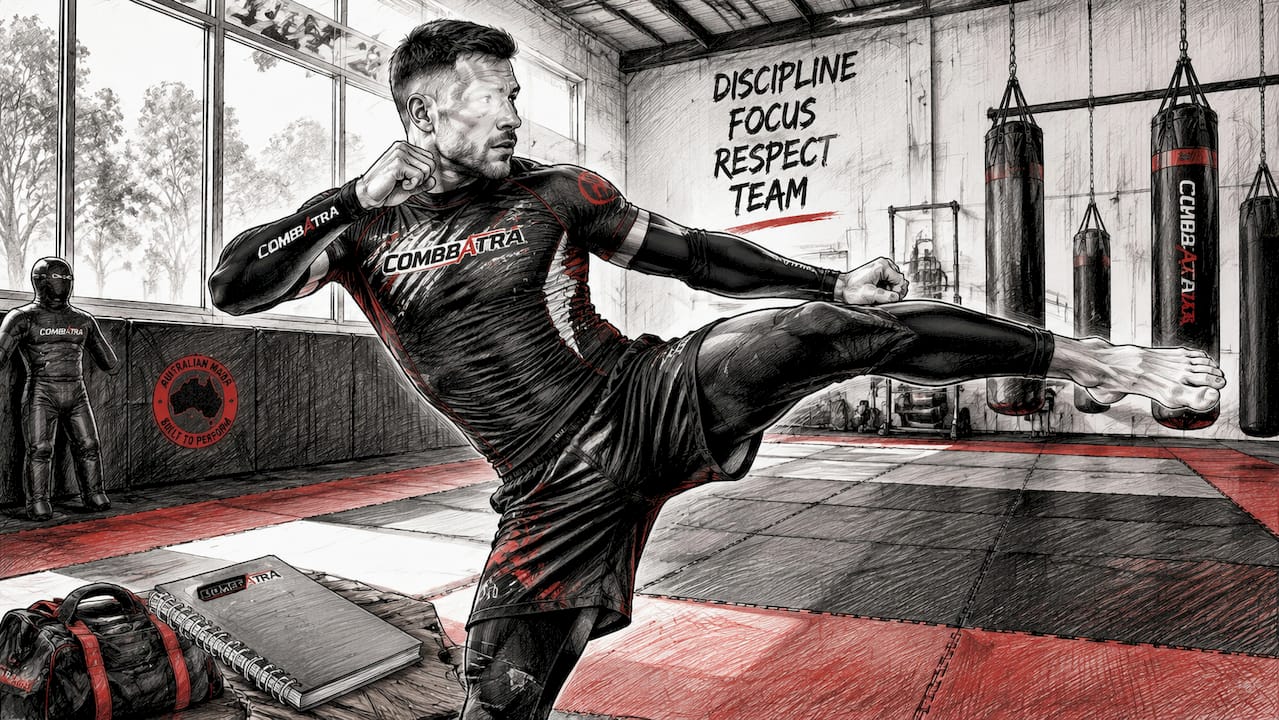
The PEARL iZUMi Elite Thermal Arm Sleeve Warmers lead the field for insulation. Their fleece-lined thermal fabric keeps muscles warm during extended outdoor sessions in cold conditions, making them the go-to for winter runners and cyclists who spend more than an hour outside. Nike Pro Elite Arm Sleeve 2.0 sits in a different lane: it prioritises compression and muscle support over warmth, which suits high-intensity training where you generate your own heat quickly.
Condor Merino Arm Sleeves offer something neither of those do. Merino wool regulates temperature naturally, warming you when cold and venting when you heat up. The trade-off is lighter compression compared to synthetic options. For trail runners and hikers who face variable conditions, that self-regulating quality is worth the compression compromise.
UPF protection under Australian conditions
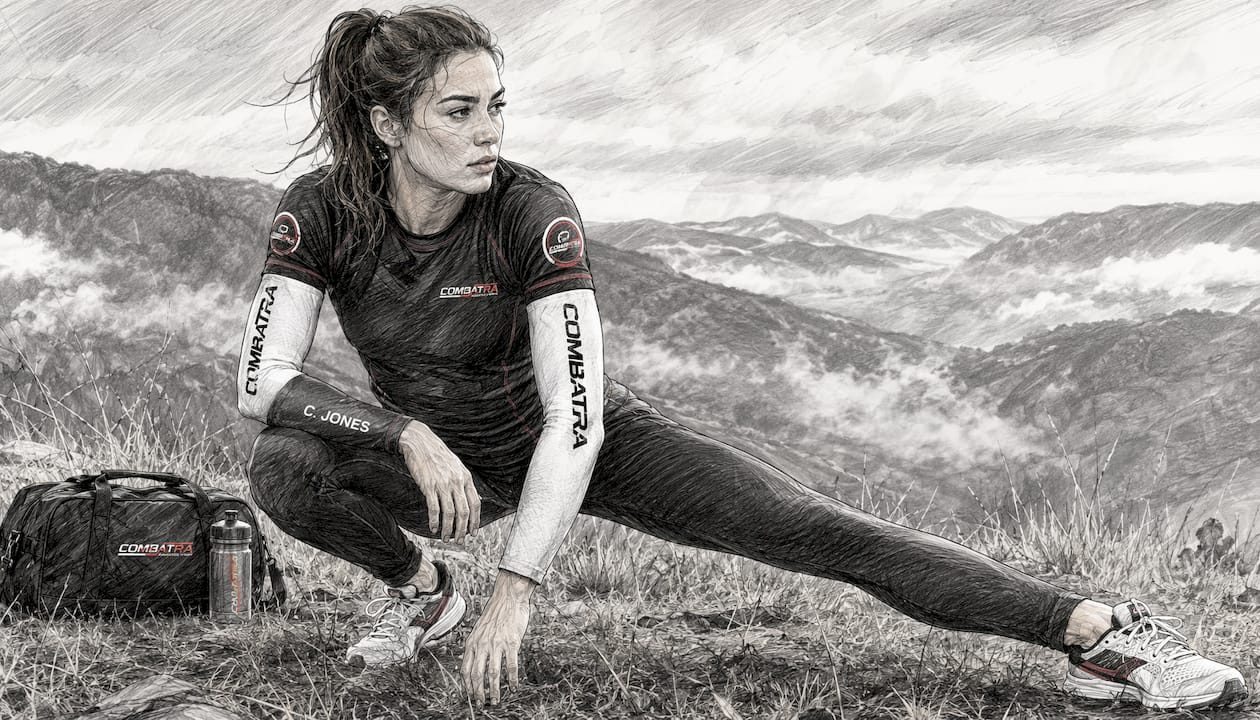
Australia’s UV index regularly reaches extreme levels, even in winter. Under AS 4399:2020, a UPF 50+ rating means the fabric blocks nearly all UV radiation. That standard is the benchmark for any sleeve you plan to wear outdoors for extended periods. New Balance Outdoor Sports Compression Arm Sleeves, Compression Z UV Protection Arm Sleeves, Sportstrail Cooling Arm Sleeves, Combatra Compression Arm Sleeves, and all three SParms options carry that rating.
One detail most buyers miss: UPF ratings are measured on dry, unstretched fabric. Stretching the fabric during use reduces the UV radiation blocked. This matters for compression sleeves specifically, because a tight fit is the whole point. Premium fabrics and correct sizing reduce this effect, but they do not eliminate it entirely.
The Combatra Compression Arm Sleeves
For athletes who train across both combat sports and outdoor environments, the Combatra Compression Arm Sleeves offer a specific advantage: they are lab tested to AS 4399:2020 and rated UPF 50+, with a customisable fit that accounts for the compression-stretch trade-off. You can design your own sleeves with team colours, logos, and sizing tailored to your arm measurements. That level of personalisation is not available from any other option on this list. For BJJ athletes, MMA fighters, and outdoor trainers who want gear that crosses over between the mat and the trail, Combatra is the strongest fit.
SParms range
SParms offers three distinct products. The UPF50+ Arm Sleeves (White, Pair) are the most affordable entry point for reliable sun protection during daily outdoor training. The UPF50+ Shoulder Wrap (Connected Sleeves) extends coverage to the shoulder and upper arm, useful for athletes with high sun exposure on the shoulders. The UPF50+ Everyday Sleeves are the most versatile of the three, comfortable enough for all-day wear and consistent enough for training sessions.
Yahenda 6-Piece Neck Gaiter and Arm Sleeves
The Yahenda set suits athletes who want a coordinated cold weather kit without buying each piece separately. The value pack includes matching neck gaiter and sleeves, which is practical for runners who want consistent coverage from chin to wrist. Compression is light, so this is not the choice for athletes prioritising muscle support.
Compression Z and Sportstrail
Compression Z UV Protection Arm Sleeves are built for sun protection first, with lightweight construction that keeps them comfortable in mild cold. Sportstrail Cooling Arm Sleeves use a cooling microfibre that manages temperature well in variable conditions, particularly useful for morning runs that start cold and warm up quickly.
Compression and recovery: what the research says
Research shows that blood lactate concentrations were approximately 36.83% lower during recovery when compression garments were worn compared to without. That is a meaningful recovery benefit for athletes training multiple sessions per week. Separately, a randomised controlled trial found that graduated compression sleeves did not enhance muscle torque, work, or power during high-intensity exercise based on the study, but they did not hinder performance either. The practical takeaway: wear compression sleeves for recovery and circulation benefits, not as a performance booster during the session itself.
How to choose the right arm sleeve for cold weather training
Picking the right sleeve is not just about warmth. The following criteria will help you match a product to your specific training conditions and body.
Compression fit and sizing
Compression sleeves must fit snugly without cutting off circulation or sliding down during movement. A sleeve that is too loose loses its compression benefit. One that is too tight over-stretches the fabric, which reduces UV protection and can restrict blood flow. Measure your arm circumference at the widest point of the bicep and at the forearm before selecting a size. Most brands provide sizing charts; follow them precisely rather than defaulting to your usual clothing size.
Insulation and breathability
For cold weather training, you want a sleeve that retains warmth without trapping sweat against the skin. Thermal synthetic fabrics like those in the PEARL iZUMi Elite Thermal Arm Sleeve Warmers trap heat effectively. Merino wool, as used in the Condor Merino Arm Sleeves, manages moisture naturally and resists odour over longer sessions. Lightweight UV fabrics, such as those in the Compression Z and SParms ranges, prioritise breathability over insulation and suit milder winter days rather than deep cold.
UPF coverage and sleeve length
Under AS 4399:2020, sleeves must cover more than three-quarters of the upper arm to qualify for an upper-body UPF rating. If your sleeve ends mid-bicep, the exposed skin above receives no protection from the garment. Check that the sleeve reaches close to the shoulder, particularly if you are training in direct sun for more than 30 minutes.
Durability and fabric care
- Wash compression sleeves in cold water on a gentle cycle to preserve elasticity.
- Avoid tumble drying; heat degrades compression fibres and reduces UPF effectiveness over time.
- Store sleeves flat or rolled, not folded tightly, to prevent permanent creasing of the compression weave.
- Inspect sleeves regularly for thinning or pilling, which signals reduced UV protection even if the garment looks intact.
- Replace sleeves when they no longer return to their original shape after washing.
Material and breathability checklist
- Thermal synthetic: best for cold, extended sessions; lower breathability.
- Merino wool: best for variable temperatures; natural moisture management.
- Lightweight UV fabric: best for mild cold and sun protection; highest breathability.
- Cooling microfibre: best for variable morning-to-midday conditions.
Pro Tip: Select a sleeve one size smaller than your measurement suggests if you are between sizes. A slightly firmer fit maintains better UV protection under stretch, provided it does not restrict circulation. Confirm by checking that you can slide two fingers under the sleeve at the wrist.
How to use and care for your arm sleeves in cold weather
Getting the most from your sleeves comes down to how you wear, layer, and look after them.
Wearing technique
- Pull the sleeve on from the wrist end, not the top. Rolling it down from the bicep stretches the fabric unevenly and distorts the compression gradient.
- Smooth out any bunching at the elbow crease before you start training. Bunching creates pressure points and reduces coverage.
- For BJJ or MMA training, tuck the sleeve under your rashguard cuff to prevent it riding up during grappling.
Layering for variable temperatures
Cold morning runs often warm up significantly by the time you finish. Arm sleeves are designed to be removed mid-session without stopping. Fold the sleeve down to the wrist rather than pulling it off entirely; this keeps it accessible if the temperature drops again. For layering compression wear effectively, wear the sleeve under a lightweight wind jacket rather than over it. The jacket traps warmth against the sleeve, and the sleeve’s compression still acts directly on the muscle.
Managing sweat inside the sleeve
- Choose moisture-wicking fabrics for sessions longer than 45 minutes.
- If your sleeves feel damp mid-session, briefly pull them down to the forearm to vent, then return them to position.
- Avoid applying sunscreen directly under the sleeve; it degrades the fabric’s UV-blocking properties over time.
Washing and storage
- Rinse sleeves in cold water immediately after training to remove sweat and sunscreen residue.
- Machine wash on a gentle, cold cycle with a mild detergent. Avoid fabric softeners, which coat compression fibres and reduce elasticity.
- Air dry flat, away from direct sunlight. UV exposure during drying degrades the fabric’s protective properties faster than normal wear.
- Store in a breathable bag or drawer, not compressed in a tight space for extended periods.
Australian insights on compression and UPF protection for outdoor athletes
Australia’s UV environment makes sun protection a year-round concern, not a summer afterthought. The UV index in many Australian cities reaches moderate to high levels even in winter, particularly between 10 AM and 2 PM. Wearing a UPF 50+ sleeve during a midday run in june or july is not overcaution; it is appropriate for the conditions.
Under AS 4399:2020, the three UPF tiers are UPF 15 (blocks 93.3% of UV), UPF 30 (blocks 96.7%), and UPF 50+ (blocks at least 98%). The difference between UPF 30 and UPF 50+ is meaningful for athletes spending two or more hours outdoors. A sleeve rated UPF 30 allows roughly twice the UV through compared to a UPF 50+ garment. For outdoor training in Australia, UPF 50+ is the practical minimum.
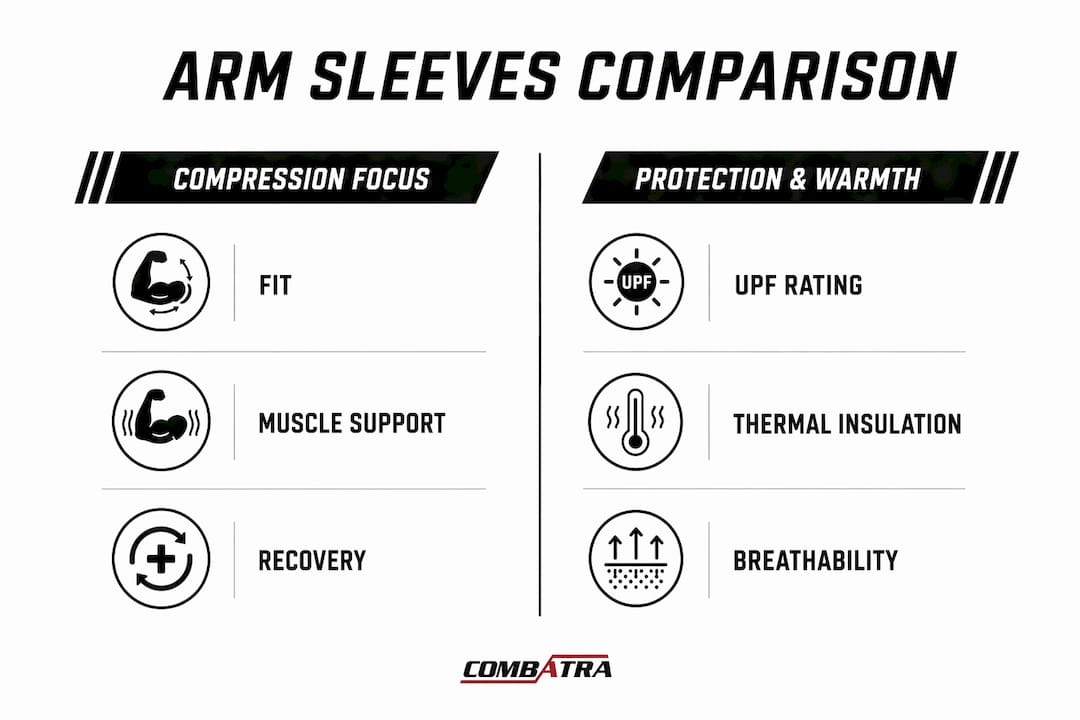
Combatra’s compression arm sleeves are lab tested to AS 4399:2020 and rated UPF 50+, which places them among the few options on this list with verified, independently assessed protection. That matters because marketing claims of “UV protection” without a certified rating are not equivalent to a tested UPF 50+ result.
Compression benefits extend beyond sun protection. Arm compression sleeves improve circulation, reduce muscle vibration, and support endurance and fatigue management during training. The recovery benefit is well supported: blood lactate removal is faster with compression, which means less soreness between sessions. For athletes training BJJ, MMA, or running multiple times per week, that recovery advantage compounds over a training block.
Key fact: SunSmart guidelines confirm that stretched or wet fabric offers less UV protection than the rated value. Athletes who rely on compression sleeves for sun protection should choose correctly sized, tightly woven fabrics and reapply sunscreen to any exposed skin above the sleeve’s coverage area.
For a deeper look at how UV arm sleeves compare to long sleeve shirts for outdoor training, the protection trade-offs are worth understanding before you commit to a sleeve-only approach.
Combatra arm sleeves: built for Australian outdoor athletes
If you train outdoors in Australia and you want a sleeve that covers compression, UPF protection, and durability without choosing between them, Combatra’s compression arm sleeves are worth a close look. They are lab tested to AS 4399:2020, rated UPF 50+, and fully customisable with your name, team colours, or academy logo. That makes them practical for both individual athletes and group training environments.
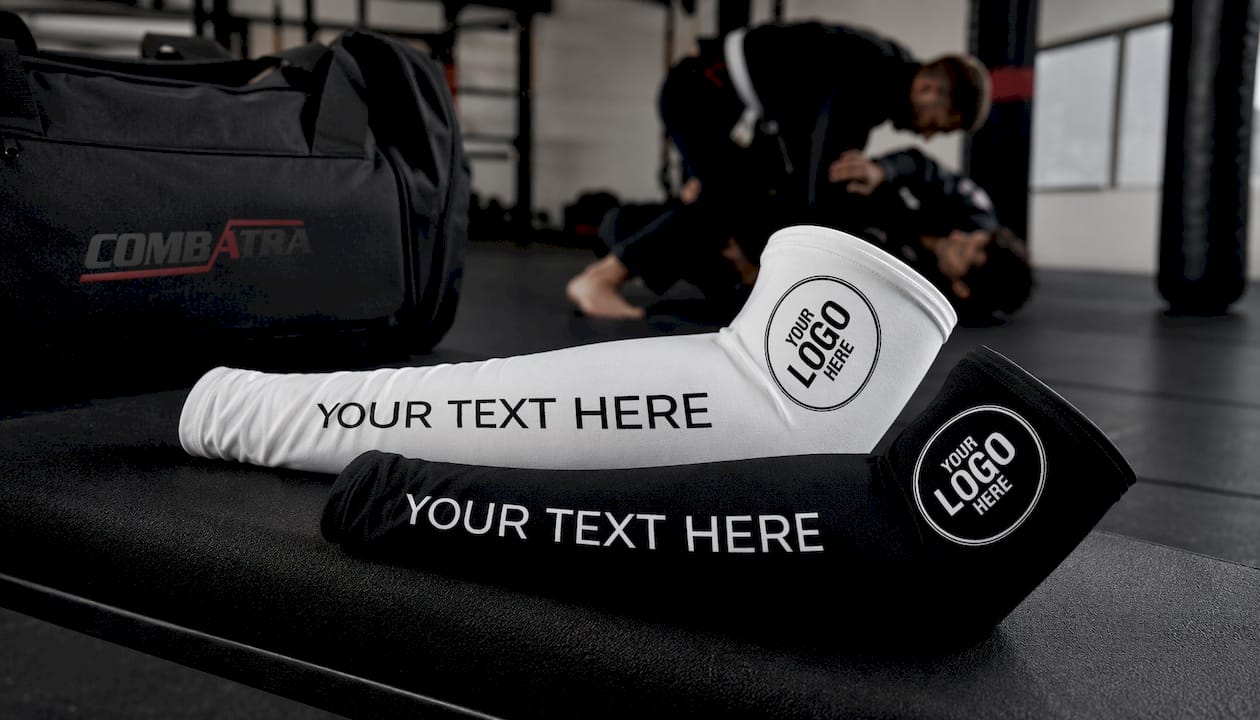
The key difference from most options on this list is the customisation. You are not choosing from a fixed size run and a handful of colours. You specify the fit, the design, and the coverage, which means the sleeve works for your arm dimensions rather than a generic template. For BJJ athletes, MMA fighters, and outdoor runners who want gear that performs across both the mat and the trail, Combatra’s UPF arm sleeves are built for exactly that crossover. Explore the full range of UPF 50+ gear to find options that suit your training environment.
Key takeaways
The best arm sleeves for cold weather training combine certified UPF 50+ protection, appropriate compression, and insulation suited to your specific training conditions and duration.
| Point | Details |
|---|---|
| UPF 50+ blocks at least 98% UV | Under AS 4399:2020, UPF 50+ means the fabric blocks at least 98% of UV radiation and is the minimum standard for all-day outdoor sun protection in Australia. |
| Compression aids recovery, not peak output | Blood lactate was 36.83% lower during recovery with compression, but compression does not increase muscle torque or power during exercise. |
| Stretch reduces UV protection | Fabric stretched during training blocks less UV than rated; correct sizing and tightly woven fabrics reduce this effect. |
| Sleeve length matters for coverage | AS 4399:2020 requires sleeves to cover more than three-quarters of the upper arm to qualify for a UPF rating. |
| Combatra offers certified custom fit | Combatra Compression Arm Sleeves are AS 4399:2020 tested, UPF 50+ rated, and fully customisable for individual athletes and teams. |