


TL;DR:
- Most beginner BJJ students can wear fitted athletic clothing or borrow a gi for trial classes. Hygiene protocols like wearing rashguards, washing gear, and removing jewelry are mandatory for safety and cleanliness. Training gear should focus on fit and durability, with full commitment coming after several classes.
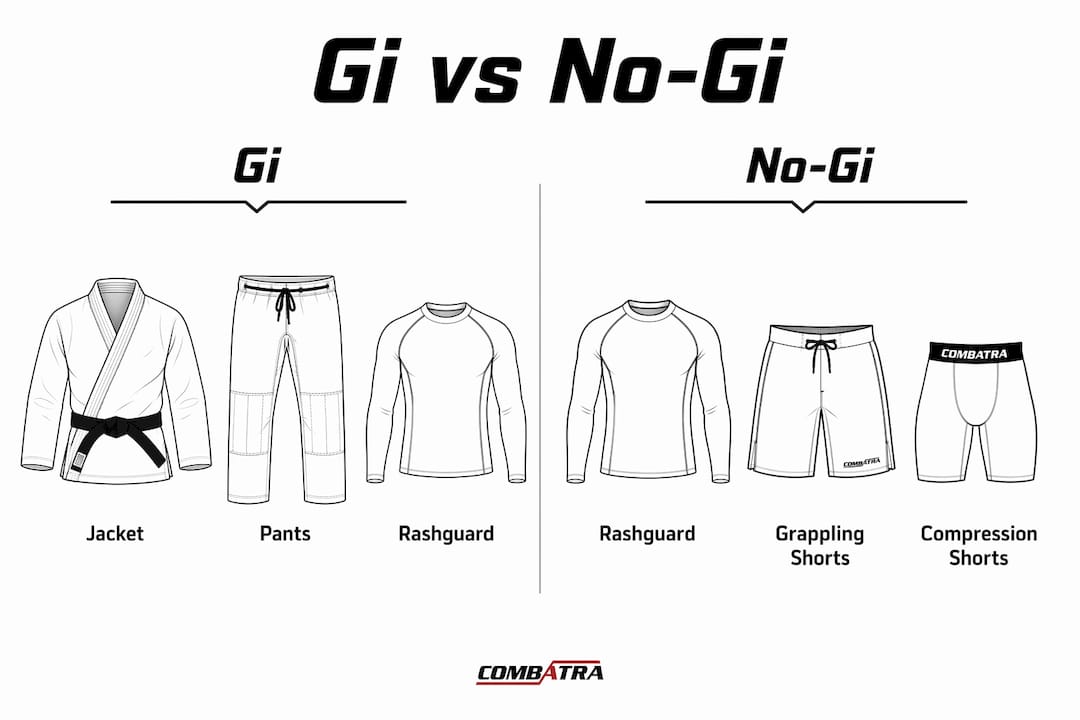
Your BJJ class attire is defined by one choice: gi or no-gi. Getting that choice right on day one means you arrive comfortable, safe, and ready to learn. The right gear also protects your training partners and keeps you on the right side of your gym’s hygiene rules. A rashguard is the single most versatile piece of kit you can own for either format. It provides compression support, manages sweat, resists abrasion, and holds up through hundreds of rolls. For Australians training outdoors or during summer, premium rashguards tested to AS 4399:2020 and rated UPF 50+ add a layer of sun protection that cotton simply cannot match. Whether you are stepping onto the mats for the first time or deciding between gi and no-gi classes, this guide covers exactly what to wear, what to bring, and what to leave at home.
What should beginners wear to their first gi BJJ class?
Most academies do not require you to own a gi for your first class. Over 90% of gyms allow trial classes in fitted tees or rashguards and pocket-free shorts before you purchase anything. That figure matters because it removes the financial barrier to trying BJJ for the first time. You can walk in, borrow a loaner gi, and decide if the sport suits you before spending a cent on gear.
When you do borrow or buy a gi, wear a rashguard underneath the jacket. The rashguard sits against your skin, wicks sweat away from your body, and prevents direct skin contact with the gi fabric during extended rolls. This is a hygiene standard, not a preference. Most gyms expect it.
Once you decide to commit, invest in a purpose-built BJJ gi. IBJJF standards define competition-grade gis, and beginner gis typically cost around $80–$120. The fabric is woven to withstand gripping and tension during rolls. A karate or judo gi will not hold up to the same stress and will wear out quickly.
Here is what to wear for your first gi class:
- A loaner gi from the academy, or a fitted athletic t-shirt if the gym permits
- A snug rashguard worn under the gi jacket
- Pocket-free shorts or compression shorts under the gi pants
- No jewellery, watches, or metal accessories of any kind
- Flip-flops to wear between the mats and the change rooms
Pro Tip: Ask your academy ahead of time whether they provide loaner gis. Most do for trial classes, but some smaller gyms do not. Knowing this saves you from arriving underprepared.
When you are ready to buy your own gi, Combatra’s premium BJJ gis are built for the grip demands of real training, with durable fabric and a fit designed for movement on the mats.
What to wear for no-gi BJJ classes
No-gi BJJ has a clear attire standard: a tight-fitting rashguard and grappling shorts without pockets or zippers. Synthetic moisture-wicking fabrics prevent skin irritation and minimise grip hazards that loose clothing creates. Cotton is actively discouraged because it absorbs sweat, becomes heavy, and can tear during training.
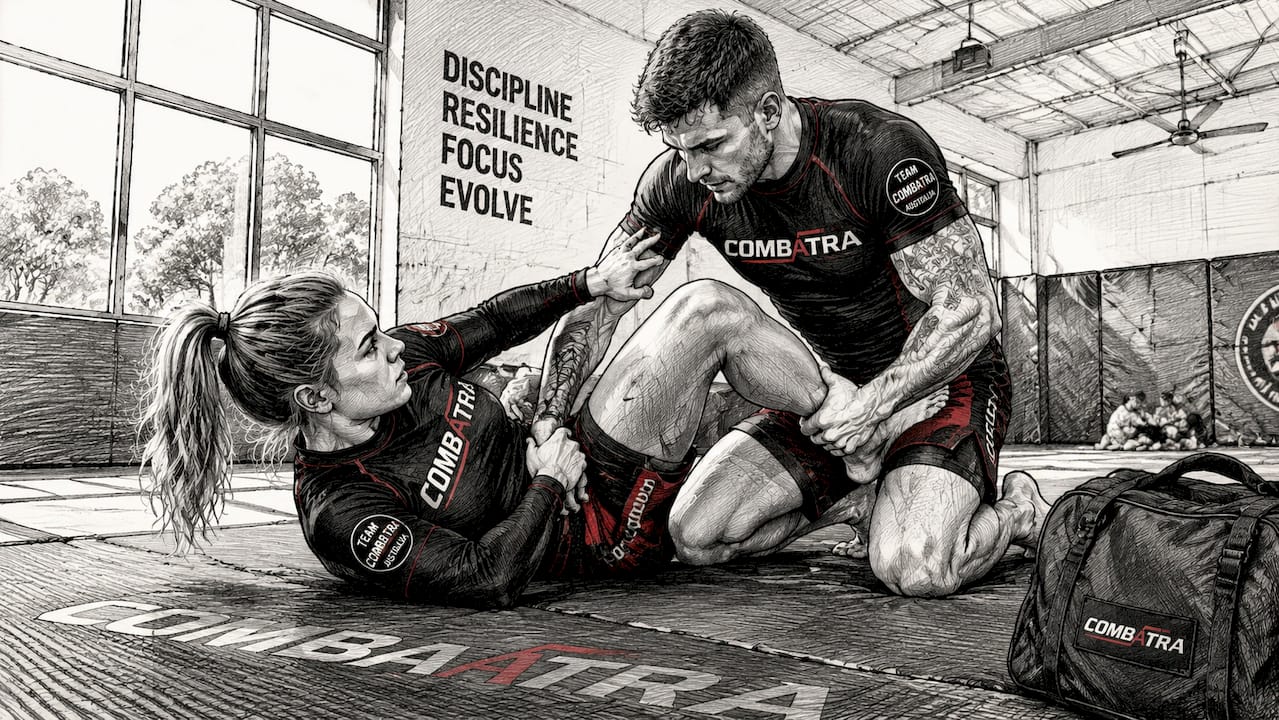
The reasoning behind these standards is practical, not aesthetic. Comfort and safety drive the specific clothing rules in BJJ, not tradition alone. Loose fabric catches fingers and toes during fast-paced grappling, which creates injury risk for both athletes.
Here is what to wear for no-gi training:
- A fitted rashguard, short-sleeved or long-sleeved depending on preference
- Grappling shorts with a flat waistband and no metal hardware
- Compression shorts or spats worn underneath for added protection against mat burns
- No zippers, buttons, or snaps on any clothing item
- No loose t-shirts or basketball shorts
Compression shorts worn under grappling shorts protect your inner thighs from mat friction during guard work and takedowns. Combatra’s compression shorts are cut for full range of motion and stay in place through extended rounds. For a detailed breakdown of no-gi attire choices, the no-gi beginner guide covers material standards and fit in depth.
Pro Tip: Long-sleeved rashguards offer more skin coverage and reduce mat burn on your forearms during guard passing. If you are new to grappling, a long-sleeved option is worth considering for your first few sessions.
Compression apparel minimises friction, reduces injury risk, and improves comfort in both gi and no-gi training. That is a meaningful benefit when you are spending 60 to 90 minutes on the mats.
Critical hygiene protocols for your first BJJ class
BJJ gyms maintain strict hygiene standards because close-contact training creates real infection risk. Staph and ringworm are the two most common concerns, and most gyms mandate specific protocols to reduce transmission. Following these rules is not optional. Ignoring them puts your training partners at risk and will get you asked to leave.
Follow these hygiene steps before every class:
- Remove all jewellery, rings, earrings, and watches before stepping on the mats.
- Trim your fingernails and toenails short. Long nails scratch skin and can cause eye injuries.
- Wear flip-flops between the mats and the bathroom. Flip-flops prevent bacterial transfer from bathroom floors to the training surface.
- Wash all training gear after every single session. Sweaty gear left overnight becomes a breeding ground for bacteria.
- Shower as soon as possible after training. Do not sit in your training clothes for hours after class.
- Bring a clean water bottle. Shared water sources are a hygiene risk.
Metal hardware on clothing is a hazard that can injure training partners and damage mats, which is why zippers, buttons, and snaps are banned from the mats entirely. Check every item of clothing before you arrive.
Pro Tip: If you have piercings you cannot remove, cover them with sports tape before training. Tape is cheap and prevents the kind of injury that ends a session early for both athletes.
A mouthguard is optional for your first class but worth considering if you plan to spar. Most beginners do not spar on day one, but having one ready shows preparation and protects your teeth if drilling gets physical.
How to prepare your gear and what to bring to BJJ
Arriving prepared for your first class removes one layer of stress from an already unfamiliar experience. Pack your bag the night before and check it against this list:
- Water bottle, filled and ready. You will sweat more than you expect.
- Towel for wiping down between rounds or after class.
- Flip-flops to wear off the mats.
- A change of clothes for after training. Sweaty gear is uncomfortable and can harbour bacteria, so a fresh set improves both comfort and hygiene after class.
- A clean rashguard or fitted t-shirt as a backup if your primary gets soaked.
- Optional mouthguard if your gym includes light sparring in beginner classes.
Check your gym’s specific policies before you arrive. Some academies have rules about gi colour, rashguard design, or whether beginners can spar in their first few sessions. A quick message to the front desk takes two minutes and prevents surprises on the day.
Do not invest heavily in gear before you have attended three or four classes. Experienced instructors consistently advise focusing on attendance and clean fittings before buying expensive gis and rashguards. Try the sport first, then gear up properly once you know you will stick with it. When you are ready to choose a rashguard, the rashguard selection guide covers the seven key factors that matter for BJJ training. For general fitness gear planning, a structured checklist approach helps beginners avoid buying things they do not need.
Key takeaways
Your first BJJ class requires minimal gear. Prioritise hygiene, fit, and function over brand names or aesthetics, and you will be well prepared for any gym in Australia.
| Point | Details |
|---|---|
| Gi class attire | Wear a rashguard under a loaner gi, or a fitted tee and pocket-free shorts for trial classes. |
| No-gi class attire | A synthetic rashguard and grappling shorts without zippers or pockets are the standard. |
| Hygiene is mandatory | Remove jewellery, trim nails, wear flip-flops off the mats, and wash all gear after every session. |
| Pack smart | Bring a water bottle, towel, flip-flops, and a change of clothes to every class. |
| Delay big purchases | Trial three to four classes before investing in a gi or premium rashguard. |
What I have learned watching beginners gear up for BJJ
The most common mistake I see from new BJJ students is spending $300 on gear before their second class. A shiny gi and matching rashguard do not make you better on the mats. They just make you look prepared while you are still figuring out how to break a grip.
The athletes who progress fastest are the ones who show up consistently, keep their gear clean, and focus entirely on technique in the early months. A borrowed gi and a basic rashguard are enough to learn the fundamentals. The gear investment makes sense once you know you are committed, not before.
Australian gyms, in my experience, take hygiene more seriously than many overseas academies. The heat here means you sweat more, which means bacteria multiply faster. Flip-flops off the mats and washing your gear the same night are not suggestions at most Australian clubs. They are enforced expectations.
When you are ready to invest in quality gear, prioritise durability and fit over aesthetics. A gi that holds up to daily training for two years is worth more than a stylish one that frays after six months. The same logic applies to rashguards. Combatra builds gear that performs under real training conditions, which matters more than how it looks in a product photo.
— McGinnis
Combatra BJJ gis: built for serious training
When you are ready to invest in your own gear, the quality of your gi matters more than most beginners realise.
Combatra’s personalised BJJ gi lets you choose your fit, colour, and design so your gear reflects your identity on the mats. The fabric is built for the grip demands of real rolling, not just casual wear. Every gi is designed to hold up through daily training sessions without losing shape or structure. If you train regularly, a well-made gi pays for itself in durability alone. Shop Combatra BJJ Gis and get gear that matches your commitment to the sport.
FAQ
What can I wear to my first BJJ class if I don’t have a gi?
Most academies allow fitted athletic clothing, such as a rashguard or t-shirt and pocket-free shorts, for trial classes. Over 90% of gyms also provide loaner gis, so contact your academy before arriving.
Do I need a rashguard for BJJ?
A rashguard is the recommended base layer for both gi and no-gi BJJ. It manages sweat, protects skin from abrasion, and meets the hygiene standards most gyms require.
What is the difference between gi and no-gi BJJ attire?
Gi training uses a traditional uniform jacket and pants with a rashguard underneath. No-gi training uses a synthetic rashguard and grappling shorts without zippers or pockets.
Why are flip-flops required at BJJ gyms?
Flip-flops prevent bacterial transfer from bathroom floors to the training mats, reducing the risk of staph and ringworm infections for all athletes.
When should I buy my own BJJ gi?
Buy a gi after attending three to four classes and confirming you want to continue training. A beginner BJJ gi costs around $80–$120 and should be purpose-built for BJJ, not adapted from karate or judo.